
Plants
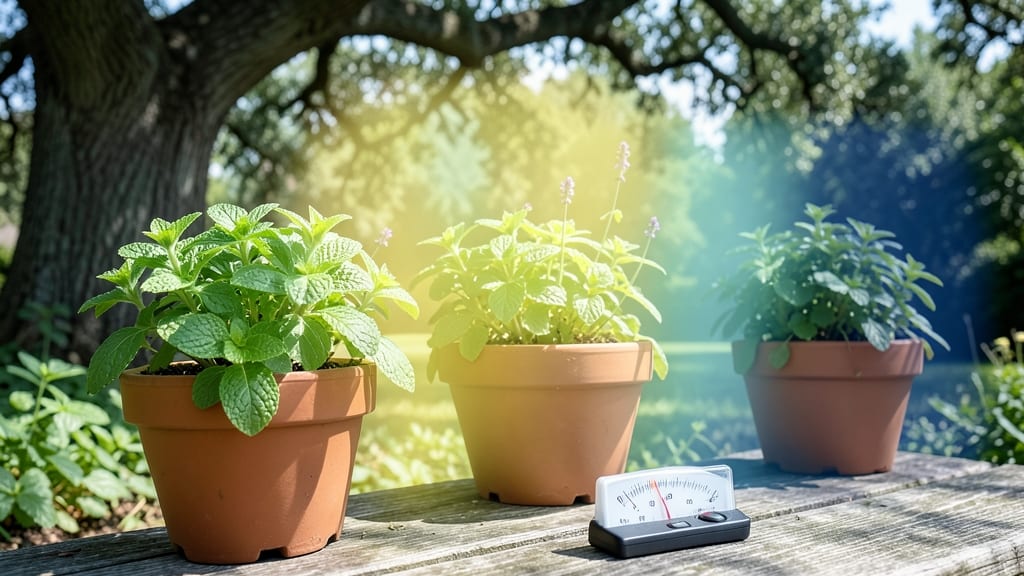
To grow vibrant, flavorful mint with strong stems and rich aroma, you need to get the lighting just right—because too much sun can scorch those delicate leaves while too little leaves you with weak, leggy plants.
Mint thrives in bright indirect light, making it perfect for gardeners who want lush herbs without the fuss of full sun exposure.
If you're wondering how much light your mint plant needs, the answer is simpler than you might think: aim for 4 to 6 hours of filtered sunlight daily.
This could mean placing your mint in a spot with morning sun and afternoon shade or using sheer curtains to diffuse harsh rays. For indoor growers, an east- or west-facing window is ideal, as it provides gentle light without overheating your plant.
But here's the catch: mint can handle a little less light than you'd expect, especially if you're prioritizing flavor over speedy growth. Too much direct sun, however, will turn those pretty green leaves yellow or crispy, and that’s a flavor disaster.
The key is balancing light exposure so your mint stays healthy, bushy, and packed with that signature punch.
Whether you're a beginner or a seasoned gardener, mastering mint’s light needs is the first step to harvesting fresh, aromatic leaves all season long. Let’s break down exactly how to set up your mint for success—indoors or out—so you can enjoy the best-tasting herbs without the guesswork.
 Best Window Placement
Ideal light requirements for mint plants: bright indirect sun explained
Mint thrives in bright indirect sunlight, making it perfect for gardeners with limited direct sun exposure. Unlike sun-loving herbs, mint grows best with 4-6 hours of filtered light daily.
This balance prevents leggy stems while maintaining its signature flavor. Too little light weakens growth, while too much risks scorching delicate leaves.
Think of mint’s ideal spot as morning sun with afternoon shade—like a dappled forest floor. East or west-facing windows are ideal for indoor containers, while outdoor mint prefers partial shade under trees or near fences. Evenings with gentle sunlight help mint recover from any midday intensity.
In hot climates, mint can tolerate morning sun only to avoid heat stress. If growing outdoors, place it where it receives dappled shade during peak hours (11 AM–3 PM). Mulching around the base also helps regulate soil temperature, mimicking natural shade conditions.
| Light Requirement | Specifics | Outdoor Placement | Indoor Placement |
|---|---|---|---|
| Daily Sunlight | 4-6 hours bright indirect | East/west exposure | East/west windows |
| Direct Sun Tolerance | Morning only (max 2-3 hours) | Partial shade near trees | 1-2 feet from window |
| Shade Tolerance | Full shade reduces flavor | North-facing spots | Grow lights required |
| Seasonal Adjustments | More shade in summer | Move to dappled areas | Use sheer curtains |
Seasonal shifts matter! Mint handles cooler spring/fall light better than intense summer rays. If your mint starts wilting in July, move it to a shadier spot immediately. Conversely, in winter, supplement with a grow light for 6-8 hours daily to prevent stretching.
Container growers have an advantage—they can rotate pots quarter-turns weekly to ensure even light exposure. This prevents one-sided growth and keeps stems sturdy. For ground-planted mint, avoid south-facing beds unless you provide afternoon shade with a lightweight shade cloth (30-50% coverage).
Mint’s flavor actually weakens in too much sun, becoming bitter and less aromatic. The sweetest mint grows in bright but diffused light, like under a 30% shade cloth or near a lattice screen.
Test your spot: if you can comfortably read a book outdoors without squinting, it’s perfect for mint.
Pro tip: Use a light meter app to measure foot-candles (ideal range: 1,000–3,000 fc). Most homes get 500–1,000 fc near windows—supplement with a 15W LED bulb if readings drop below 500 fc. For outdoor growers, late afternoon shade is critical to prevent leaf burn.
Mint’s roots are shallow, so reflective surfaces (like white walls or gravel) can boost light efficiency by up to 20%. Place containers on light-colored saucers or use a mirror behind pots to redirect sunlight. This trick works wonders for indoor gardens with limited windows.
Remember: Mint is a survivor—it’ll grow in low light but sacrifice flavor. For the best culinary-quality mint, prioritize bright indirect light and watch your plants reward you with vibrant, fragrant leaves year-round.
Ideal light requirements for mint plants: bright indirect sun explained
Mint thrives in bright indirect sunlight, which means it needs plenty of light without harsh direct rays. Think of it like a cozy reading nook—enough light to grow strong but not scorching hot.
This balance prevents leggy stems (from too little light) and burned leaves (from too much). For outdoor mint, 4-6 hours of morning sun followed by afternoon shade is ideal, especially in hot climates.
Indoor mint, however, often struggles with low light conditions, leading to weak growth. Place your mint pot near an east or west-facing window where it gets gentle morning or late afternoon light.
South-facing windows can work too, but filter the light with a sheer curtain to mimic bright indirect conditions. Avoid north-facing windows—they’re too dim for mint’s needs.
| Light Condition | Description | Best For |
|---|---|---|
| Bright Indirect Sun | 4-6 hours of filtered light (e.g., morning sun + shade) | Outdoor mint, east/west windows |
| Partial Shade | 2-4 hours of direct sun, rest shaded | Hot climates, indoor near windows |
| Low Light | Less than 2 hours of indirect light | Avoid—causes leggy, weak growth |
| Direct Sun | 6+ hours of unfiltered sun | Risk of leaf burn—use shade cloth |
Seasonal adjustments are key! In summer, mint may need extra shade to prevent leaf scorch, while winter light is often insufficient indoors. Rotate your mint pot quarter-turns weekly to ensure even light exposure and prevent lopsided growth.
If you notice stems stretching toward the light, it’s a clear sign your mint is light-hungry and needs a brighter spot.
For container growers, white or light-colored pots reflect more light, helping mimic natural conditions. If your mint starts looking pale or leggy, move it closer to the light source—but never into harsh afternoon sun, which can bleach the leaves.
A 50% shade cloth is a game-changer for outdoor mint in peak sun hours.
Pro tip: Harvest regularly to encourage bushier growth, which naturally shades the soil and keeps roots cooler. This trick works especially well for indoor mint in low-light conditions. The more you prune, the more your mint will focus on producing flavorful leaves instead of reaching for light.
Remember, mint is adaptable but not drought-tolerant. If you’re adjusting light exposure, keep soil consistently moist (but not soggy) to help the plant transition smoothly. With the right balance, your mint will reward you with lush, aromatic foliage all season long. 🌿