
Plants
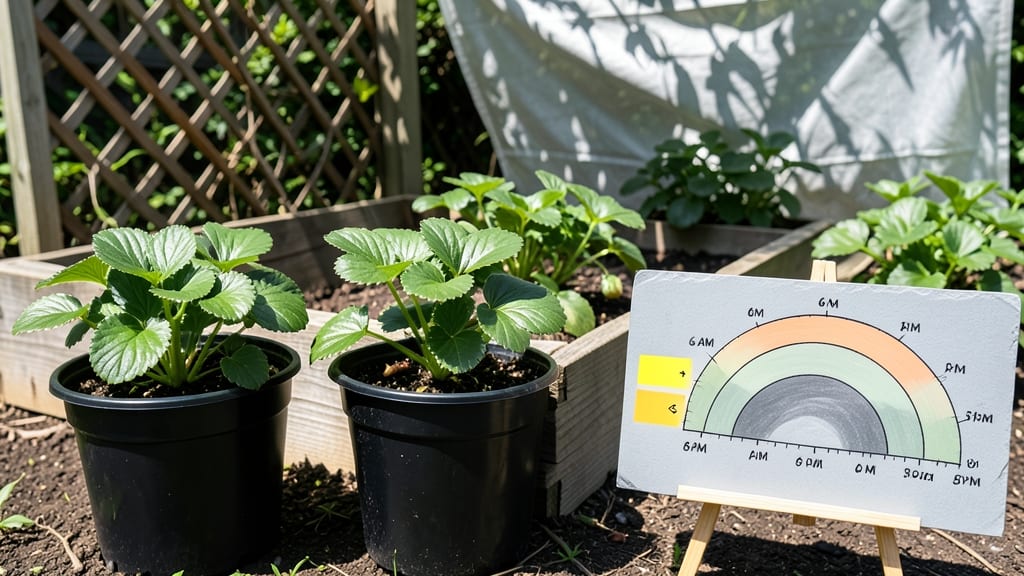
To grow the sweetest, juiciest strawberries 🍓, you might think they just need good soil and water—but how much light does a strawberry plant need is the real game-changer.
Without the right amount of sunlight, your plants will struggle to produce fruit, leaving you with bitter, underdeveloped berries instead of the harvest you dream of.
Most strawberry varieties thrive with 6 to 10 hours of direct sunlight per day, but getting this wrong can mean the difference between a thriving patch and a disappointing one.
Whether you're dealing with partial shade or scorching afternoon sun, understanding how much light your strawberries truly need is the first step to a bountiful harvest.
In this guide, I’ll break down the exact sunlight requirements for your strawberry plants, including how to adjust for shady spots or intense heat. You’ll also learn to spot the signs of too little—or too much—light, so you can fix problems before they affect your crop.
Ready to give your strawberries the perfect growing conditions? Let’s dive into the sunlight secrets that will transform your garden this season.
 Best Window Placement
Optimal sunlight hours for strawberry plants: the science behind 6-10 hours of direct sun
Strawberries thrive in full sun, but the exact sunlight hours they need depend on their variety and your climate. Most gardeners aim for 6-10 hours of direct sunlight daily, though everbearing and day-neutral varieties can tolerate slightly less.
This range ensures strong photosynthesis, which directly impacts fruit sweetness and yield. Without enough light, your plants will produce smaller, less flavorful berries—or none at all.
Sunlight triggers the chemical reactions that convert water and carbon dioxide into glucose, the energy strawberries use to grow. June-bearing varieties, which produce one massive harvest, demand the full 8-10 hours to ripen fruit efficiently.
Meanwhile, everbearing and day-neutral types can handle 6-8 hours but still reward you with continuous harvests if given more. Think of sunlight as the fuel for your strawberry plants’ entire lifecycle.
The angle of the sun also matters. In cooler climates, morning sun paired with afternoon shade can prevent heat stress, while hotter regions benefit from dappled sunlight in the peak afternoon hours.
For example, a strawberry patch in Zone 5 might get 6 hours of morning sun and 2 hours of filtered afternoon light, totaling 8 hours—perfect for June-bearing varieties. Adjusting for your local climate ensures your plants don’t overheat or struggle to photosynthesize.
Too little light leads to leggy, weak stems and small, pale leaves, while too much can cause sunburnt foliage and bitter-tasting berries. The key is balance: 6-10 hours of direct sunlight maximizes fruit production without risking damage.
If your garden only offers partial shade, don’t despair—there are ways to supplement natural light and still get a bountiful harvest.
| Variety | Ideal Sunlight Hours | Notes |
|---|---|---|
| June-bearing | 8-10 hours | Best for one-time harvest; needs full sun for sweetest fruit. |
| Everbearing | 6-8 hours | Produces fruit in spring and fall; tolerates partial shade. |
| Day-neutral | 6-10 hours | Continuous harvest; adapts well to varying light conditions. |
| All Varieties | Minimum 6 hours | Below this, fruit development slows significantly. |
Seasonal changes also affect how much light strawberries need. In summer, when the sun is highest, plants may need afternoon shade to prevent wilting, especially in hot climates like Zone 9 or 10.
Conversely, winter sunlight is weaker, so extending light exposure with reflective surfaces (like white mulch or mirrors) can boost growth during shorter days. For example, placing a white garden bed liner beneath your strawberries can reflect up to 30% more light onto the leaves, mimicking longer daylight hours.
If you’re growing strawberries in containers or raised beds, prioritize locations that receive unobstructed sunlight. South-facing windowsills or patios are ideal, but avoid north-facing spots, which often lack sufficient light. Even a 1-2 hour difference in sunlight exposure can reduce your yield by 30-50%.
For instance, a container on a north-facing balcony might only get 4 hours of indirect light, leading to sparse fruiting. Rotate containers weekly to ensure even light distribution across all plants.
Monitoring your strawberries’ light exposure is easier than you think. Use a sunlight tracker app or simply observe the shadows cast by nearby structures. If your plants are consistently in shadow for more than 2 hours per day, consider relocating them or pruning nearby trees/shrubs.
Even dappled shade from a tree can reduce sunlight by 50% or more, so choose shade solutions carefully. For example, a lattice trellis with climbing beans can provide partial shade while adding nitrogen to the soil.
One common mistake is assuming that bright, indirect light is enough for strawberries. While it’s better than deep shade, indirect light lacks the UVB rays needed for optimal photosynthesis. To test your garden’s light conditions, place a white piece of paper under the plants at noon.
If the paper stays cool to the touch, your strawberries are likely getting insufficient direct sunlight. Adjust their position or supplement with grow lights if needed.
For the best results, aim to give your strawberries consistent, direct sunlight throughout their growing season. Whether you’re a beginner or a seasoned gardener, understanding these light requirements will help you grow sweeter, juicier berries with minimal effort.
Next, we’ll explore how to adjust light conditions if your garden is naturally shady or overly sunny.
Optimal sunlight hours for strawberry plants: the science behind 6-10 hours of direct sun
Strawberries are sun-worshippers, and their light requirements directly impact fruit quality. Most varieties thrive with 6-10 hours of direct sunlight daily, though some adaptable types tolerate slightly less.
This range maximizes photosynthesis, which is critical for developing sweet, flavorful berries. Without enough light, your plants will produce smaller, tart fruit—or worse, no fruit at all.
The science behind strawberry sunlight needs lies in their energy conversion process. Sunlight fuels photosynthesis, where plants convert light into glucose for growth. Strawberries need this energy to produce both leaves and fruit.
When deprived of light, they prioritize leaf growth over fruiting, leading to leggy, weak plants with poor yields. Even 1-2 fewer hours of sun can reduce sugar content by up to 30%.
Climate plays a surprising role in strawberry light needs. In hot, dry regions, strawberries may need morning sun and afternoon shade to prevent leaf scorch. Conversely, in cooler northern climates, they can handle full sun year-round.
The key is monitoring leaf color: yellowing leaves signal insufficient light, while brown crispy edges mean too much. Adjust your garden layout accordingly—south-facing beds get the most consistent sunlight.
Seasonal adjustments are crucial too. During summer solstice, strawberries in full sun may need afternoon shade cloth to prevent heat stress. In winter, everbearing varieties can tolerate 4-5 hours of light, but June-bearing types will struggle.
Use this seasonal flexibility to your advantage: rotate containers or move plants to sunnier spots as the sun’s angle changes throughout the year.
Don’t overlook the quality of light—not just quantity. Strawberries prefer direct sunlight over dappled shade, which can lead to uneven ripening. If your garden has tall trees casting shade, consider pruning branches or planting strawberries near the eastern edge of your yard, where morning sun is gentler.
Even a few hours of direct sunlight can make a difference in fruit development.
For container gardeners, position pots on south-facing decks or balconies where they’ll receive 6+ hours of unobstructed sun. If your space is limited, opt for day-neutral varieties, which produce fruit even with slightly less light.
Remember, strawberries are light-hungry—they won’t thrive in shady corners or under dense foliage. Give them the sun they crave, and you’ll be rewarded with a bountiful, sweet harvest.