
Plants
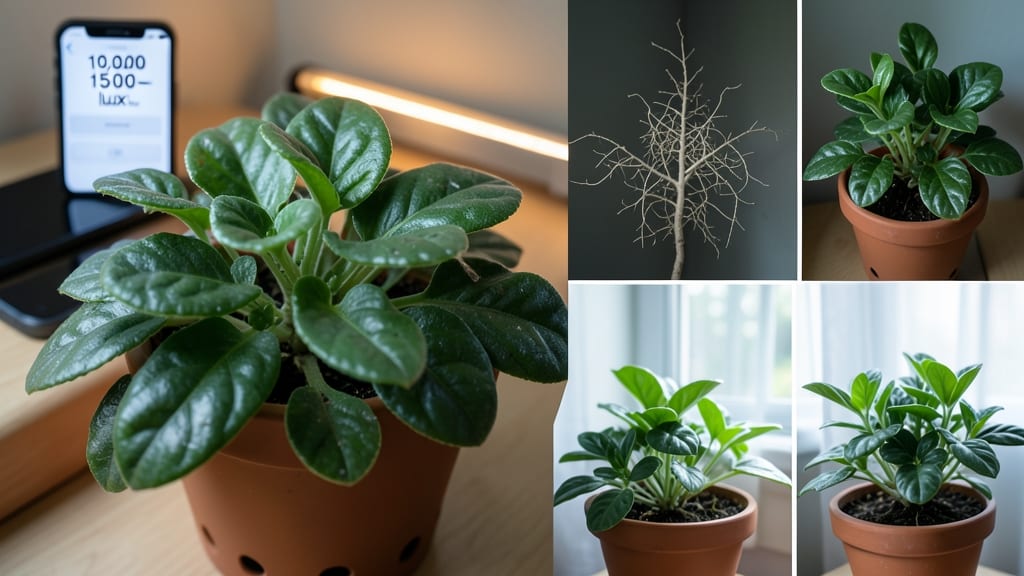
If your Hoya 🌿 is stretching toward the light like a sleepy cat reaching for the sun, you’re not alone—most beginners struggle with how much light does a hoya plant need.
The truth is, Hoyas are finicky about light, and getting it wrong can mean the difference between lush, waxy leaves and a sad, leggy mess.
Too little light, and your plant will grow tall and weak, searching desperately for rays. Too much direct sun, and those beautiful leaves will crisp up like toast.
The sweet spot? Bright indirect light—think of it as a cozy reading nook where sunlight filters through sheer curtains rather than blasting straight in.
I’ve spent years perfecting the light balance for my own Hoyas, and what I’m about to share will help you avoid common mistakes. Whether you’re dealing with a sun-starved plant in a dim corner or one getting scorched by afternoon rays, you’ll learn exactly how to adjust the light—without guessing.
From picking the perfect window to spotting early warning signs, this guide will turn your struggling Hoya 🌿 into a thriving, vibrant centerpiece. Let’s get started.
 Best Window Placement
Hoya plant light requirements: the ideal sunlight spectrum for different varieties
Hoya plants thrive in bright indirect light, but their exact needs vary by variety. Most Hoyas prefer 4-6 hours of filtered sunlight daily, though some can tolerate lower light conditions. Understanding these differences is key to preventing light burn or leggy growth.
Too little light causes Hoyas to stretch toward light sources, producing long, weak stems and small leaves. Conversely, too much direct sun—especially afternoon rays—leads to brown leaf tips or yellowing. The goal is to mimic their natural habitat under dappled forest sunlight.
Here’s how to match light levels to popular Hoya varieties:
| Variety | Ideal Light | Tolerance | Signs of Stress |
|---|---|---|---|
| Hoya carnosa | Bright indirect (4-6 hrs) | Low-light tolerant | Leggy stems, pale leaves |
| Hoya kerrii | Medium indirect (3-5 hrs) | Moderate shade tolerance | Brown leaf edges, slow growth |
| Hoya obovata | Bright indirect (5-6 hrs) | Needs more light than others | Yellowing leaves, no blooms |
| Hoya linearis | Partial shade (2-4 hrs) | Low-light specialist | Stunted growth, dark leaves |
For most Hoyas, east-facing windows provide perfect morning light without harsh afternoon sun. If your plant is near a south- or west-facing window, use a sheer curtain to diffuse intensity. Observe your plant’s leaves—deep green indicates ideal light, while purplish hues signal a need for more brightness.
Variegated Hoyas, like Hoya obovata 'Variegata', require even more light to maintain their striking patterns. Without enough light, the white or yellow variegation fades, leaving only green. Rotate your plant quarter-turns weekly to ensure even exposure and prevent lopsided growth.
Outdoor Hoyas in summer months need partial shade during peak sun hours (11 AM–3 PM). A 50% shade cloth or dappled sunlight under trees works best. In winter, supplement with a grow light if natural light drops below 4 hours daily.
Pro tip: Place your Hoya 2-3 feet from the window. Closer than that risks direct sunburn, while farther away may not provide enough brightness. Test your setup by checking for no visible leaf burn after 2 weeks—if edges stay crisp and green, you’ve nailed the balance.
Remember, Hoyas are succulents, so they store water in their leaves. This makes them drought-tolerant but also means they’re more sensitive to overwatering in low light. Always adjust watering based on light exposure—less water in bright light, more caution in dim conditions.
How to adjust light for your Hoya: practical tips to prevent burn and maximize growth
Adjusting light for your Hoya plant doesn’t have to be complicated. Start by placing your plant near an east-facing window, where it receives gentle morning sunlight without harsh afternoon rays. This mimics their natural habitat in tropical forests, where dappled light filters through the canopy.
If your space lacks natural light, a south-facing window with sheer curtains works too—just ensure the fabric diffuses sunlight rather than blocking it entirely.
For west-facing windows, use caution. Direct afternoon sun can scorch leaves, especially during summer months. Move your Hoya a few feet back from the window or add a light filter film to reduce intensity.
If your plant shows signs of stress, like crispy edges or faded leaves, it’s time to adjust its position immediately. Remember, Hoyas are adaptable, but gradual changes prevent shock.
Moving a Hoya from low light to bright sun overnight can cause leaf burn or yellowing. Acclimate your plant by placing it in a slightly sunnier spot for a few hours daily, then gradually increase exposure over 1-2 weeks.
This mimics natural seasonal changes and keeps your plant healthy.
If your home lacks sufficient natural light, grow lights are a lifesaver. Opt for a full-spectrum LED bulb (6,500K color temperature) and position it 6-12 inches above the plant. Provide 12-14 hours of light daily, but avoid leaving it on 24/7—Hoyas need darkness to rest.
Rotate the plant quarter-turns weekly to prevent lopsided growth toward the light source.
Seasonal adjustments are key. In summer, Hoyas may need more shade, especially in hot climates. In winter, supplement with grow lights if daylight hours drop below 6 hours.
Watch for stretched stems or pale leaves—these are red flags for insufficient light. Conversely, dark brown spots or crispy edges mean it’s getting too much sun.
Don’t overlook window treatments. Sheer curtains or blinds let you control light intensity effortlessly. For example, a north-facing window offers consistent, indirect light year-round, while a west-facing window may need adjustments during peak afternoon sun. Experiment to find the sweet spot where your Hoya thrives without stress.
Pro tip: Use a light meter app to measure foot-candles (ideal range: 1,000-2,000 ft-candles). This removes guesswork and helps you fine-tune your Hoya’s environment. With the right light, your plant will reward you with glossy leaves, vigorous vines, and even stunning flower clusters!