
Plants
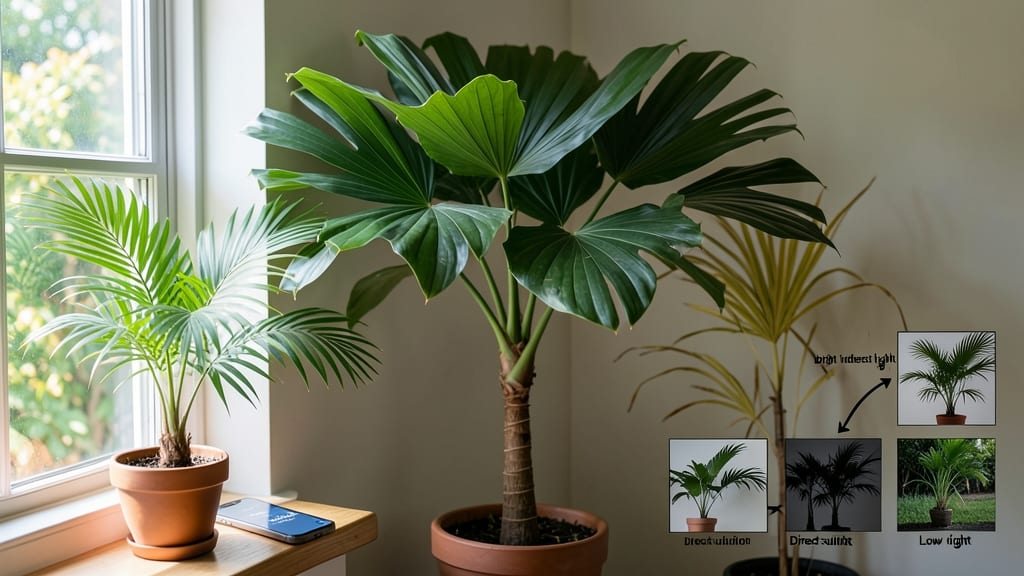
The ideal light spectrum for palm plants: bright indirect vs direct sun
Palm plants thrive under specific light conditions, but their needs vary dramatically depending on the species. Most palms crave bright indirect light, mimicking their native tropical or subtropical habitats.
However, some varieties like the Canary Island Date Palm can handle direct sun, while delicate types like the Kentia Palm prefer filtered light. Understanding these differences is key to preventing common issues like yellow fronds or slow growth.
Light intensity is often measured in lux, a unit that quantifies brightness. Ideal conditions for most palms fall between 1,000–3,000 lux. For comparison, a typical office has about 500 lux, while direct sunlight can reach 100,000 lux.
Positioning your palm near a south-facing window usually provides the perfect balance of natural light without harsh exposure.
Many gardeners mistakenly assume "bright indirect light" means dim corners of a room. In reality, it requires high light levels without direct rays. Think of it like the dappled sunlight filtering through trees in a forest—bright but diffused.
This is why east-facing windows often work better than west-facing ones, as they avoid the intense afternoon sun that can scorch leaves.
Artificial lighting can bridge gaps when natural light is insufficient. LED grow lights with a red and blue spectrum (around 640nm and 450nm) mimic sunlight and promote healthy growth. These lights are especially useful for indoor palms during winter months when daylight hours shrink.
A simple light meter (available for under $20) can help you gauge whether your space meets the 1,000–3,000 lux sweet spot.
Outdoor palms in hot climates often benefit from partial shade during peak afternoon hours (11 AM–3 PM). This prevents leaf burn while still allowing ample light absorption. If you notice brown patches on fronds, it’s a clear sign of too much direct sun.
Conversely, if new fronds emerge pale and leggy, your palm is begging for more light.
Regional climate plays a huge role in light requirements. In USDA Zone 10 or warmer, palms can thrive outdoors year-round with minimal adjustments. But in cooler zones like Zone 6a, outdoor palms may need winter protection or relocation to a sunroom.
Always observe your palm’s response—healthy growth means you’re on the right track!
| Palm Variety | Ideal Light | Lux Range | Notes |
|---|---|---|---|
| Areca Palm | Bright Indirect | 1,500–2,500 | Tropical; avoid direct sun |
| Kentia Palm | Low to Medium Indirect | 1,000–1,800 | Delicate; thrives in shade |
| Majesty Palm | Bright Indirect to Partial Sun | 2,000–3,000 | Drought-tolerant; adaptable |
| Parlor Palm | Low to Medium Indirect | 800–1,500 | Best for low-light homes |
| Canary Island Date Palm | Full Sun | 5,000–10,000 | Outdoor only; heat-loving |
If you’re unsure whether your palm is getting enough light, try this simple test: Hold a white piece of paper near the plant’s fronds. If you can’t easily read text on it, the light is likely insufficient.
For indoor palms, rotating the pot quarter-turns every 2–3 weeks ensures even growth and prevents lopsided development. This mimics natural sunlight patterns and keeps your palm looking full and healthy.
Seasonal changes also demand adjustments. During winter months, shorter daylight hours mean
The ideal light spectrum for palm plants: bright indirect vs direct sun
Not all palm plants thrive under the same light conditions—some crave bright indirect light, while others bask in direct sunlight. The key lies in understanding your palm’s native habitat.
Tropical palms like the Areca Palm mimic the dappled light of their rainforest homes, while desert palms such as the Canary Island Palm love full sun exposure. Even a 30-minute difference in sunlight can mean the difference between lush fronds and crispy brown tips.
Most palms need 1,000–3,000 lux of light daily, but measuring natural light can be tricky. A light meter app on your phone or a simple shadow test—trace your plant’s shadow at noon—helps gauge intensity.
For indoor palms, aim for a spot within 3–6 feet of a south-facing window**—this balances brightness without scorching. Artificial light can supplement, but LED grow lights with a red-blue spectrum work best for filling gaps.
🌱 Palm Light Requirements Summary
| Palm Type | Ideal Light | Lux Range | Best Placement |
|---|---|---|---|
| Areca Palm | Bright Indirect | 1,500–2,500 lux | East/west window, 5+ ft away |
| Kentia Palm | Low to Medium Indirect | 500–1,500 lux | North window or fluorescent light |
| Majesty Palm | Full Sun to Partial Shade | 3,000–5,000 lux | Outdoor patio or south window |
| Parlor Palm | Low Light Tolerant | 200–1,000 lux | Hallway or office corner |
*Lux = measure of light intensity; adjust based on seasonal sun shifts.
One common myth is that all palms need full sun. In reality, tropical palms suffer in harsh afternoon rays, while desert palms thrive with 6+ hours of direct sun. Rotate your palm quarter-turns weekly to ensure even growth—uneven light causes fronds to lean toward the source.
For indoor setups, south-facing windows are ideal, but east windows work for palms like the Bamboo Palm, which prefer morning light.
Seasonal adjustments are critical. During winter months, when sunlight weakens, supplement with a 12-hour grow light cycle—this mimics longer days and prevents slow growth or yellowing.
In summer, move shade-loving palms away from west-facing windows—the intense late-afternoon sun can scorch fronds in hours. A sheer curtain filters light while maintaining brightness.
Outdoor palms? Morning sun + afternoon shade is the gold standard. If your palm is in a container, ensure the pot’s diameter is 2x the plant’s height—this stabilizes roots and prevents light stress from overheating.
Mulch the soil with organic matter—it retains moisture and regulates temperature, reducing light-related stress.
Pro tip: Observe your palm’s fronds. Healthy fronds are upright with vibrant green undersides. If you notice yellowing along the edges, it’s often a light deficiency or overwatering. Brown, crispy tips? Direct sunburn—move it to indirect light immediately.
With the right light balance, your palm will reward you with new fronds every 2–4 weeks—a sure sign of thriving growth! 🌴