
Plants
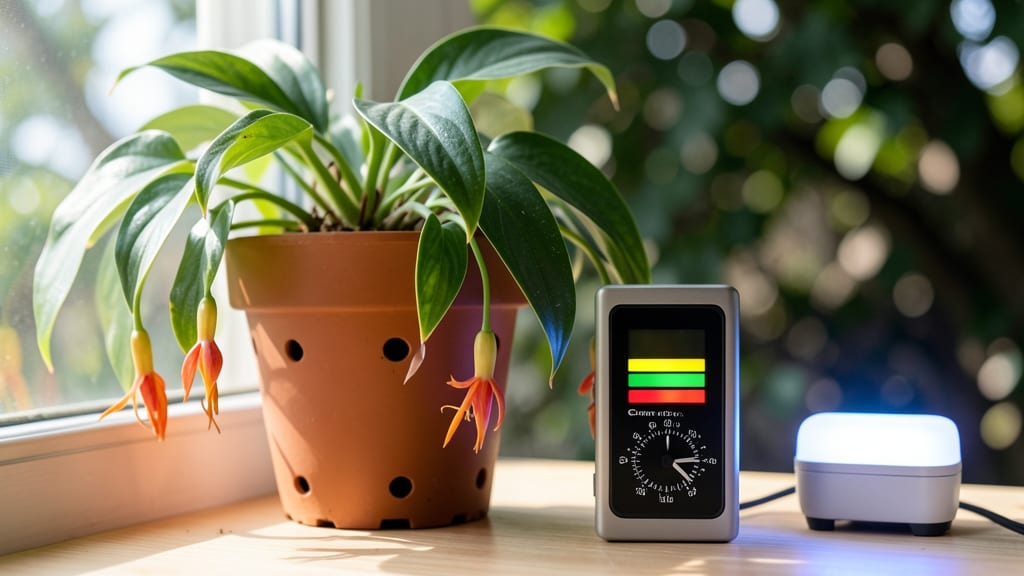
Want to know how much light does a Goldfish Plant need to thrive without turning into a crispy leaf disaster? The answer lies in getting its light just right—too little and it stretches awkwardly, too much and you’ll end up with sunburned spots.
This striking houseplant loves bright indirect light, but it’s surprisingly sensitive to harsh rays. Unlike sun-worshippers, your Goldfish Plant prefers a gentle glow—think morning sun or filtered afternoon light. I’ve seen firsthand how the wrong placement can turn vibrant foliage into sad, bleached-out leaves.
In this guide, I’ll break down exactly how much light your Goldfish Plant needs—whether you’re dealing with a dim corner or a south-facing window. You’ll learn how to spot the signs of over- or underlighting and adjust your setup in 3 simple steps.
Ready to give your plant the perfect lighting conditions? Let’s dive into the details so you can keep those gorgeous goldfish-patterned leaves looking their best year-round.
 Best Window Placement
Ideal light requirements for Goldfish Plants: low to medium brightness explained
The Goldfish Plant (Columnea microphylla) thrives in bright indirect light, making it perfect for east or north-facing windows. Unlike sun-loving plants, it avoids harsh rays that cause leaf burn.
Think of it as a shade-loving tropical—it mimics its natural understory habitat. Too little light leads to leggy growth, while too much causes brown patches or crispy edges.
This plant prefers 4-6 hours of filtered sunlight daily, similar to the dappled light of a forest floor. If your home has low natural light, supplement with a grow light for 6-8 hours.
Avoid placing it in dark corners or near south-facing windows without a sheer curtain to diffuse the intensity.
🌱 Key Light Requirements:
- Bright indirect light (40% of full sun)
- East or north windows (best exposure)
- No direct midday sun (especially in summer)
- Artificial light for low-light spaces (LED grow lights work best)
Seasonal adjustments are crucial. In winter, when sunlight is weaker, move your plant closer to the window. In summer, if leaves start looking pale or crispy, filter the light with a sheer curtain or shift the plant a few feet back.
Watch for signs of underlighting: elongated stems, sparse leaves, or pale foliage. These indicate your plant is stretching toward light. Overlighting shows up as brown patches, curled leaves, or a bleached appearance. Both extremes stress the plant, so finding the sweet spot is key.
Goldfish Plants also respond well to natural light spectrums. They prefer the blue and red wavelengths found in indirect sunlight, which promote healthy growth. If using grow lights, opt for full-spectrum LEDs to mimic natural conditions.
Avoid incandescent bulbs, as they emit too much heat and can scorch leaves.
Here’s how to test your plant’s light conditions at home:
- Place a white piece of paper near the plant for a few hours.
- If the paper stays white, the light is too harsh.
- If it turns yellow or brown, the light is safe for your Goldfish Plant.
For outdoor growers, Goldfish Plants can tolerate partial shade outdoors but should never face direct afternoon sun. A morning sun spot with afternoon shade is ideal. If growing in a container garden, move it under a tree canopy or use a shade cloth during peak sun hours.
Pro tip: Rotate your plant quarter-turns every 2-3 weeks to ensure even light exposure on all sides. This prevents lopsided growth and keeps the foliage lush and symmetrical.
If you’re unsure about your space’s light levels, use a light meter app (like Light Meter Pro) to measure foot-candles. Aim for 500-1,000 foot-candles—any lower, and your plant will stretch; higher, and it risks burn.
Now that you understand the ideal light conditions, let’s explore how to adjust your Goldfish Plant’s exposure for the best growth results.
With this light guide, you’re ready to create the perfect environment for your Goldfish Plant. Next, we’ll cover how to adjust light exposure if your plant isn’t thriving—whether it’s too leggy or showing burn signs.
Ideal light requirements for Goldfish Plants: low to medium brightness explained
Goldfish Plants (Columnea microphylla) thrive in bright indirect light, but their tolerance range is narrower than many houseplants. Too little light causes leggy growth and pale leaves, while direct sun burns their delicate foliage.
The key is mimicking dappled forest light—bright but filtered through sheer curtains or a sheer screen.
For optimal growth, position your Goldfish Plant 2-3 feet from an east or north-facing window, where morning sun is gentle. South-facing windows require sheer curtains to diffuse harsh afternoon rays, while west-facing windows may need partial shade during peak sun hours (12 PM–4 PM).
Here’s how to recognize light issues: Yellowing leaves signal too much direct sun, while stretched stems and dull foliage mean insufficient light. Even brown tips can result from fluctuating light conditions, like moving the plant between dark and bright spots.
🌱 Goldfish Plant Light Requirements Summary
| Light Type | Ideal Conditions | Signs of Stress |
|---|---|---|
| Bright Indirect | East/west window, 4-6 hours daily | Healthy growth, vibrant leaves |
| Low Light | North window or artificial grow light | Leggy stems, pale leaves |
| Direct Sun | South/west window without filter | Brown spots, crispy edges |
💡 Pro Tip: Rotate your plant weekly for even growth—Goldfish Plants lean toward light sources!
If natural light is limited, supplement with a grow light (LED or fluorescent) placed 6-12 inches above the plant for 12-14 hours daily. Avoid incandescent bulbs—they emit too much heat.
For seasonal adjustments, move your plant closer to a window in winter when daylight is shorter, but further away in summer to prevent overheating.
Monitor your Goldfish Plant’s response to light by observing its leaf color and growth rate. Aim for deep green, glossy leaves with compact stems—this confirms you’ve hit the sweet spot. Adjust gradually to avoid shocking the plant, especially if it’s been in low light for months.
🌿 For extra peace of mind, use a light meter app (like "Light Meter" for iOS) to track 1,000–2,000 lux—the ideal range for Goldfish Plants. This removes guesswork and ensures consistent conditions year-round.