
Plants
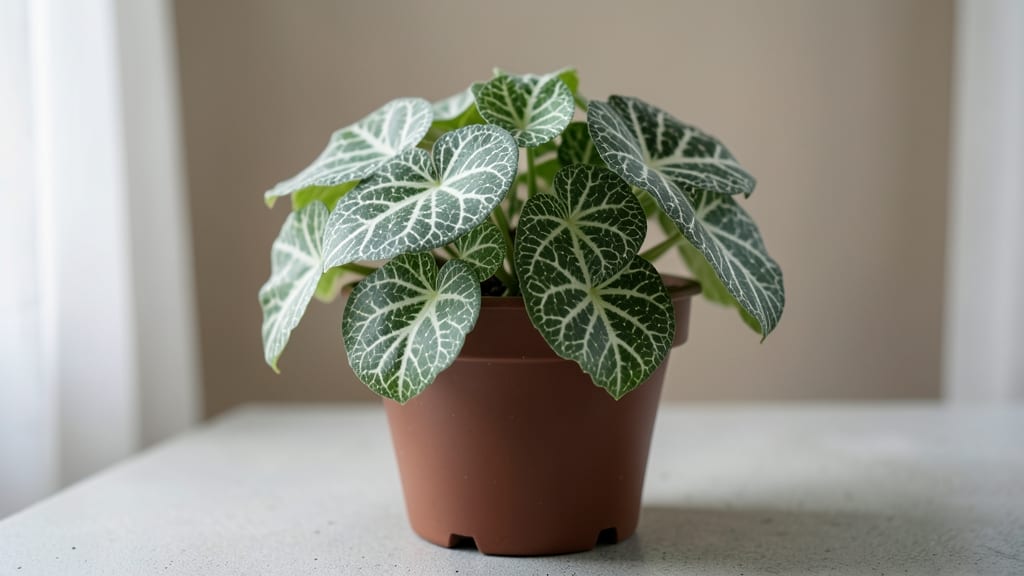
Wondering how much light your Nerve Plant 🌿 needs to thrive? The answer isn’t as simple as "more is better"—this tropical beauty actually thrives in bright, indirect sunlight that mimics its natural understory habitat.
Too little light, and those stunning variegated leaves lose their vibrancy, turning dull and green. Too much direct sun, and you’ll see crispy edges or bleached patches. The sweet spot? Placing it near an east-facing window where it gets 4-6 hours of gentle, filtered light daily.
I’ve learned the hard way that even small adjustments—like rotating your plant occasionally—can make a huge difference in keeping those delicate leaves lush and colorful. Let me show you exactly how to create the perfect lighting conditions, whether you’re dealing with low-light challenges or avoiding harsh afternoon rays.
From identifying the right spot in your home to troubleshooting common light-related issues, you’ll discover simple tricks to keep your Nerve Plant looking its absolute best year-round. Ready to unlock its full potential?
 Best Window Placement
Ideal light requirements for nerve plant variegation: bright, indirect sunlight explained
Your nerve plant (Fittonia) thrives on bright, indirect sunlight, mimicking its tropical rainforest habitat. This delicate beauty needs 4,000-6,000 lux of light daily to maintain its signature pink or white veining—any less and those stunning patterns fade to dull green.
Position it 3-6 feet from an east or west-facing window where morning sun gently filters through.
Direct midday sunlight can scorch those delicate leaves, turning them crispy at the edges. Think of it like dappled forest light—soft but abundant. South-facing windows work only if you place your plant at least 6 feet away to diffuse harsh rays.
North-facing windows? Too dim—supplement with a grow light for 12-14 hours daily.
Here’s how to test if your nerve plant has the perfect light: Hold it up to a brightly lit area—if you can read a book comfortably nearby, the light is ideal.
Watch for upright, compact growth with vibrant veins. If stems stretch toward the light like they’re reaching for a handshake, it’s begging for more brightness.
Seasonal adjustments matter too. In winter’s low-light months, move your plant closer to the window or add a 10-watt LED grow bulb nearby. During summer’s intense sun, use a sheer curtain to filter light while maintaining humidity.
The goal? Keep those leaves lush and variegated, not sunburned or sad.
| Light Requirement | Specifics |
|---|---|
| Intensity | 4,000-6,000 lux (bright indirect) |
| Best Window | East or west-facing, 3-6 feet away |
| Direct Sun Tolerance | Morning sun only; avoid afternoon rays |
| Grow Light Needs | 10-15W LED, 12-14 hours/day in low light |
| Seasonal Adjustments | Winter: Move closer to window Summer: Use sheer curtain for diffusion |
Pro tip: Rotate your nerve plant every 2 weeks so all sides get even light exposure. This prevents lopsided growth and ensures those showstopping veins stay vibrant on every leaf. A simple quarter-turn keeps your plant balanced and thriving year-round.
Watch for new growth as your best indicator of success. Healthy leaves should emerge compact and colorful, not stretched or pale. If you see deep pink or white veins popping against green, you’ve nailed the light balance. That’s the nerve plant glow-up you’re aiming for!
Remember, humidity matters too—keep it above 50% to prevent leaf crispiness from dry air. Pair your ideal light spot with a pebble tray or humidifier, and you’ve got the perfect tropical setup.
Your nerve plant will reward you with lush, vibrant foliage that turns every room into a mini rainforest.
🌿
Ideal light requirements for nerve plant variegation: bright, indirect sunlight explained
Your nerve plant (Fittonia) thrives under bright indirect light, which mimics its natural tropical understory habitat. This means placing it near an east-facing window where it receives gentle morning sun without harsh afternoon rays.
The ideal light intensity falls between 4000-6000 lux, creating vibrant variegation that makes this plant truly stunning.
Position your plant 3-6 feet from windows to balance light exposure. South-facing windows work too, but use sheer curtains to diffuse the light and prevent leaf burn. North-facing windows provide softer light but may not be sufficient for maintaining the plant’s signature pink or white vein patterns.
Visual cues help determine if your nerve plant is getting the right light. Healthy leaves display crisp, contrasting colors with bright pink or white veins on green foliage. If the veins appear dull or grayish, it’s a sign of insufficient light.
Nerve Plant Light Requirements Summary
🌱| Requirement | Specification |
|---|---|
| Light Type | Bright Indirect Light |
| Intensity | 4000-6000 lux |
| Best Window | East or South (with filter) |
| Distance from Window | 3-6 feet |
| Leaf Health Indicator | Vibrant vein contrast |
For seasonal adjustments, move your nerve plant closer to the window during winter when daylight is shorter. In summer, increase the distance slightly to prevent leaf scorch from intense midday sun. A simple trick is to rotate the pot quarter-turn weekly to ensure even light exposure on all sides.
If you notice stretched stems or pale leaves, your plant is reaching for more light. Conversely, crispy edges or bleached patches indicate too much direct sun. Both extremes can dull the plant’s natural beauty, so finding the right balance is key to maintaining its show-stopping appearance.
Pro tip: Place your nerve plant near other low-light tropicals like pothos or peace lilies to create a microclimate with consistent humidity—a perfect complement to its light needs.