
Plants
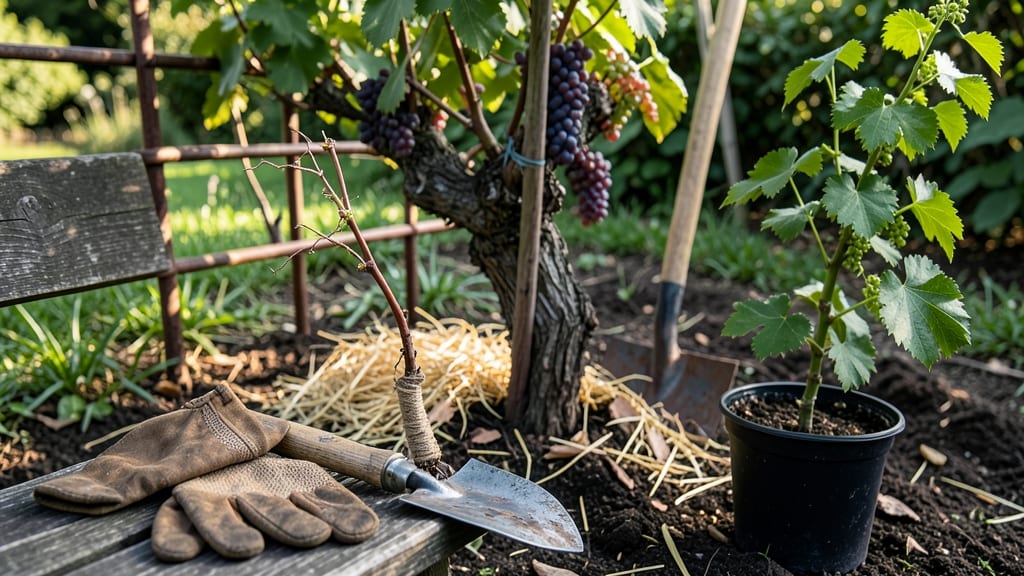
Planting grapes in Arizona’s scorching climate isn’t just about timing—it’s about matching your variety to the state’s unique chill-hour requirements for a thriving harvest.
With 300+ frost-free days and intense sun, AZ offers perfect conditions for 🍇 grape vines, but getting the timing right ensures your vines grow strong and fruit reliably.
Most Arizona gardeners plant during the dormant season—December through February—when cooler temperatures reduce stress on young roots. This window works for both low-desert areas like Phoenix and higher elevations near Flagstaff, where chill hours (the cold exposure grapes need) vary dramatically.
If you’re growing varieties like Flame Seedless or Cabernet Sauvignon, you’ll need to account for their chill-hour needs—some thrive with as little as 200 hours, while others require up to 500 hours.
I’ll break down the best months for your specific zone and how to prep your soil for success.
Ready to turn your backyard into a vineyard? Let’s dive into the exact steps to plant grapes in AZ, from soil prep to watering strategies that beat the desert heat—so you can enjoy a bountiful harvest from June to October.
Best grapes for Arizona’s low-chill climate: varieties and chill-hour requirements
Arizona’s low-chill climate (typically 0-300 chill hours) demands grape varieties that thrive with minimal winter dormancy. Traditional wine grapes like Cabernet Sauvignon (which need 500+ chill hours) struggle here—so focus on heat-tolerant, low-chill varieties that produce reliable harvests despite the desert heat.
For Phoenix and Tucson, where winter temps rarely drop below freezing, prioritize varieties like Flame Seedless (200 chill hours) or Thompson Seedless (150 chill hours). In Yuma’s extreme heat (USDA Zone 10a), even Muscadine grapes (0-100 chill hours) excel, offering drought resistance and sweet fruit.
Here’s how chill hours translate to Arizona’s regions:
| Variety | Chill Hours | Best AZ Region | Notes |
|---|---|---|---|
| Flame Seedless | 200 | Phoenix, Tucson | Drought-resistant, red-skinned table grape |
| Thompson Seedless | 150 | Statewide | Classic raisin grape; thrives in heat |
| Muscadine (e.g., 'Scuppernong') | 0-100 | Yuma, High Desert | Thick-skinned, disease-resistant, sweet |
| Tempranillo | 300 | Higher elevations (Flagstaff) | Wine grape; needs cooler nights |
| Black Corinth | 100 | Phoenix, Tucson | Tiny, sweet grapes; great for snacking |
Avoid high-chill varieties like Chardonnay or Pinot Noir unless you’re in Flagstaff’s cooler microclimates (USDA Zone 7b). Even then, consider rootstock grafting to improve cold tolerance—many nurseries offer own-rooted low-chill varieties pre-adapted to Arizona.
For container gardening in urban areas, dwarf varieties like ‘Autumn Royal’ (150 chill hours) fit well in 15-gallon pots with trellis support. Just ensure pots have drainage holes and use lightweight potting mix to prevent overheating.
Pro tip: If you’re experimenting with wine grapes, Tempranillo is your best bet—it handles Arizona’s hot days and cool nights better than most, producing bold flavors without needing excessive chill hours.
Always check your local USDA Zone (Arizona ranges from 7b to 11b) and microclimate—even within Phoenix, elevational differences of 500 feet can shift chill hours by 50+ hours. Use a chill-hour calculator to match varieties to your exact location.
🍇
Optimal planting months in Arizona: soil temperature, rainfall, and heat zones
Arizona’s desert climate creates a narrow window for planting grapes—typically December through February—when cooler temperatures and dormant vines make transplantation stress-free. Unlike northern climates, you’re not battling frost; instead, you’re racing against the spring heat that can shock newly planted vines.
The key is planting when soil temperatures stay below 60°F (15°C), which usually aligns with USDA Zones 8-11. In Phoenix, aim for mid-November to January, while Tucson’s higher elevations may extend planting into early February.
Yuma’s extreme heat means planting by late December to avoid early spring’s intense sun.
🌱
📅 Arizona Grape Planting Timeline by Month
- 📍 November (Low Desert): Plant bare-root vines in Phoenix/Tucson. Soil temps drop below 65°F (18°C).
- 📍 December (Statewide): Ideal window for all regions. Cooler nights (40-50°F/4-10°C) reduce transplant shock.
- 📍 January (High Desert): Last chance in Flagstaff/Sedona. Avoid if soil temps rise above 60°F (15°C).
- 📍 February (Urgent): Only for container-grown grapes in urban areas. Risk of heat stress increases.
Rainfall is rarely a concern in Arizona, but irrigation planning is critical. Newly planted vines need consistent moisture for the first 6-8 weeks. Use drip irrigation to deliver 1-2 gallons per vine weekly, avoiding overhead watering that can spread fungal diseases in the humid monsoon season.
Spring frost is rare but possible in high-desert areas (Flagstaff, Prescott). If planting in late winter, monitor forecasts and protect young vines with frost cloth if temperatures dip below 28°F (-2°C).
Most low-desert regions (Phoenix, Yuma) face no frost risk, making January the safest month for heat-sensitive varieties like Cabernet Sauvignon.
For container gardening in urban AZ, extend your window to March using 50-gallon pots with well-draining mix. Place containers in full sun and water every 3-5 days during summer. Just remember: heat stress is your biggest enemy—shade cloth (30% coverage) can help during 100°F+ days.
💧