
Plants
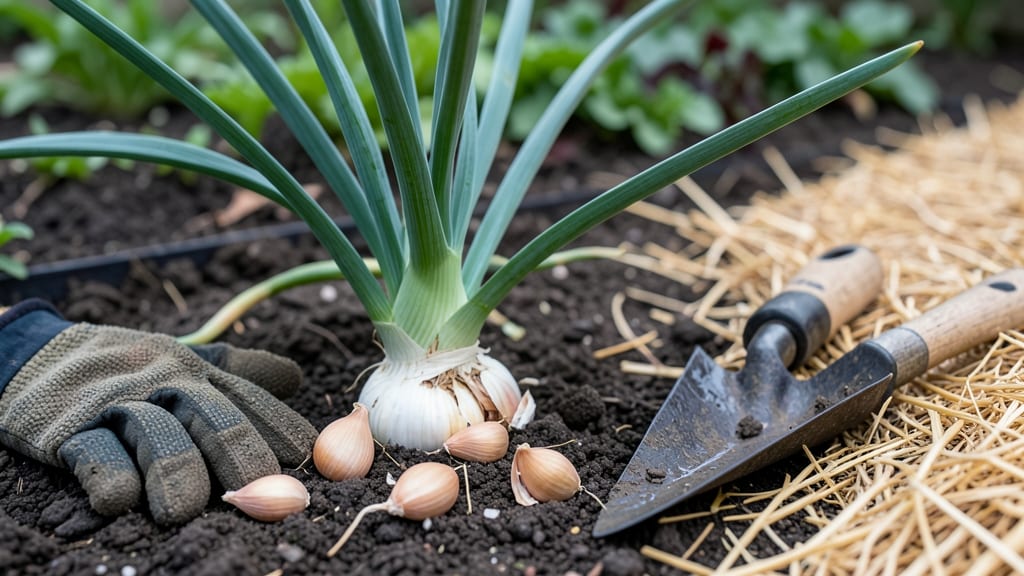
Planting garlic in South Florida isn’t just about timing—it’s about outsmarting the heat and humidity to grow bold, flavorful bulbs that don’t bolt before harvest.
The key to success lies in understanding when to put those cloves in the ground, because unlike colder climates, South Florida’s 10a-11 zone demands a different approach.
Most gardeners assume garlic thrives in cool weather, but here, the real window opens in October-November or January-February—just as the summer heat starts to ease. This isn’t just a guess; it’s based on how garlic responds to Florida’s long growing season and 365 frost-free days.
Plant too early, and the heat will stress your 🧄 before they even sprout.
What sets South Florida apart is the lack of frost, which means no traditional "winter" dormancy. Instead, garlic grows year-round if managed right. The trick? Balancing moisture, shade, and soil prep to prevent rot and bolting. I’ll show you exactly how to adapt these strategies for your microclimate.
Skip the trial-and-error—let’s dive into the climate-proof schedule that’ll give you plump, pungent bulbs ready for harvest between March and May. Whether you’re a first-time grower or a seasoned gardener, these tips will make all the difference.
South Florida garlic planting calendar: best months by climate Zone
South Florida’s microclimates (USDA Zones 10A-11) create unique challenges for garlic growers. Unlike northern climates, we don’t rely on frost cycles—heat and humidity become our biggest hurdles. The key? Planting during cooler transitional months when temperatures dip below 80°F but stay above 60°F.
Most gardeners in South Florida focus on two planting windows: fall (October-November) and early winter (January-February). Each offers distinct advantages depending on your local microclimate.
For example, Miami’s coastal areas (Zone 11) may extend fall plantings into December, while Lake Okeechobee’s inland regions (Zone 10A) benefit from January plantings to avoid summer heat stress.
Here’s how to match your planting schedule to South Florida’s three dominant microclimates—coastal, inland, and elevated areas like the Everglades:
| Microclimate | Best Planting Window | Avoid Planting | Harvest Window | Key Consideration |
|---|---|---|---|---|
| Coastal (Zone 11) | Oct 15–Nov 30 | May–Sept | Mar–Apr | Higher humidity; use raised beds for drainage |
| Inland (Zone 10A) | Jan 1–Feb 15 | Jun–Aug | Apr–May | Warmer nights; mulch heavily to retain moisture |
| Elevated (Everglades, Zone 10B) | Sep 15–Oct 30 or Dec 1–Jan 15 | Feb–Apr | Mar–Apr | Drier air; water deeply 2x/week in summer |
Timing isn’t just about months—it’s about temperature triggers. Garlic bulbs need 60–70°F days and 50–60°F nights to develop properly. In South Florida, this typically means planting when average highs drop below 85°F.
Use your local Cooperative Extension Service data for precise local trends—Miami-Dade and Palm Beach often have 1–2 weeks later windows than Hendry or Collier counties.
Spring plantings (March–April) are risky in South Florida because garlic bolts (sends up a flower stalk) when days get too long. By late February, daylight hours exceed 11.5 hours, triggering bolting.
If you’re set on spring garlic, opt for bolting-resistant varieties like ‘Silverskin’ or ‘Artichoke’ and plant before February 15 for smaller but usable bulbs.
Pro tip: Use a soil thermometer to confirm planting readiness. Aim for 65–75°F soil temps at 4-inch depth. In coastal areas, this often aligns with late October, while inland regions may wait until mid-November.
Avoid planting when soil temps exceed 80°F—this stresses cloves and invites fungal diseases like white rot.
South Florida’s lack of frost means we can’t rely on cold to signal harvest time. Instead, watch for lower leaves turning brown (usually March–May) and bulbs feeling firm when squeezed. If left too long, bulbs split open—a common mistake in our humid climate.
Cure harvested garlic in a shady, dry spot (like a garage with airflow) for 2–3 weeks to extend shelf life.
Remember: Soil prep matters more than ever in South Florida. Amend heavy clay soils with compost and sand to improve drainage, and always plant on mounds or raised beds to prevent waterlogging. With the right timing, you’ll beat the heat and harvest bold, pungent bulbs year-round.
How to choose and prepare garlic cloves for South Florida’s humidity
South Florida’s humid subtropical climate means garlic cloves need special attention to avoid rot and bolting. Start by selecting the right variety—softneck garlic thrives here better than hardneck due to its heat tolerance.
Look for plump, firm cloves with intact skins, as damaged ones invite disease in our damp air.
Before planting, cure your cloves for 24 hours in a dry, shaded spot. This hardens the skin, reducing rot risk. Store them in a mesh bag (not plastic!) to allow airflow—critical in Florida’s 90%+ humidity months. Avoid refrigeration, which can make cloves soggy and prone to mold.
Soil prep is non-negotiable. South Florida’s sandy soils drain too fast, while clay holds too much moisture. Amend with 2-3 inches of compost and 1 inch of perlite to create a well-draining mix. Test your soil’s pH (6.0-7.0 ideal)—garlic hates acidity, and our calcareous soils often skew alkaline.
Choose large, unbroken cloves from softneck varieties like Silverskin or Artichoke—they handle heat better.
Air-dry cloves for 24 hours in shade to toughen skins and prevent rot.
Mix compost + perlite (1:1 ratio) to improve drainage in heavy or sandy soils.
Plant 2 inches deep, 4-6 inches apart—deeper in sandy areas to retain moisture.
Apply 2-inch straw mulch to block fungal spores and retain moisture.
Timing your planting window matters just as much as prep. In South Florida, October-November (fall) or January-February (early winter) gives garlic enough cool weather to bulk up before summer heat arrives. Avoid spring planting—garlic bolts (prematurely flowers) when temps hit 80°F+, ruining your harvest.
Pro tip: Use shade cloth (30-50%) if planting in summer’s edge months (September or March). This mimics cooler conditions and delays bolting. Pair garlic with onions or thyme to deter pests like thrips, a common Florida garlic nuisance.
Finally, water deeply but infrequently—garlic hates soggy feet. Aim for 1 inch per week, delivered in the morning to let foliage dry before humidity peaks. With these steps, your South Florida garlic will thrive, not just survive.