
Plants
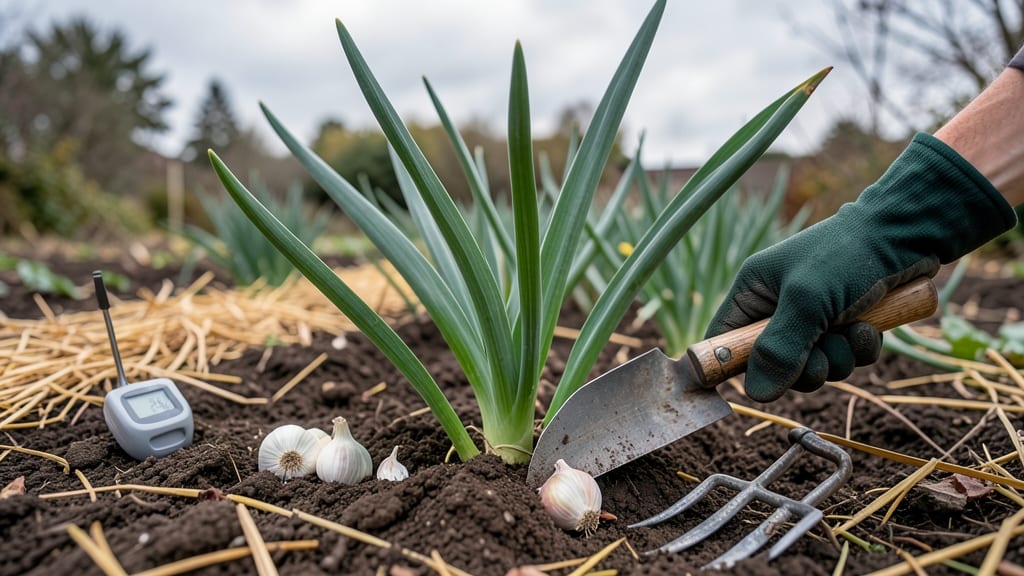
Planting garlic in South Dakota isn’t just about timing—it’s about outsmarting the weather to grow bulbs that rival anything from a California farm. The key?
Getting those cloves into the ground 4-6 weeks before frost, when soil temps hover around 40°F—not too early (they’ll rot) and not too late (they’ll bolt).
I’ve learned the hard way that South Dakota’s USDA zones 4a-5b demand precision: mid-to-late fall (October-November) is your sweet spot, but high-altitude areas like the Black Hills need adjustments. Skip the spring rush—garlic planted then often flops under our short growing season.
What sets successful gardeners apart? They don’t guess—they test soil temps, watch frost forecasts, and mulch strategically to protect their 🧄 from winter’s whims. Ready to turn your plot into a garlic powerhouse? Let’s break down the exact steps that’ll have you harvesting plump bulbs by July.
From choosing the right variety to adjusting for sandy prairie soils, I’ll share the tricks that’ve worked for me (and the mistakes that taught me lessons). No more shriveled cloves—just bold, flavorful harvests that make your neighbors ask, “Where’d you get those?”
Best planting months for hardneck garlic in South Dakota’s climate zones
South Dakota’s USDA zones 4a-5b create unique challenges for garlic growers, where timing can mean the difference between a bountiful harvest and a failed crop. Unlike warmer climates, hardneck garlic thrives when planted in fall—but the exact window varies by elevation and microclimate.
In the Black Hills (Zone 4a), you’ll need to plant earlier than in Sioux Falls (Zone 5b), where winters are milder.
For most of South Dakota, the ideal planting window falls between mid-October and mid-November. This gives garlic cloves time to develop roots before the ground freezes, ensuring strong growth when spring arrives.
However, gardeners in high-altitude areas (above 3,000 feet) should aim for late September to early October to avoid early frosts that can damage young roots.
Here’s how to calculate your perfect planting date: Subtract 6 weeks from your average first frost date. In Rapid City (Zone 5a), with a typical frost by November 15, that means planting by October 1.
In Brookings (Zone 4b), where frost hits by October 25, aim for September 10 to be safe.
If you miss the fall window, spring planting is possible but riskier. Plant in early spring (March-April) as soon as soil temperatures reach 40°F, but expect smaller bulbs compared to fall-planted garlic. This method works best in Zone 5b areas with shorter winters.
Pro tip: Use a soil thermometer to confirm soil temps are below 40°F but above freezing before planting. This ensures cloves won’t rot but still have time to root before winter sets in.
| Region | USDA Zone | Ideal Planting Window | Adjustments for High Altitude | First Frost Date |
|---|---|---|---|---|
| Black Hills (Rapid City) | 4a | Late September - Early October | Plant 2 weeks earlier if above 5,000 ft | October 20 - November 5 |
| Eastern SD (Sioux Falls) | 5b | Mid-October - Mid-November | Minimal; focus on soil prep | November 1 - November 15 |
| Western Plains (Pierre) | 4b | Early October - Early November | Add 1 week earlier for sandy soils | October 25 - November 10 |
| Southeastern SD (Mitchell) | 5a | Late October - Early November | None; milder winters | November 5 - November 20 |
Garlic planted in fall benefits from vernalization, a cold period that triggers bulb formation. In South Dakota, this natural process happens during winter, but timing is critical. If you plant too early (before September), cloves may sprout and be killed by frost.
Planting too late (after November) gives garlic insufficient time to establish roots before freezing.
For high-altitude gardens, like those in the Black Hills, account for earlier frosts and colder soil temperatures. Test soil temps at 4-inch depth—ideal planting temps range from 35°F to 50°F.
If temps drop below freezing, delay planting until conditions stabilize. In lowland areas, like near the Missouri River, you may have a slightly later window due to urban heat islands.
Local gardeners swear by planting by the moon, particularly during the waxing moon in October. While not scientifically proven, this tradition aligns with the ideal planting window and can help you remember deadlines.
Pair this with a frost date calendar from your local USDA office for the most accurate timing.
Remember: Hardneck garlic is the star of South Dakota gardens, prized for its bold flavor and hardneck scapes. By planting at the right time, you’ll ensure larger bulbs and better storage life—worth the effort for homegrown garlic that tastes nothing like store-bought!
Best planting months for hardneck garlic in South Dakota’s climate zones
South Dakota’s USDA zones 4a-5b create unique challenges for garlic growers, where fall planting is critical to surviving harsh winters. The ideal window spans from mid-October to early November, but timing shifts dramatically between eastern lowlands and western high-altitude regions like the Black Hills.
In Sioux Falls (Zone 5a), garlic thrives when planted 4-6 weeks before ground freeze—typically late October to early November. Meanwhile, Rapid City (Zone 4b) gardeners should aim for mid-September to October due to earlier frost dates. These differences highlight why local frost charts are your best friend.
| Region | USDA Zone | Best Planting Window | Key Adjustment |
|---|---|---|---|
| Sioux Falls | 5a | Late October - Early November | Wait for soil temps <32°F |
| Rapid City | 4b | Mid-September - October | Plant 2-3 weeks earlier |
| Huron | 4a | Late September - Mid-October | Use cold frames for extension |
For hardneck varieties like 'German White' or 'Chef's Choice', timing is everything. Plant too early, and cloves may sprout prematurely; too late, and winter kill becomes a risk. Soil thermometers (under $20) help verify 40-50°F soil temps—the sweet spot for root establishment before freeze.
Don’t overlook December planting in mild winters. While not ideal, early December can work in Zone 5a if soil remains unfrozen. Test with your finger: if you can push it 6 inches deep without resistance, it’s safe to plant.
Pro tip: Label your garlic beds by variety and planting date. This helps track which cloves mature fastest—critical for July harvests when scapes (the curly flower stems) also need attention. Timing here affects both bulb size and flavor intensity.
Remember, South Dakota’s garlic is prized for its bold, complex flavor—directly tied to proper planting windows. Miss the mark, and you’ll end up with small, pungent bulbs instead of the large, mild varieties local farmers rave about. 🧄