
Plants
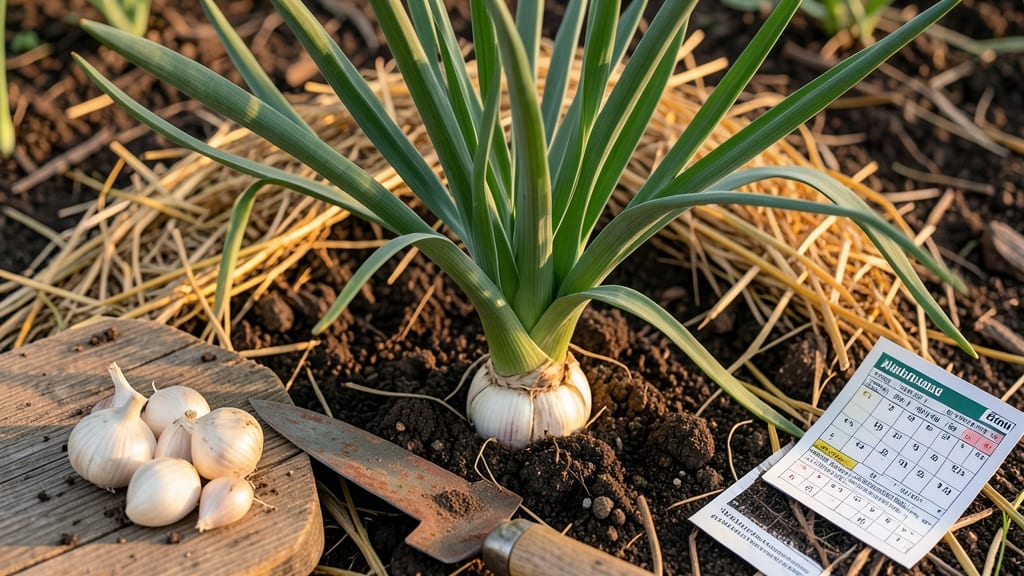
Planting garlic in Seattle at the wrong time means soggy cloves or stunted growth—but get the timing right in fall, and you’ll harvest plump, flavorful bulbs by next summer. The key is working with the Pacific Northwest’s cool, wet climate and planting before the ground freezes.
For Seattle’s USDA Zone 8a, the sweet spot is between mid-October and November, when soil temps drop below 60°F but before hard frost hits. This window gives garlic roots time to establish before winter dormancy kicks in.
Why does this matter? Fall-planted garlic develops stronger bulbs because it undergoes a natural cold cycle, a process called vernalization. Skip this step, and you’ll end up with smaller, less flavorful harvests—something no home gardener wants.
I’ll walk you through exactly how to prep your soil, choose the right varieties, and protect your cloves from Seattle’s infamous rain. Let’s make sure your 🧄 thrives all season long.
Optimal fall planting dates for Seattle garlic success
Seattle’s cool, wet climate makes fall garlic planting your best bet for bold, flavorful bulbs. Unlike warmer regions, we focus on hardneck varieties that thrive in USDA Zone 8a, where winters are mild but long enough for dormancy.
The key? Planting 4-6 weeks before ground freezes—typically mid-October to early November—to give roots time to establish before winter.
Timing is everything in Seattle. If you plant too early, cloves may sprout and get damaged by early frosts (average last frost: November 15). Plant too late, and roots won’t anchor before winter rains turn your soil to mush.
Aim for soil temps between 40°F and 50°F, the sweet spot for root growth without encouraging premature sprouting.
Seattle’s microclimates add another layer of complexity. Urban areas like Ballard or Fremont may stay slightly warmer, delaying frost, while rural spots like Snoqualmie can freeze earlier. Adjust your planting date 1-2 weeks later if you’re in a cooler microclimate. Check local Almanac frost dates to fine-tune your schedule.
Don’t stress if you miss the ideal window! You can plant as late as December, but expect smaller bulbs next summer. The trade-off? Fewer pests and diseases in winter. For maximum yield, though, stick to October-November and let Seattle’s cool summers do the rest of the work.
Seattle Garlic Planting Timeline
| Stage | Action | Soil Temp | Notes |
|---|---|---|---|
| Early Fall (Sept) | Prep soil, select cloves | 60°F+ | Loosen soil, add compost |
| Ideal Window (Oct-Nov) | Plant cloves 4-6" | 40°F-50°F | Pointy end up, 4-6" apart |
| Late Fall (Dec) | Mulch heavily | Below 40°F | Protect from heaving |
| Spring (Mar-Apr) | Remove mulch | 50°F+ | Encourage regrowth |
| Summer (Jun-Jul) | Harvest when brown | 70°F+ | Lower leaves crispy |
Seattle’s acidic, heavy soil can slow garlic growth if not prepped properly. Before planting, test your soil’s pH (aim for 6.0-7.0).
If it’s too acidic, mix in lime or wood ash to raise the pH. Amend with compost or well-rotted manure to improve drainage—the last thing you want is waterlogged cloves rotting in winter.
Pro tip: Use raised beds if your yard has clay-heavy soil. They warm up faster in spring, giving your garlic a head start. Add a 1-inch layer of gravel at the bottom for extra drainage.
In container gardening, choose deep pots (at least 12 inches deep) with drainage holes to mimic ideal conditions.
Remember, garlic planted in fall needs no summer watering—Seattle’s rains handle that. Focus on mulching with straw or leaves after planting to insulate roots during freeze-thaw cycles. This protects against heaving (when bulbs push up and crack) and keeps soil temps stable.
For a second harvest, try spring planting in March, but expect smaller bulbs due to Seattle’s short growing season. Fall-planted garlic always wins for size and flavor—just time it right to beat the frost! 🌿
Optimal fall planting dates for Seattle garlic success
Seattle’s cool maritime climate creates a narrow window for planting garlic—too early, and your cloves rot in wet soil; too late, and they won’t establish roots before winter.
The ideal time is between mid-October and November, when soil temperatures drop to 50–60°F but before hard frost (typically November 15 in Zone 8a).
This timing aligns with Seattle’s first frost average, giving garlic roots 4–6 weeks to anchor before dormancy. Urban areas like Ballard or Fremont may experience frost earlier than rural spots like Snoqualmie, so adjust accordingly.
Use a soil thermometer to confirm temps are below 60°F—this is your cue to plant.
For last-chance planting, you can push into early December if your soil hasn’t frozen yet. However, bulbs planted after December 1 rarely mature fully in Seattle’s short growing season. Prioritize hardneck varieties, which handle our cold winters better than softneck types.
| Stage | Action | Seattle-Specific Tip |
|---|---|---|
| Soil Prep | Test pH (6.0–7.0); amend with compost | Seattle’s soil is acidic—add lime if pH < 6.0 |
| Planting Window | Mid-October to November | Urban areas: Plant by October 31; rural areas: Extend to November 15 |
| Depth | 2 inches deep (heavy clay soil) | Adjust to 3–4 inches in waterlogged spots |
| Post-Planting | Mulch with straw (4–6 inches) | Prevents rot in Seattle’s wet winters |
Seattle’s microclimates play a huge role—coastal areas like West Seattle stay milder longer, while inland spots near Issaquah freeze earlier. If you’re unsure about your frost date, err on the side of planting earlier (late October) rather than late.
Garlic is resilient and will wait for warmer spring temps to grow.
Pro tip: Mark your planting date on a calendar and set a reminder for March 15, when you should start thinning mulch to encourage spring growth. This simple step ensures your garlic doesn’t miss its 6–8 hour daylight window for bulb development.
Remember, hardneck garlic thrives in Seattle’s climate because it needs cold vernalization—a process that softneck varieties skip. By planting in this October–November window, you’re setting your garlic up for a flavorful, high-yield harvest by next summer. 🧄