
Plants
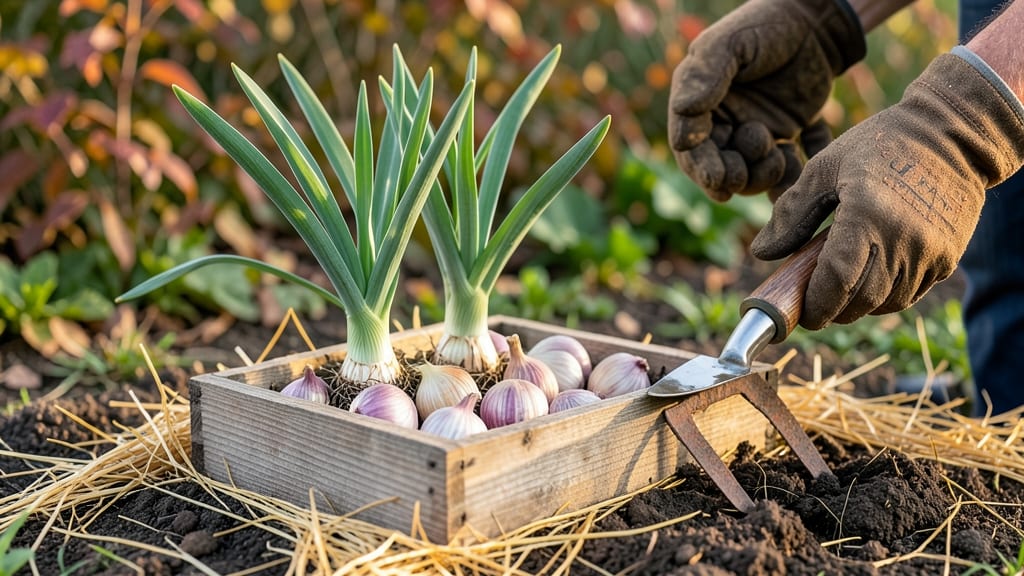
Planting garlic in Northeast Ohio isn't just about timing—it's about surviving the region's unpredictable winters and still reaping a harvest that rivals store-bought bulbs.
With USDA Zone 6a conditions and frost creeping in by mid-October, getting those cloves in the ground too early or too late can mean the difference between a bountiful July harvest and wasted effort.
Most gardeners here swear by fall planting, but did you know hardneck and softneck varieties have different sweet spots?
I’ve learned the hard way that planting hardneck garlic in October gives it just enough time to root before the ground freezes, while softneck types need a slightly later window to avoid early bolting. The key is understanding how your microclimate plays into these deadlines.
What if you miss the window? Don’t panic—we’ll cover backup strategies for late starts and how to adjust for urban heat islands or frost-prone valleys. Plus, I’ll share my go-to soil prep tips that keep garlic thriving even when Ohio’s weather throws curveballs.
Ready to grow garlic that outshines the grocery store?
Let’s break down the exact dates, soil conditions, and care steps that’ll have you harvesting plump, flavorful 🧄 bulbs by mid-July—no guesswork included.
Optimal planting dates for Northeast Ohio garlic by variety type
Northeast Ohio’s USDA Zones 5-6 create a tight window for planting garlic—miss it, and you’ll face frost damage or bolting. The key is planting 4-6 weeks before the ground freezes, typically between mid-October and November.
But not all garlic is created equal: hardneck and softneck varieties have different needs, and Ohio’s microclimates add another layer of complexity.
For hardneck garlic (the preferred choice for Ohio’s climate), aim to plant between October 15 and November 1.
This variety thrives in cold winters, producing those prized scapes and hardneck bulbs that store well. Softneck garlic, on the other hand, is more flexible but still benefits from a late-October to early-November window.
If you’re in a warmer microclimate (like near Lake Erie), you might push planting to early December, but this risks smaller yields.
Here’s the golden rule: soil temperature should be 40-50°F at planting time. Use a soil thermometer to check—if it’s warmer, roots will grow too fast and get damaged by early frosts. In most of Northeast Ohio, this means waiting until late October for safety.
Garlic Planting Timeline for Northeast Ohio
| Variety | Optimal Planting Window | Soil Temp Requirement | Key Consideration |
|---|---|---|---|
| Hardneck Garlic | October 15 – November 1 | 40-50°F | Best for cold winters; produces scapes |
| Softneck Garlic | Late October – Early November | 45-50°F | More flexible; stores longer but needs warmer soil |
| Both Varieties | Last Chance: Early December | 40°F or below | Risk of smaller bulbs; only for late starters |
🌱 Pro Tip: Use a soil thermometer to avoid guessing—accuracy prevents wasted seed garlic.
If you’re planting in September, your garlic may bolt prematurely due to warm soil temperatures. Wait until mid-October to be safe. And if you’re in a valley or low-lying area (like parts of Trumbull or Mahoning Counties), frost can arrive earlier—adjust your planting to early October.
Don’t forget to break apart garlic bulbs into individual cloves before planting. The largest cloves will produce the biggest bulbs, so save those for prime spots.
Plant them pointy-end up, about 2 inches deep and 4-6 inches apart. This spacing gives roots room to spread before winter sets in.
After planting, mulch heavily with straw or leaves (4-6 inches thick) to insulate the soil and protect cloves from freeze-thaw cycles.
This mulch layer is your first line of defense against Ohio’s unpredictable winter weather, which can cause heaving (when soil expands and contracts, pushing bulbs out of the ground).
One common mistake is assuming you can plant garlic in spring. While possible, spring-planted garlic in Ohio often bolts early (sends up flower stalks) due to long daylight hours, resulting in small, pungent bulbs.
Save spring planting for softneck varieties in Zone 7+, but Northeast Ohio gardeners are better off sticking to fall planting.
Finally, mark your planting spots with flags or stakes—Ohio’s snow cover can hide your garlic beds, and you’ll forget where they are until spring. When the snow melts, you’ll want to remove mulch temporarily to check for sprouting and adjust watering if needed.
With the right timing, your garlic will overwinter beautifully and reward you with plump, flavorful bulbs by mid-July. The key is patience and precision—Ohio’s climate
Optimal planting dates for Northeast Ohio garlic by variety type
Northeast Ohio’s USDA Zone 5-6 climate means garlic planting timing can make or break your harvest. Hardneck varieties (like 'German Red' or 'Music') thrive in cold winters, while softneck types (such as 'Silverskin') are more flexible but still need precise timing.
The key window is 4-6 weeks before the ground freezes, typically mid-October to early November.
For hardneck garlic, aim for October 15-30—this gives roots time to establish before winter dormancy. Softneck varieties can stretch slightly later, up to November 10, since they’re less cold-hardy. Planting too early risks bolting (flowering prematurely), while late planting may leave bulbs stunted by frost.
| Variety Type | Ideal Planting Window | Soil Temp Threshold | Notes |
|---|---|---|---|
| Hardneck (e.g., 'German Red') | Mid-October to October 30 | 45-55°F (7-13°C) | Cold-hardy; produces scapes |
| Softneck (e.g., 'Silverskin') | Late October to November 10 | 50-60°F (10-16°C) | Less cold-tolerant; stores longer |
Check soil temperatures with a soil thermometer—garlic roots need 45-60°F (7-16°C) to establish. In Zone 5 areas (like Youngstown), plant by October 20 to avoid winter kill. For Zone 6 (Cleveland/Akron), extend to November 5 for hardnecks. Use mulch (straw or leaves) to insulate bulbs during winter.
If you miss the fall window, spring planting is possible but risky—only attempt with softneck varieties in March-April. Spring garlic may bolt early due to Ohio’s heat, reducing bulb size.
For best results, stick to fall planting and order cloves early from reputable suppliers like Johnny’s Selected Seeds or Baker Creek.
Pro tip: Break apart garlic bulbs into individual cloves right before planting. Larger cloves yield bigger bulbs, but avoid planting the center clove—it’s the weakest. Plant pointy-end up, 2 inches deep, and 6 inches apart in rows 12 inches apart for airflow.
Remember: Garlic needs 90 days of cold to form bulbs. Northeast Ohio’s winters naturally provide this, but cover with 4-6 inches of mulch to protect from freeze-thaw cycles that can heave bulbs out of the soil. Remove mulch in early spring to resume growth.