
Plants
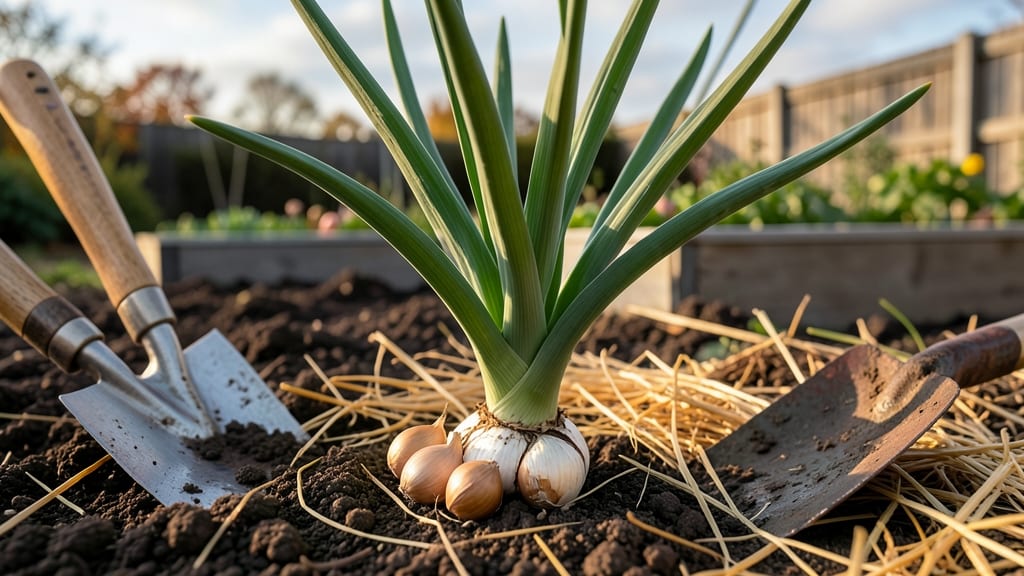
Timing your garlic planting in New Jersey could mean the difference between a bountiful harvest and a disappointing flop. The perfect window for planting 🧄—typically between October and November—aligns with the state's 6a-7b climate, where cooler temperatures trigger strong root growth before winter dormancy.
But here's the catch: hardneck and softneck varieties have different needs. Hardneck garlic thrives in colder winters, while softneck prefers milder conditions. Miss the mark, and you risk stunted bulbs or even total failure.
I'll show you exactly how to sync your planting schedule with New Jersey's frost dates for maximum yield.
Whether you're a seasoned gardener or just starting, getting this right means fewer weeds, healthier plants, and garlic that tastes like it came from a farmers' market instead of a grocery store.
Let's break down the best months, soil prep, and regional tweaks to ensure your garlic grows strong all winter long.
From coastal areas like Cape May to inland regions like Sussex County, New Jersey's microclimates create unique challenges. I'll walk you through how to adjust your planting strategy so your garlic—whether hardneck or softneck—gets the ideal start for a reliable summer harvest.
New Jersey garlic planting calendar: hardneck vs softneck timeline for best yields
New Jersey’s USDA Zones 6a-7b offer a perfect window for growing garlic, but timing varies dramatically between hardneck and softneck varieties. Hardneck types like Rocks and Porcelain thrive with a long cold period (40-60°F for 60+ days), while softneck varieties such as Silverskin and Artichoke tolerate milder winters.
Miss the ideal window, and you’ll end up with small, pithy bulbs or even no harvest at all.
For best results, aim to plant garlic 4-6 weeks before the ground freezes—typically between mid-October and early November in most of New Jersey. Coastal areas like Cape May may push planting to late November, while inland regions like Sussex County can start as early as mid-September.
The key is ensuring garlic establishes roots before winter dormancy begins.
⚠️ CRITICAL NOTE: Never plant garlic in spring—it needs a full growing season to develop bulbs. Spring-planted garlic will just bolt and produce seeds instead of cloves.
| Variety Type | Ideal Planting Window | Cold Requirement | Best For |
|---|---|---|---|
| Hardneck (Rocks, Porcelain) | Mid-October to early November | 60+ days below 40°F | Bulb size, flavor, scapes |
| Softneck (Silverskin, Artichoke) | Late October to December | 40-60 days below 40°F | Storage, mild winters |
*Adjust dates 1-2 weeks earlier for inland NJ or later for coastal areas.
Soil preparation is just as critical as timing. Test your soil’s pH (6.0-7.0 ideal) and amend with compost or aged manure to improve drainage—New Jersey’s heavy clay soils can suffocate garlic roots. Work in a balanced fertilizer (5-10-10) at planting time to encourage root growth before winter sets in.
If you’re planting hardneck garlic, prioritize varieties like ‘German White’ or ‘Music’, which handle NJ’s winters well. For softneck, ‘California Early’ or ‘Inchelium Red’ are excellent choices for milder microclimates.
Break apart bulbs into individual cloves (keep the papery skin intact) and plant them 2 inches deep, 4-6 inches apart.
Mulch heavily with straw or leaves (4-6 inches) after planting to insulate bulbs from freeze-thaw cycles. This protects roots and prevents heaving—when bulbs push out of the soil due to expansion and contraction.
In USDA Zone 7b (southern NJ), you might need to mulch even earlier to extend the planting window.
Harvest timing depends on variety, but most New Jersey garlic is ready by mid-July to early August. For hardneck, watch for scape development (the curly flower stalk)—removing scapes redirects energy to bulb growth.
For softneck, harvest when lower leaves yellow but upper leaves stay green. Cure harvested bulbs in a dry, shady place for 2-3 weeks before storing.
Pro tip: Mark your calendar for April 15 (average last frost date in NJ) to remind yourself when garlic should be emerging. If you see green shoots by then, your timing was perfect! If not, you may need to adjust next year’s planting window.
Remember, garlic planted in fall grows through winter, spring, and summer—so patience is key. With the right timing and care, you’ll enjoy homegrown garlic that’s 3x larger and far more flavorful than store-bought varieties. 🌱
How to adjust planting time for New Jersey’s microclimates (coastal vs inland)
New Jersey’s diverse geography means coastal areas like Cape May and inland regions like Sussex County experience different frost patterns and growing conditions. These differences can shift your garlic planting window by weeks, so knowing your microclimate is key.
Coastal areas tend to have milder winters and later first frosts, while inland zones face earlier freezes and colder soil temperatures.
For coastal gardeners, you can often plant softneck varieties (like artichoke garlic) as late as early December. The ocean’s moderating effect delays frost, giving you extra time. In contrast, inland gardeners should aim for October planting—any later, and your cloves may not develop properly before winter sets in.
Here’s the critical difference: In Cape May, your last planting window might stretch into mid-December, while in Sussex County, you’re better off finishing by early November. The 10°F soil temperature threshold (when garlic roots stop growing) arrives weeks earlier inland.
🌱 Pro Tip: Use a soil thermometer to check when temperatures consistently drop below 40°F at night. This is your cue to plant hardneck varieties, which thrive in colder conditions.
Coastal vs Inland Planting Warning
Inland gardeners: Planting after November 15 risks poor bulb formation. Coastal gardeners: Don’t delay past December 10—softneck varieties may overheat in mild winters.
Both regions: Avoid planting when soil temps exceed 50°F—this triggers premature sprouting and weak roots.
If you’re in a transition zone (like central NJ), split your planting: start with hardneck varieties in early October for cold resistance, then add softneck cloves in late November for heat tolerance. This hybrid approach gives you the best of both worlds.
For heat-sensitive softneck garlic, inland gardeners should prioritize shade cloth or raised beds in summer. Coastal areas can push softneck planting later, but monitor for fungal risks from prolonged mild, wet conditions. Always choose locally adapted varieties—ask at your county extension office for NJ-specific recommendations.
🌡️ Remember: New Jersey’s USDA Zone 6-7 range means your first frost date can vary by 3-4 weeks across the state. Check your local Almanac frost chart and adjust your schedule accordingly.