
Plants
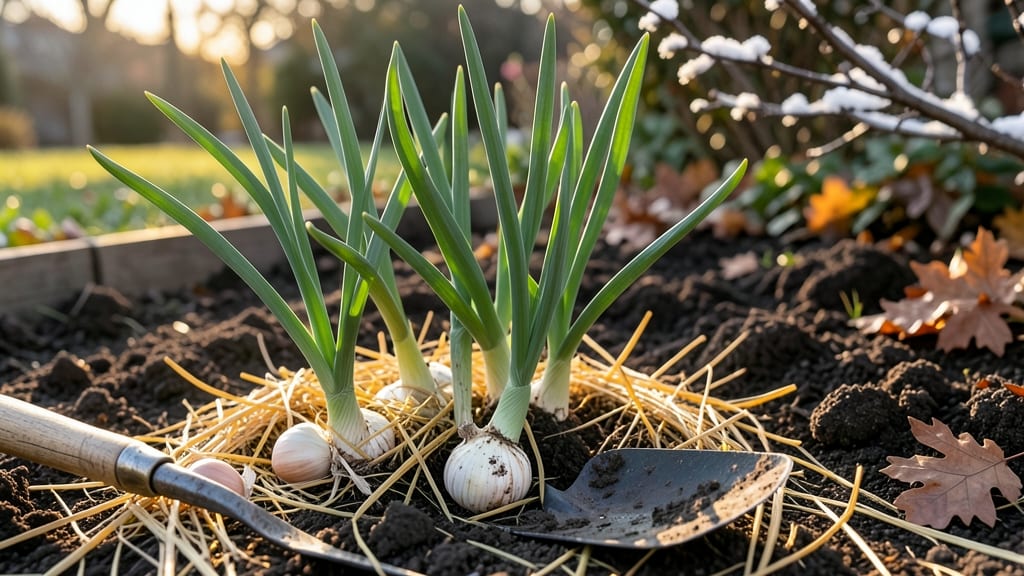
Timing is everything when you're growing 🧄 garlic in Zone 6b—plant it too early, and you risk rot; too late, and your bulbs won’t develop properly. The secret to plump, flavorful harvests lies in understanding your region’s frost patterns and soil temperatures, which I’ll break down for you.
Most gardeners in Zone 6b plant garlic in October or November, giving the cloves time to establish roots before winter. This cold stratification period is what transforms those tiny cloves into robust bulbs by summer.
But there’s a trick to getting it just right—especially if you’re new to garlic growing.
In this guide, I’ll walk you through the exact planting window, soil prep tips, and post-planting care to ensure your garlic thrives. Whether you’re a first-timer or a seasoned gardener, these strategies will help you avoid common mistakes and maximize your harvest.
Ready to grow garlic that’s bigger, healthier, and full of flavor? Let’s get started with the best months to plant in Zone 6b—and why timing matters more than you think.
Best months to plant garlic in Zone 6b for maximum bulb size
Garlic thrives in Zone 6b when planted during its natural dormancy period, which means fall planting is your best bet for large, flavorful bulbs. The key is timing it so cloves experience cold stratification—a process where they’re exposed to winter temperatures before sprouting.
This mimics their natural growing cycle in Mediterranean climates.
In Zone 6b, where winters are cold but not extreme, the ideal planting window is between mid-October and mid-November. This gives garlic enough time to establish roots before the ground freezes solid.
Planting too late (after November 15) risks cloves rotting if the soil stays wet, while planting too early (before October 1) may cause premature sprouting.
Here’s why timing matters: Cold temperatures trigger bulb development. When garlic experiences freezing temps (down to 20°F), it signals the plant to focus energy on forming bulbs rather than just leaves. Without this chill, you’ll end up with smaller, weaker bulbs—or worse, no bulbs at all.
If you miss the fall window, you can try late-winter planting (January–February) in Zone 6b, but results are less reliable. Spring-planted garlic often produces smaller bulbs because it lacks the cold stratification period. For best results, stick to fall planting and let winter do the work.
📅 Zone 6b Garlic Planting Timeline
| Stage | Action | Notes |
|---|---|---|
| Mid-October | Plant cloves 2" deep, 4-6" apart | Soil temp: 50-60°F |
| November | Mulch with 4-6" straw | Protects from freeze-thaw cycles |
| Winter (Dec-Feb) | Dormancy period (no care needed) | Cold stratification occurs |
| March-April | Remove mulch; water lightly | Shoots emerge when soil reaches 40°F |
| June-July | Stop watering; lower leaves brown | Bulbs mature; harvest before splitting |
One common misconception is that garlic needs to be planted as soon as possible in fall. But rushing can backfire if the soil is still warm. Aim for 4-6 weeks before the first hard frost—this ensures cloves have time to root before winter sets in.
In Zone 6b, where the average first frost is around November 15, this translates to planting between October 15 and November 1.
Soil temperature plays a critical role in garlic’s success. Cloves should be planted when soil temps drop to 50-60°F. If you plant too early (e.g., September), cloves may sprout prematurely and get damaged by frost.
Use a soil thermometer to check—if temps are above 60°F, wait a few weeks.
Another pro tip: Hardneck varieties (like ‘German White’ or ‘Music’) perform best in Zone 6b because they require cold stratification to form bulbs. Softneck varieties (like ‘Silverskin’) are more flexible but still benefit from fall planting. Choose large, firm cloves for planting—they’ll produce the biggest bulbs next summer.
After planting, mulching is non-negotiable in Zone 6b. Apply 4-6 inches of straw or leaves to insulate the soil and prevent freeze-thaw cycles that can heave cloves out of the ground. Remove the mulch in early spring (March) to allow water to penetrate as shoots emerge.
Finally, resist the urge to fertilize in fall. Garlic doesn’t need extra nutrients until spring, when you can apply a light dose of compost or balanced fertilizer (5-10-10). Over-fertilizing now can lead to excessive leaf growth at the expense of bulb development.
Best months to plant garlic in Zone 6b for maximum bulb size
In Zone 6b, the ideal planting window for garlic is between mid-October and mid-November. This timing ensures your cloves establish roots before the ground freezes, which is critical for bulb development. The cold stratification period—where garlic experiences winter temperatures—actually helps break dormancy and produces larger, more flavorful bulbs.
Garlic planted too early (like September) may rot in wet soil, while planting too late (December or later) can result in weak, underdeveloped bulbs. Aim to plant 4-6 weeks before your first hard frost, which in Zone 6b typically falls around November 15.
For example, if your frost date is November 20, plant by October 25 for best results.
But what if you miss the fall window? Some gardeners successfully plant garlic in January or early February, though this method requires extra care. Early spring planting works best in milder Zone 6b microclimates or with row covers to protect young shoots from late frosts.
However, bulbs from spring-planted garlic tend to be smaller and less robust than those from fall planting.
| Planting Window | Soil Temperature | Frost Requirement | Bulb Development |
|---|---|---|---|
| Mid-October to Mid-November | 40–50°F (4–10°C) | Before hard frost | Optimal (large, flavorful bulbs) |
| Late November to December | Below 40°F (4°C) | Before ground freezes | Reduced (smaller bulbs) |
| January–Early February | 35–45°F (2–7°C) | Protect from late frosts | Poor (weak growth) |
🌱 Key: Fall planting yields the best results in Zone 6b.
Soil temperature plays a critical role in garlic’s success. Cloves should be planted when soil temps drop to 40–50°F (4–10°C). Use a soil thermometer to check—if temps are above 50°F, wait a few weeks.
In Zone 6b, this usually aligns with late October. Cooler soils help prevent rot and encourage strong root growth before winter.
Don’t overlook the importance of mulching after planting. Apply a 2–3 inch layer of straw or leaves to insulate the soil and protect cloves from extreme cold. This mulch also suppresses weeds and retains moisture, which is especially helpful during Zone 6b’s winter thaw cycles.
Remove mulch in early spring once shoots emerge to allow sunlight to reach the plants.
For gardeners in Zone 6b, the earliest you should plant is September 15, but this is risky due to potential fungal diseases from wet fall soils. If you’re unsure about your frost date, use local weather data or consult your USDA Plant Hardiness Zone Map for precise timing.
Remember, garlic planted in fall will reward you with larger bulbs and better flavor than spring-planted varieties.