
Trees
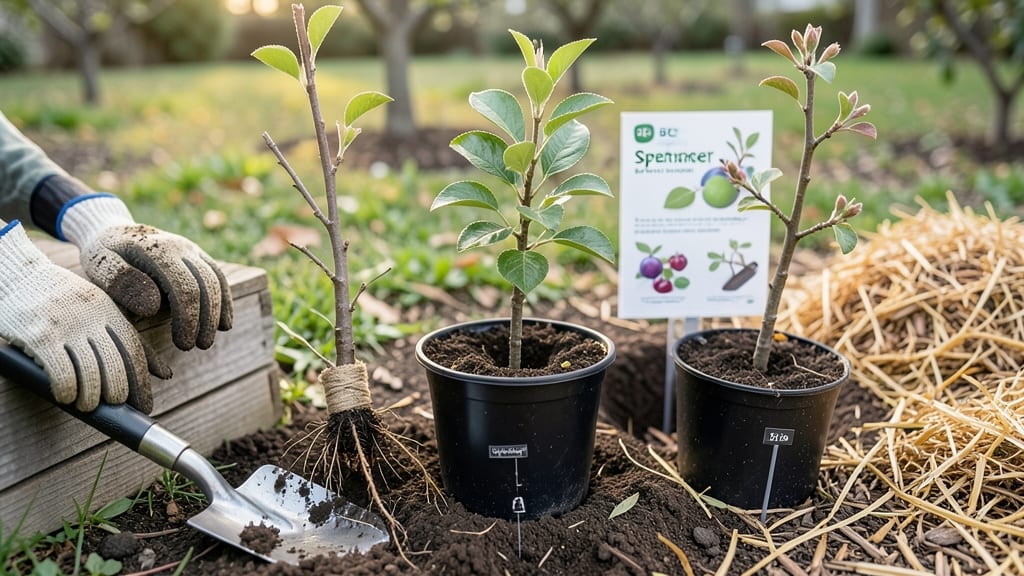
Timing your fruit tree planting in British Columbia isn't just about the calendar—it's about matching your trees to BC's unique chill-hour zones and avoiding those costly frost surprises that can set back your harvest for years.
Whether you're in Vancouver's milder coastal zone or the Okanagan's colder interior, planting at the wrong time can mean the difference between flourishing trees and struggling saplings.
I've researched the best windows for both spring and fall planting, so you can choose the perfect moment for your 🌱 fruit trees to thrive.
From understanding chill-hour requirements to preparing your soil for BC's diverse microclimates, this guide covers everything you need to know. Let's dive into the ideal planting schedule that'll set you up for a bountiful harvest season after season.
You'll discover which varieties do best in your specific region, how to avoid common planting mistakes, and even tips for container growing if space is limited. Ready to get your orchard off to the right start?
BC fruit tree planting calendar by chill-hours and hardiness zones
British Columbia’s diverse climate—from Vancouver’s mild coastal zones to the Okanagan Valley’s cold winters—means timing is everything when planting fruit trees. Unlike warmer climates, BC’s chill-hour requirements (the number of hours below 7°C needed for fruit production) dictate when and where you can successfully grow apples, cherries, peaches, and pears.
Planting outside these windows risks poor fruit set or even tree death.
Most BC regions fall between USDA Zones 5 and 8, but microclimates create huge differences. For example, Vancouver (Zone 7-8) has fewer chill hours than Kelowna (Zone 5-6), so low-chill varieties like ‘Freedom’ apples thrive in coastal areas, while traditional varieties need the Okanagan’s colder winters.
Always match your tree’s chill-hour needs to your local zone.
Here’s your BC-specific planting calendar, broken down by season, chill-hour needs, and regional hardiness zones. Use this as your guide to avoid common mistakes like planting too early (risking frost damage) or too late (delaying root establishment).
🌱 BC Fruit Tree Planting Summary Table
| Region & Zone | Best Planting Time | Chill-Hours Needed | Recommended Varieties | Key Consideration |
|---|---|---|---|---|
| Vancouver (Zone 7-8) | Late March–April | 300–800 hours | ‘Spencer’ apple, ‘Stella’ cherry | Avoid early spring frost |
| Victoria (Zone 8) | April–May | 200–500 hours | ‘Freedom’ apple, ‘Lapins’ pear | Low-chill varieties only |
| Kelowna (Zone 5-6) | October–November (fall) or April (spring) | 800–1,200 hours | ‘Starking Delicious’ apple, ‘Stella’ cherry | Fall planting for root growth |
| Prince George (Zone 4-5) | May–June (after last frost) | 1,000–1,400 hours | ‘McIntosh’ apple, ‘Montmorency’ cherry | Longer growing season needed |
🌡️ Pro Tip: Check your local last frost date (e.g., mid-April in Vancouver, late May in Kamloops) and plant 2–4 weeks after for bare-root trees.
Spring planting (March–May) is ideal for most BC regions, but fall planting (September–October) works well in colder zones like the Okanagan and Interior. The key is ensuring the tree establishes roots before winter.
For bare-root trees, plant as soon as they arrive—don’t let roots dry out. Potted trees can wait until spring.
If you’re in a warmer microclimate (e.g., coastal areas), opt for low-chill varieties like ‘Freedom’ apples or ‘Lapins’ pears. These need fewer than 500 chill hours, making them perfect for Zone 8.
In contrast, traditional varieties like ‘Gala’ apples require 800+ chill hours, so they’re better suited for the Interior.
Always test your soil’s pH (ideal: 6.0–7.0) and amend with compost or lime if needed. BC’s acidic soils (common in coastal areas) can stunt growth. A simple soil test from your local nursery will save you headaches later.
For container planting, choose dwarf varieties like ‘Columnar’ apples or ‘Patio’ peaches. These thrive in pots but still need full sun and consistent watering. Move containers indoors or to a sheltered spot if frost is forecasted.
Finally, protect young trees from late frosts with frost cloth or a windbreak. In BC, April frosts can still occur in May, so monitor weather forecasts and be ready to cover tender new growth.
Critical mistakes to avoid when planting fruit trees in BC
BC’s variable climate makes planting fruit trees tricky—one wrong move, and your $100 tree could struggle for years. I’ve seen frost damage wipe out entire orchards because gardeners ignored timing. Let’s fix that with my top mistakes to avoid.
First, planting too early in spring is a common trap. Cool, wet soil slows root growth, and a late frost can kill young shoots. Wait until soil temps reach 10°C (50°F)—use a soil thermometer to check. Patience here saves headaches later.
Another big error? Ignoring chill-hour needs. BC’s zones range from Zone 4 (Okanagan) to Zone 8 (Vancouver Island), but many fruit trees need 500–1,000 chill hours. Planting a peach tree in Zone 8 without verifying its chill requirements guarantees poor fruit set.
Skipping soil pH testing is another silent killer. Most fruit trees thrive in pH 6.0–7.0, but BC’s acidic soils (especially in the Vancouver area) often need lime. A quick $20 soil test from your local agriculture extension saves you from stunted growth.
Finally, planting too deep suffocates roots. The graft union should sit 2–3 inches above ground. I’ve seen gardeners bury it completely, leading to root rot and tree death. Mark the union with a stake if you’re unsure.
Pro tip: Mulch properly—use wood chips (not fresh sawdust) to retain moisture and regulate soil temps. Avoid piling mulch against the trunk to prevent rot. A 3-inch layer keeps roots happy without smothering them.
By avoiding these mistakes, your fruit trees will thrive—no more brown leaves or no fruit! Check your local BC Ministry of Agriculture for zone-specific tips before digging.