
Trees
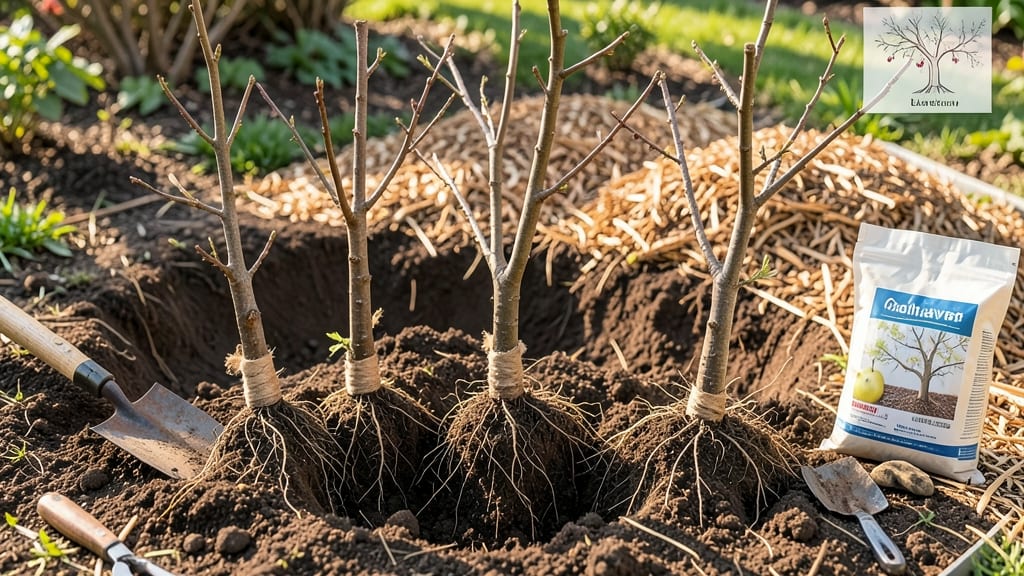
Planting your 🍎 fruit tree at the wrong time in Virginia could mean waiting years for that first sweet harvest—or worse, never getting there. The state’s varied climate zones (from 6a to 8a) demand precision, especially when matching varieties to their chill-hour needs.
Most gardeners know spring is the magic window, but did you know the best months depend on whether you’re in the coastal plains, Piedmont, or mountains? Late winter (February) works for bare-root trees, while early spring (March-April) suits container-grown varieties—just before the last frost hits around March 15 on average.
I’ll break down the exact timing, soil prep tricks, and regional tweaks to ensure your tree thrives. Skip the guesswork and get the reliable harvest you’ve been dreaming of—starting with the right planting window.
Ready to turn your backyard into a fruit orchard? Let’s dive into Virginia’s chill-hour zones and the planting schedule that’ll set you up for success.
Virginia’s chill-hour zones: how to match fruit trees for maximum success
Understanding Virginia’s chill-hour zones is the first step to selecting the right fruit tree varieties for your region. These zones measure the number of hours below 45°F a tree needs to produce fruit successfully.
Virginia spans USDA Zones 6b to 8a, with chill-hour ranges from 300 to 1,000+ hours—a critical factor for apples, peaches, and pears.
For example, peach trees typically require 400-600 chill hours, while apples need 800-1,000+ hours. Planting a peach tree in the coastal plain (Zone 7b-8a) with only 300-400 chill hours will likely result in poor fruit production or no fruit at all.
Matching your tree to your zone ensures healthy growth and a reliable harvest.
Here’s how Virginia’s chill-hour zones break down by region and which fruit tree varieties thrive in each:
| Region | Chill Hours | Best Fruit Trees | Notes |
|---|---|---|---|
| Coastal Plain (Zones 7b-8a) | 300-500 | Peach, Fig, Loquat, Low-Chill Apple Varieties (e.g., 'Anna') | Avoid high-chill varieties like 'Honeycrisp' apples. |
| Piedmont (Zones 6b-7a) | 500-800 | Apple, Peach, Pear, Cherry, Plum | Ideal for classic varieties like 'Fuji' apples and 'Elberta' peaches. |
| Mountains (Zones 6a-6b) | 800-1,000+ | Apple, Pear, Cherry, Plum, Blueberry | Perfect for cold-hardy varieties like 'Granny Smith' apples. |
If you’re unsure about your chill-hour zone, check with your local Cooperative Extension office or use online tools like the USDA Plant Hardiness Zone Map. For example, Richmond (Zone 7b) has around 500-600 chill hours, while Roanoke (Zone 6b) sees 800+ hours.
This difference means a peach tree will thrive in Richmond but may struggle in Roanoke without proper care.
Another key factor is dormancy timing. Fruit trees in Virginia enter dormancy in late fall and should be planted while still dormant but before bud break. This usually means February to early April, depending on your region.
Planting too early can expose roots to winter cold, while planting too late risks spring frost damage to new growth.
For bare-root trees, plant as soon as they arrive in late winter, while roots are still dormant but soil is workable. Container-grown trees can be planted slightly later, up to April, but avoid planting when soil is waterlogged or frozen.
Always dig a hole twice as wide as the root ball to encourage root spread and improve stability.
Once planted, mulch around the base with 3-4 inches of organic mulch (like wood chips) to retain moisture and regulate soil temperature. Water deeply once a week for the first year, ensuring the soil stays moist but not soggy.
Avoid fertilizing in the first year—your tree’s energy should focus on root establishment, not fruit production.
If you’re in a warmer microclimate (like near the coast), consider low-chill varieties or use heat-resistant rootstocks to improve success. For example, 'Redhaven' peaches (600 chill hours) work well in the Piedmont, while 'Contender' peaches (300 chill hours) are better for the coastal plain.
Matching your fruit tree to Virginia’s chill-hour zones isn’t just about survival—it’s about maximizing yield and fruit quality. A well-chosen tree will reward you with juicy peaches, crisp apples, and sweet pears for years to come.
Start by identifying your zone, then select varieties that align with your climate for a thriving orchard. 🌳
Best planting months in Virginia by region: coastal vs. Piedmont vs. mountains
Virginia’s diverse climate means your fruit tree planting window depends entirely on where you live. The state spans USDA Zones 6b-8a, creating three distinct regions with unique frost patterns and growing seasons.
Let’s break down the best months for each area to ensure your trees establish strong roots before summer heat arrives.
For Coastal Virginia (Zone 8a), milder winters mean you can plant bare-root trees as late as March without frost risk. In contrast, the Piedmont region (Zone 7a) requires planting between February and early April to avoid late frosts that can damage tender new growth.
Mountain areas (Zone 6b) demand the earliest timing—late January to March—to capitalize on the short growing season.
🌱
| Region | Best Planting Window | Key Consideration | Soil Prep Tip |
|---|---|---|---|
| Coastal (Zone 8a) | March | Mild winters, late frosts rare | Amend sandy soil with organic matter for drainage |
| Piedmont (Zone 7a) | February-April | Last frost: late March, watch for spring freezes | Test soil pH (6.0-7.0) and adjust with lime/sulfur |
| Mountains (Zone 6b) | Late January-March | Short growing season, plant early for root establishment | Use mulch (4-6 inches) to protect roots from cold snaps |
Container-grown trees offer more flexibility than bare-root varieties. They can be planted up to May in Coastal Virginia (but avoid summer heat stress), while mountain regions should stick to March planting to prevent winter damage. Always check your local Cooperative Extension Service for region-specific frost date updates.
After planting, prioritize deep watering (15-20 gallons per young tree) and stake support if needed. In Piedmont and Mountain regions, consider wrapping tree trunks with tree guards to protect against late-season deer browsing. Coastal areas may need extra humidity management during summer to prevent fruit cracking in varieties like peaches.
🌿