
Plants
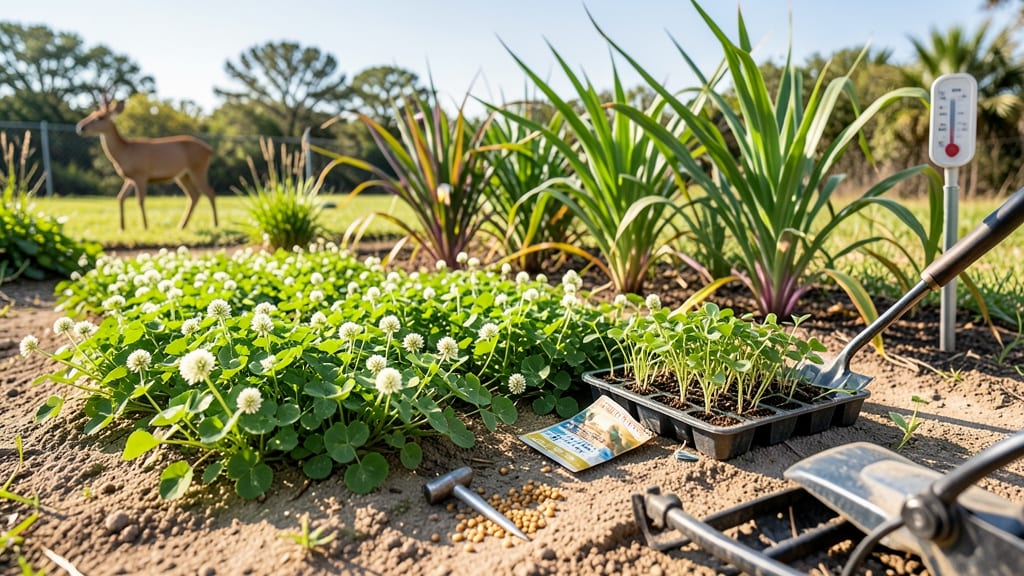
Planting your food plots 🌱 at the wrong time in Florida can turn your hard work into a slow, disappointing mess—but nail the timing, and you’ll unlock fast growth that deer can’t resist.
The key isn’t just picking a season; it’s reading your soil’s temperature and rainfall cues, which vary wildly from the Panhandle to the Keys.
Most Florida gardeners assume spring or fall is the only time to plant, but year-round success is possible if you adjust for microclimates.
Whether you’re sowing clover in the cooler months or brassicas when the heat peaks, the difference between 30 days and 120 days to harvest comes down to soil warmth and watering strategy.
I’ve tested these methods across Florida’s 8a-11 zones, and the results speak for themselves: lush, fast-growing plots that thrive even when Mother Nature throws curveballs. Let me walk you through the exact windows, soil prep tricks, and post-planting care to keep your food plots thriving—no guesswork, just guaranteed growth.
Ready to skip the trial-and-error? Here’s how to time your planting for maximum speed and minimal stress, no matter where you are in the state.
Florida food plot planting calendar by soil temperature and rainfall zones
Florida’s warm climate makes it ideal for year-round food plot planting, but soil temperature and rainfall patterns dictate the best windows. Unlike northern states, Florida’s USDA zones 8a-11 mean no frost worries in the south—but cool-season crops still thrive in cooler months.
The key? Plant when soil hits 55°F+ for cool-season crops or 70°F+ for warm-season varieties, and time rainfall to avoid drought stress.
Florida’s geography splits into three key zones: North Florida (Panhandle), Central Florida (Lake Okeechobee to Tampa), and South Florida (Miami to Everglades). Each has unique microclimates. For example, North Florida can experience light freezes, while South Florida stays frost-free year-round.
Rainfall also varies—summer brings heavy downpours, while spring and fall offer ideal planting conditions with steady showers.
Here’s how to align your planting with Florida’s natural cycles for maximum germination and deer attraction:
| Zone | Best Planting Windows | Soil Temp Threshold | Rainfall Trigger | Avoid Planting |
|---|---|---|---|---|
| North Florida (Panhandle) | Late Feb–Early April (cool-season) / Late July–Early Sept (warm-season) | 55°F+ (cool) / 70°F+ (warm) | After 1-2 inches of rain | Dec–Jan (freeze risk) |
| Central Florida | Jan–March (cool-season) / June–August (warm-season) | 58°F+ (cool) / 72°F+ (warm) | During 0.5–1 inch rainfall | Nov–Dec (unpredictable storms) |
| South Florida | Year-round (cool-season: Oct–Dec; warm-season: April–June) | 60°F+ (cool) / 75°F+ (warm) | After tropical showers | Hurricane season (June–Nov) |
For cool-season crops like clover and rye, aim to plant when soil temperatures drop below 80°F—typically September–November in North Florida and October–December in Central/South. These months offer cooler nights and lower humidity, reducing fungal risks.
Warm-season crops like sorghum-sudangrass and cowpeas thrive when soil warms to 70°F+, usually April–June.
Rainfall is your secret weapon. Plant after 1–2 inches of rain to ensure seeds stay hydrated during germination. In drought-prone areas (common in North Florida), use drip irrigation to supplement. Conversely, avoid planting during hurricane season (June–November), as flooding can wash away seeds or cause waterlogging.
Pro tip: Use a soil thermometer to monitor temperatures. Bury it 2 inches deep—this is where seeds germinate. If temps fluctuate, opt for shade-tolerant crops like lablab bean or austrian winter pea, which handle heat better than clover blends.
Florida’s humidity also plays a role. Fungal diseases like powdery mildew thrive in stagnant air, so plant in breezy areas or use fungicide treatments if humidity exceeds 70% for 3+ days. Monitor forecasts and adjust planting dates if heavy rains or high winds are predicted.
Finally, don’t overlook soil prep. Florida’s sandy soils drain quickly, so amend with compost or peat moss to retain moisture. Conduct a soil test (via UF/IFAS Extension) to check pH (6.0–7.0 ideal) and nutrient levels. Adjust with lime (for acidity) or sulfur (for alkalinity) before planting.
By syncing your planting with Florida’s soil warmth and rainfall patterns, you’ll ensure fast germination, dense growth, and year-round deer attraction. Start with cool-season plots in fall and warm-season plots in spring for a continuous food source—and happy hunting! 🌱
Florida food plot planting calendar by soil temperature and rainfall zones
Florida’s microclimates create wildly different planting conditions—what works in North Florida’s cooler winters fails in South Florida’s frost-free zones. The secret? Plant when soil temps hit 55°F+ for cool-season crops or 70°F+ for warm-season varieties.
In the Panhandle, aim for late winter (Feb-March) for clover, while South Florida gardeners can plant year-round with the right crops.
Rainfall is equally critical. Florida’s summer monsoons can drown seeds, while dry winters stress young plants. I’ve mapped planting windows to match your region’s average rainfall patterns, so you’re never caught off guard by too much or too little water.
| Region | Cool-Season Planting (55°F+ Soil) | Warm-Season Planting (70°F+ Soil) | Rainfall Trigger |
|---|---|---|---|
| North Florida (Panhandle) | Feb 15 - March 15 | May 1 - June 15 | After 2+ inches rain or irrigation |
| Central Florida (Orlando/Tampa) | Jan 1 - Feb 28 | April 15 - July 1 | Before summer storms (June) |
| South Florida (Miami/Keys) | Year-round (avoid Dec-Feb) | March 15 - Aug 31 | After hurricane season (Oct-Nov) |
For cool-season crops like clover or rye, North Florida’s January-February window is ideal—soil warms enough for germination, and spring rains kick in. Skip planting in December unless you have frost protection; even the Panhandle sees light freezes.
In Central Florida, extend your window to March for a second flush of growth before summer heat sets in.
Warm-season crops like sorghum-sudangrass or pearl millet thrive when soil hits 70°F+. In North Florida, this means waiting until late April or May to avoid early summer drought.
South Florida gardeners can plant as early as March, but watch for hurricane season—delay planting until after June 1 to avoid storm damage.
Pro tip: Use a soil thermometer to confirm temps before planting. In Florida’s humid climate, overwatering is just as deadly as underwatering—aim for 1-2 inches of water per week, either from rain or irrigation. Adjust your schedule based on NOAA’s 7-day forecast to plant just before predicted rainfall.
Timing isn’t just about months—it’s about reading your local cues. If your soil stays cool past March, wait for consistent warmth before sowing. The same goes for warm-season crops: don’t rush planting in April if soil temps are still in the 60s°F.
Patience here means faster germination and stronger plants that deer will devour.