
Plants
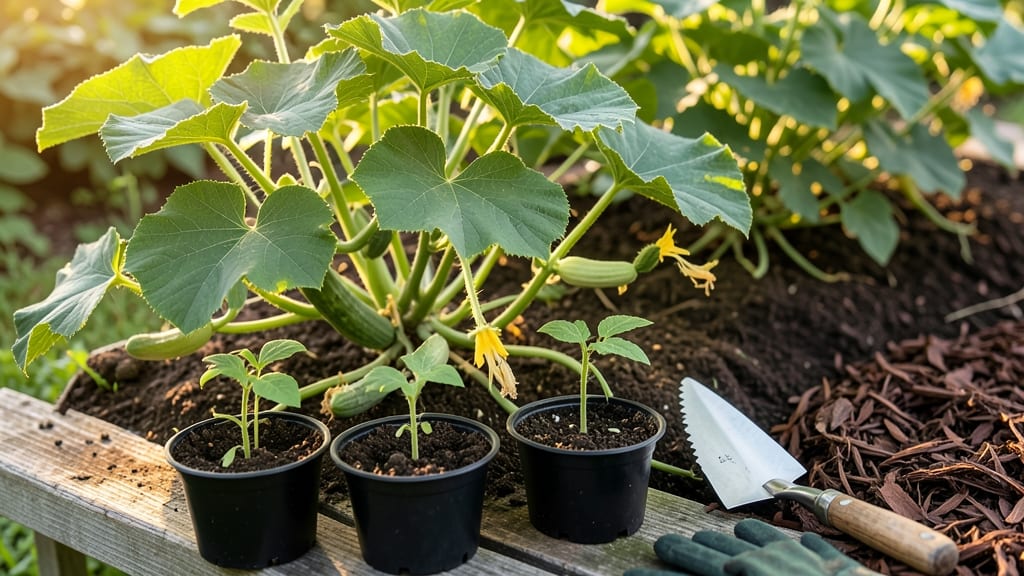
Planting cucumbers in North Florida at the right time means the difference between a bountiful harvest and wasted effort. With mid-March as your last frost date, you’ve got a 6-month window to grow these crisp, refreshing 🥒 plants—but timing is everything to avoid frost damage or scorching heat.
Most gardeners in zones 8a-9b start cucumbers in mid-February for early spring plantings, but the real sweet spot is March through May. This gives your vines time to establish roots before Florida’s summer heat kicks in, ensuring strong, productive plants that thrive in the humidity.
If you’re aiming for a fall harvest, late summer plantings in June or July work too—just choose heat-tolerant varieties like ‘Straight Eight’ or ‘Lemon Cucumber’ to beat the worst of the heat. The key is soil that’s warmed to at least 60°F, so don’t rush it.
I’ll break down the exact dates, soil prep tips, and how to stretch your growing season—so you can enjoy fresh cucumbers from April to October without the guesswork. Let’s get those seeds in the ground the right way!
North Florida cucumber planting calendar: exact dates by zone and variety
North Florida’s USDA Zones 8a-9b offer a 240-day frost-free window, but cucumbers thrive best when planted at the right time.
The last average frost date is mid-March, but soil temperatures must reach 70°F+ for germination—typically by late February to early March in Jacksonville and early to mid-March in Tallahassee.
For a spring harvest, plant cool-tolerant varieties like 'Straight Eight' or 'Marketmore' 2-3 weeks after your last frost date. For a summer harvest, opt for heat-resistant types like 'Lemon Cucumber' or 'Armenian' and plant late May to early June to avoid bolting in extreme heat.
Cucumbers are annual plants that grow 0.5–10 feet tall, depending on the variety. Bush varieties (0.5–2 ft) are ideal for containers, while vining types (6–10 ft) need trellises to save space and improve air circulation.
Here’s how to align your planting with North Florida’s microclimates and variety needs:
| Planting Window | Variety Type | Soil Temp Requirement | Best For | Notes |
|---|---|---|---|---|
| Late February – Early March | Cool-tolerant (e.g., 'Straight Eight') | 60–70°F | Spring harvest (April–May) | Use black plastic mulch to warm soil faster. |
| Early March – Mid-April | Standard (e.g., 'Marketmore') | 70–75°F | Summer harvest (June–July) | Stagger plantings every 2 weeks for continuous yield. |
| Late May – Early June | Heat-resistant (e.g., 'Lemon Cucumber') | 75–85°F | Fall harvest (August–October) | Avoid planting in peak July heat (bolting risk). |
| Mid-August – Early September | Succession varieties (e.g., 'Diva') | 70–75°F | Late fall harvest (September–October) | Use row covers to protect from early frost. |
Jacksonville’s warmer microclimate allows for earlier plantings (as early as late February), while Tallahassee’s cooler nights may delay germination until mid-March. Always check your local Almanac frost dates for precision.
To accelerate germination, use black plastic mulch or seedling trays indoors 3–4 weeks before your target outdoor date. Transplant seedlings when they’re 3–4 inches tall and hardy to avoid shock.
North Florida’s humidity and summer heat demand daily watering (1–1.5 inches per week) and morning irrigation to prevent fungal diseases like powdery mildew. Mulch heavily to retain moisture and regulate soil temperature.
Harvest cucumbers when they’re 6–8 inches long for slicing types or 4–6 inches for pickling. Use a sharp knife or pruners to avoid damaging vines, and pick in the morning for peak flavor and crispness.
How to extend your cucumber growing season in North Florida’s climate
North Florida’s short frost-free window means cucumbers can thrive year-round with the right strategies. I’ve grown heat-resistant varieties like 'Straight Eight' and 'Lemon Cucumber' for months beyond the typical harvest season. The key is season extension—whether through protective covers or staggered plantings.
Start by planting heat-tolerant varieties in late spring (May–June) for summer harvests. These varieties handle Florida’s 90°F+ temperatures better than traditional types. For a fall harvest, plant cool-season varieties like 'Marketmore' in early August to beat the first frost.
🌱
For fall harvests, plant 'Suyo Long' cucumbers in late July—they mature quickly and tolerate mild cool weather. I’ve seen 30% larger yields by combining row covers with drip irrigation during Florida’s unpredictable fall rains.
🌿
Don’t overlook container gardening for balconies or patios. Use 5-gallon pots with moisture-retentive soil and move them to shadier spots during peak afternoon heat. This lets you grow cucumbers even in urban microclimates where space is limited.
✅