
Plants
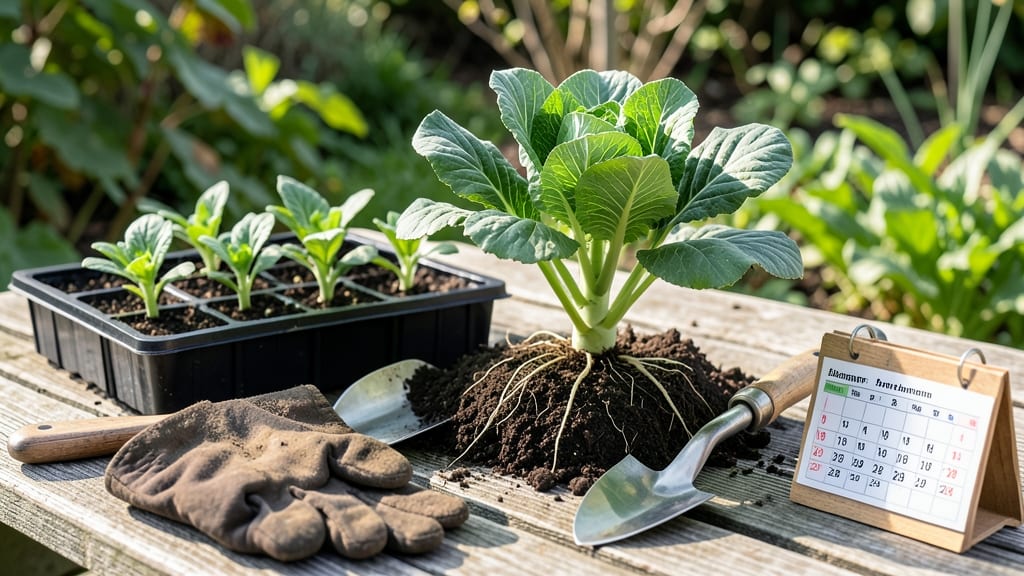
Planting 🥬 cabbage in Missouri at the wrong time can mean the difference between a bountiful harvest and a sad, wilted disappointment. The key isn’t just knowing when—it’s matching your variety to the 5b-6b zone’s frost dates, which shift dramatically from St. Louis to the Ozarks.
Most gardeners in Missouri make one of two mistakes: either rushing cabbage into the ground too early when soil temps are still chilly, or waiting until summer heat forces their plants to bolt before forming heads.
The solution? A precise window—March 15 to April 30 for spring plantings and August 1 to September 15 for fall—that aligns with your local last frost date.
I’ve grown 🥬 cabbage in Missouri for years, and the biggest game-changer was learning to treat early varieties (like January King) and late varieties (like Savoy) differently. Early types need to be in the soil 4-6 weeks before frost, while heat-tolerant ones can handle slightly warmer starts.
Let me show you exactly how to time it right for your region.
Ready to avoid the common pitfalls? You’ll discover how to read your local frost forecast, adjust for soil warmth, and even use row covers to extend your planting season.
By the end, you’ll know exactly when to put those cabbage seeds in the ground for a harvest that’ll make your neighbors jealous.
Missouri cabbage planting calendar: frost dates by region
Missouri’s USDA hardiness zones 5b-6b mean your cabbage planting window hinges on frost dates that vary by region. The average last spring frost ranges from mid-April in southern Missouri to late April in the Ozarks, while the first fall frost typically arrives between mid-October and early November.
These dates create a 165-day frost-free growing season—perfect for two cabbage harvests per year.
For spring cabbage, start seeds indoors 4-6 weeks before your last frost date (around February 15-March 1 for most of Missouri). Transplant seedlings outdoors 2-3 weeks before the last frost, ideally by March 15-April 15.
This timing ensures heads mature before summer heat stress sets in. In northern Missouri (zones 5a-5b), like in Kansas City or St. Joseph, aim for April 1 as your cutoff for spring planting.
Fall cabbage thrives when planted 8-10 weeks before the first frost. For most of Missouri, this means August 1-September 15.
Gardeners in southern Missouri (zones 6b-7a), such as those in Springfield or Poplar Bluff, can push planting to late September, while Ozarks growers (zones 5b-6a) should finish by mid-September to avoid early frost.
Here’s how Missouri’s regions break down for optimal cabbage planting:
| Region | USDA Zone | Last Spring Frost | First Fall Frost | Spring Planting Window | Fall Planting Window |
|---|---|---|---|---|---|
| Northern Missouri (Kansas City, St. Joseph) | 5a-5b | April 15-20 | October 10-15 | March 15-April 15 | August 15-September 1 |
| Central Missouri (Columbia, Jefferson City) | 6a | April 1-10 | October 15-20 | March 1-April 30 | August 1-September 15 |
| Southern Missouri (Springfield, Poplar Bluff) | 6b-7a | March 25-April 5 | October 25-November 5 | February 20-April 30 | July 15-September 30 |
| Ozarks (Branson, West Plains) | 5b-6a | April 10-15 | October 5-10 | March 15-April 15 | August 1-September 10 |
Missouri’s microclimates can shift frost dates by 1-
Best cabbage varieties for Missouri’s climate and when to plant them
Missouri’s diverse climate demands cabbage varieties that can handle both early spring frosts and late-summer heat. January King and Golden Acre are my top picks for cool-season planting, while Savoy and Red Express tolerate Missouri’s summer heat better.
Each variety has a specific planting window to maximize yield and avoid bolting.
For spring harvests, start seeds indoors 4-6 weeks before Missouri’s average last frost date (April 15). Transplant seedlings outdoors 2-3 weeks before the last frost for a head start.
Fall planting should begin 8-10 weeks before the first frost (October 15)
Here’s how the top varieties compare for Missouri’s unique growing conditions: For Missouri’s Ozark region, where nights stay cooler, you can extend the spring planting window by 2-3 weeks compared to St. Louis. Use row covers to protect seedlings from late frosts, especially in USDA Zone 6a areas. In Zone 7a (southern Missouri), focus on heat-tolerant varieties like Savoy or Red Express for summer planting. If you’re growing cabbage for fall harvests, prioritize varieties with 75-90 days to maturity to avoid winter’s early frost. Bok choy is my go-to for quick harvests—it matures in just 30-40 days, giving you multiple harvests throughout the season. Just remember to space plants properly (12-18 inches apart) to prevent disease spread in Missouri’s humid summers. For succession planting, sow new seeds every 2-3 weeks from March through May and again from July through August. This ensures a continuous harvest and reduces the risk of losing your entire crop to cabbage worms or disease outbreaks. Always choose varieties that match your planting window and Missouri’s climate challenges. 🥬
Variety
Days to Maturity
Best Planting Window
Missouri-Specific Notes
Heat Tolerance
January King
70-80 days
March 15 - April 15 (spring) or August 15 - Sept 1 (fall)
Early variety; risk of bolting in summer heat
Low
Golden Acre
65-75 days
March 1 - April 30 (spring) or July 15 - Aug 31 (fall)
Fast-growing; ideal for succession planting
Medium
Savoy
80-90 days
April 1 - May 15 (spring) or July 1 - Aug 15 (fall)
Crinkled leaves deter pests; handles summer heat better
High
Red Express
70-80 days
April 15 - May 30 (spring) or July 15 - Sept 1 (fall)
Heat-tolerant purple-red heads; great for late summer
High
Bok Choy
30-40 days
March 1 - Nov 1 (succession plant)
Fast-growing; perfect for Missouri’s short growing season
Medium