
Flowers
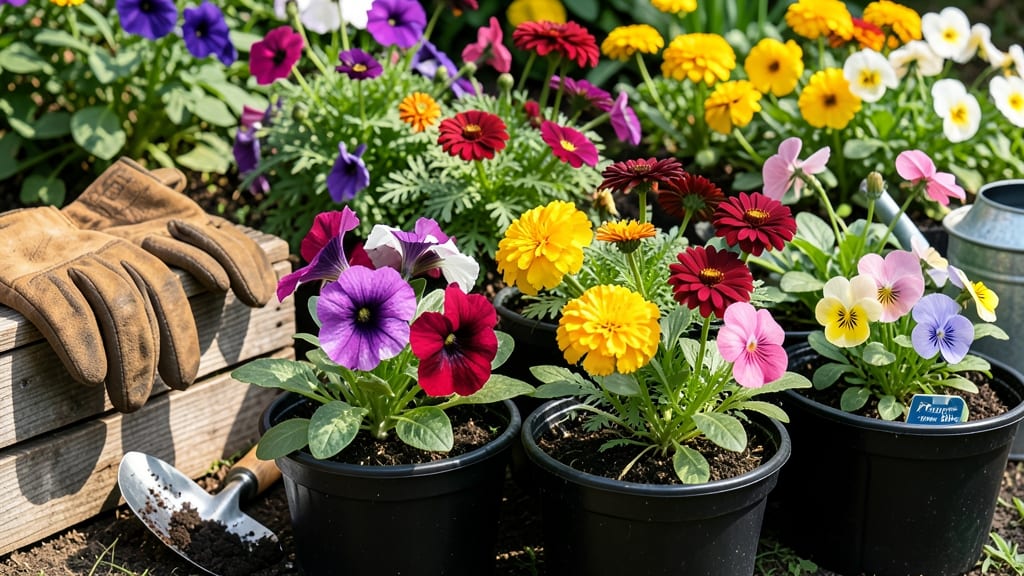
Planting flowers in Michigan isn't just about grabbing seeds and sticking them in the ground—it's about timing those first blooms to avoid the last frost that can turn your garden dreams into a sad, wilted mess.
The exact planting windows vary by zone, but knowing them means the difference between a vibrant summer garden and a season of disappointment.
Whether you're in USDA Zone 4a up north or Zone 6b down south, Michigan's climate throws curveballs with late frosts and unpredictable springs. I'll break down the best months to plant annuals, perennials, and bulbs so you can start strong and keep blooms coming all season long.
You'll discover how to adjust for Michigan's quirks—like using row covers for early starts or choosing heat-tolerant varieties for summer. No more guessing games; just a clear, zone-specific roadmap to a garden that thrives from May through October.
Let's get those flowers in the ground at the perfect time, because in Michigan, timing is everything when it comes to zero-frost success.
Michigan flower planting calendar by hardiness Zone (USDA 4a-6b)
Michigan spans USDA Zones 4a through 6b, meaning frost dates vary dramatically from northern UP (Zone 4a) to southern Lower Peninsula (Zone 6b).
The average last spring frost ranges from May 1-15 in the north to April 15-May 1 in the south, while first fall frost hits as early as September 15 in Zone 4a but waits until October 15 in Zone 6b.
To avoid frost damage, I recommend tracking your local frost-free date using the Michigan State University Extension's frost calendar. Planting too early in Zone 4a/5a risks losing delicate annuals, while Zone 6b gardeners can push spring planting into early April for hardy varieties.
Here’s how to align your planting with Michigan’s zones and seasonal shifts:
| Zone | Last Frost (Avg.) | First Frost (Avg.) | Spring Planting Window | Fall Planting Window |
|---|---|---|---|---|
| 4a (UP) | May 15-30 | Sep 15-Oct 1 | May 15-Jun 15 | Aug 1-Sep 15 |
| 5a (North) | May 1-15 | Sep 30-Oct 15 | Apr 20-May 30 | Aug 15-Sep 30 |
| 5b (Central) | Apr 25-May 10 | Oct 1-15 | Apr 15-May 20 | Sep 1-Oct 1 |
| 6a (South) | Apr 10-25 | Oct 15-30 | Apr 1-May 15 | Sep 15-Oct 15 |
| 6b (Southeast) | Apr 1-15 | Oct 30-Nov 15 | Mar 20-Apr 30 | Oct 1-Nov 1 |
*Adjust dates 1-2 weeks earlier for
Michigan’s late spring frosts and early summer heatwaves can throw off even the most careful planting schedule. I’ve learned the hard way—skipping a row cover in April or planting tender annuals too early means wilted dreams by June. The key is flexibility: knowing how to shift planting windows by 2-4 weeks based on your microclimate and weather forecasts. Your USDA zone (4a-6b) gives a starting point, but local frost dates vary wildly. For example, Traverse City (Zone 5b) might see its last frost by May 10, while Detroit (Zone 6a) could be frost-free by April 25. Always check the National Weather Service for your county’s 10-year frost averages—they’re your new planting bible.How to adjust planting dates for Michigan’s unpredictable weather
For heat-loving flowers like marigolds or zinnias, wait until the soil temperature hits 60°F—use a soil thermometer to avoid blossom drop. In Zone 4a, this might mean pushing your summer planting to June 1 instead of May.
Conversely, cool-season crops like calendulas thrive when days are 55-65°F, so plant them in early September for fall blooms.
Timing also depends on your flower type. Bulbs like tulips need chilling—plant them in fall (October-November)—while annuals like petunias can’t handle below 40°F.
My Zone 5b garden gets geraniums in the ground after Memorial Day, but I start them indoors in March to beat the rush.
If you’re in Zone 6b (like Southeast Michigan), you might squeeze in two planting seasons: early spring (March-April) for cold-hardy annuals and late summer (August-September) for fall-blooming perennials.
I’ve had cosmos and asters thrive when planted in early August—their long taproots help them survive early frosts.
For container gardening, adjust your timeline by 1-2 weeks earlier—pots heat up faster than soil, giving tender roots a head start. Just monitor moisture levels closely, as containers dry out 3x faster in Michigan’s windy summers.
🌷