
Planting
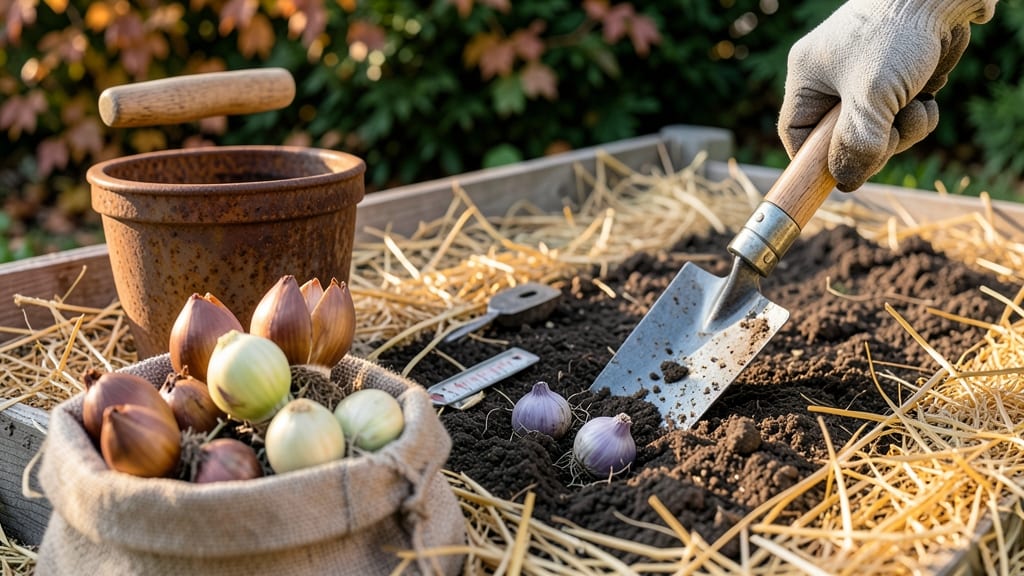
Planting your 🌷 flower bulbs at the wrong time in fall can mean the difference between a showstopping spring garden and a sad, frozen disappointment. The secret to success?
Getting them into the ground 4-6 weeks before your first frost—when soil temperatures drop below 60°F but before Jack Frost locks things up for winter.
I’ve learned the hard way that rushing too early or waiting too late throws off the delicate balance these bulbs need to establish strong roots. Whether you’re in Zone 6a or further south, timing isn’t just about the calendar—it’s about reading your soil and climate.
Let’s break down exactly when and how to plant for the most vibrant blooms next spring.
Most gardeners focus on the when, but the how matters just as much. From choosing the right bulbs (tulips, daffodils, hyacinths) to preparing your soil and protecting them through winter, every step counts.
I’ll walk you through the easiest, most foolproof methods to ensure your bulbs thrive—no green thumb required.
Ready to skip the guesswork? By the end of this guide, you’ll know exactly when to dig, how deep to plant, and what to do if your fall season runs long or short.
Let’s get those 🌷 flower bulbs in the ground the right way—so you can enjoy the payoff come spring.
The 6-Week pre-frost rule: exact timing for flower bulbs by region
Planting flower bulbs in the fall is all about timing—specifically, the 6-week window before your first frost. This rule ensures bulbs establish strong roots before winter dormancy. For example, in USDA Zone 6a, where I garden, that means aiming for mid-September to early October.
But if you live in Zone 8 or warmer, you might plant as late as December.
Every region has a unique frost date, so check your local National Weather Service or Almanac frost calendar. For instance, Zone 3 gardeners should plant by late August, while Zone 10 can wait until November.
The key is soil temperature, which should drop below 60°F—this triggers root growth before the ground freezes.
Here’s the golden rule: Plant bulbs when daytime temps average 60-70°F and nights dip below 50°F. This balance helps bulbs root without sprouting too early. For instance, tulips and daffodils thrive when planted in cool but workable soil, while hyacinths prefer slightly warmer conditions.
Pro tip: Use a soil thermometer to confirm readiness. Stick it 4 inches deep—the depth where bulbs will sit. If it reads below 60°F consistently for a week, it’s time to plant. In my experience, this usually aligns with mid-to-late October in most of the U.S.
Let’s break down the ideal planting window by popular bulbs and zones. This summary table will help you visualize the perfect timing for tulips, daffodils, crocus, and hyacinths across USDA Zones 3-10:
| Bulb Type | USDA Zones | Ideal Planting Window | Soil Temp Threshold | Notes |
|---|---|---|---|---|
| Tulips | 3-8 | Mid-September to October | <60°F | Plant 6 inches deep; needs well-draining soil. |
| Daffodils | 3-10 | October to November | <55°F | Deer-resistant; plant 6-8 inches deep. |
| Crocus | 3-9 | September to October | <50°F | Early bloomer; plant 3-4 inches deep. |
| Hyacinths | 4-8 | October to November | <55°F | Fragrant; plant 6 inches deep in clusters. |
| Alliums | 3-10 | September to October | <60°F | Drought-tolerant; plant 8 inches deep. |
If you’re unsure about your frost date, use the Almanac’s Frost Calculator or ask your local cooperative extension office. For example, in Zone 5, where frosts can hit as early as October 15, I plant tulips by September 20 to ensure they root before the ground freezes.
Meanwhile, in Zone 9, I might wait until November.
One common mistake is planting too early when soil is still warm. This can cause bulbs to sprout prematurely and get damaged by early frosts. Conversely, planting too late risks bulbs not developing enough roots before winter. The 6-week rule balances these risks perfectly.
For container gardening, the timing is similar, but you’ll need to protect pots with mulch or move them to a garage or cold frame if temps drop below 20°F. I’ve had great success with potted daffodils on my porch, wrapped in burlap during harsh winters.
Remember, soil temperature matters more than air temperature. A soil thermometer is your best friend here. If you’re in doubt, err on the earlier side—bulbs can wait a few weeks in a cool, dry place if needed, but they won’t recover if frozen before rooting.
The 6-Week pre-frost rule: exact timing for flower bulbs by region
Fall planting success hinges on one golden rule: plant your flower bulbs 4-6 weeks before your first frost. This window gives roots time to establish at 50-60°F soil temperatures—ideal for tulips, daffodils, and hyacinths to anchor before winter.
In Zone 6a, that typically means late September to mid-October, but your exact timing depends on your local frost date.
I’ve seen gardeners in Zone 3 plant as early as late August, while those in Zone 10 might wait until December. The key is matching your soil’s readiness to your climate.
Use the National Weather Service frost predictor or your local cooperative extension office for precise dates—don’t guess! Even a 10-day delay can mean bulbs that never bloom.
Here’s how to calculate your perfect window: Subtract 6 weeks from your average first frost date (find yours on the USDA Plant Hardiness Zone Map). For example, if frost hits November 15 in your area, aim to plant by October 1.
Pro tip: Check soil temps with a soil thermometer—below 60°F signals it’s time to plant.
| USDA Zone | Ideal Planting Window | Soil Temp Threshold | Example Bulbs |
|---|---|---|---|
| Zones 3-5 | Late August - Early October | 50-60°F | Tulips, Daffodils, Crocus |
| Zones 6-7 | Mid-September - Mid-October | 55-60°F | Hyacinths, Alliums, Snowdrops |
| Zones 8-10 | October - December | 60-65°F | Lilies, Fritillaries, Rain Lilies |
🌱 Note: Adjust for early/late frosts—always prioritize soil temp over calendar dates.
Don’t let late fall rains or unpredictable weather throw you off. If your soil stays too warm (above 60°F), bulbs may sprout too early and get damaged by frost.
In Zone 6a, I’ve planted as late as November 1 when temps dropped suddenly—just cover them with straw mulch for extra protection. The goal is root establishment, not blooming—your bulbs will wait patiently until spring.
For container gardening, the rules shift slightly. Potted bulbs need 6-8 weeks of chill time (40-50°F), so plant them 2 weeks earlier than in-ground bulbs. Move containers to a garage or cold frame if frost threatens.
I’ve had great luck with daffodils in pots on my patio—just remember to water sparingly in winter to prevent rot.
Pro move: Mark your planting dates on a garden calendar and set reminders. I use colored flags on my fence to track progress—red for planted, yellow for mulched, green for done.
This keeps me from missing the window or over-planting. With the right timing, your 🌷 flower bulbs will reward you with bold, early spring color—worth every bit of planning!