
Plants
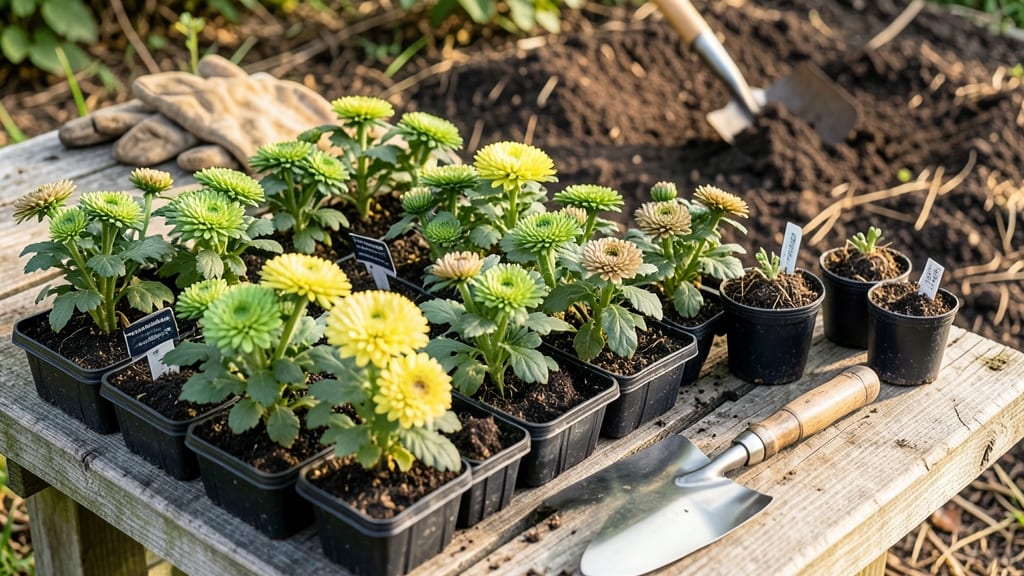
If you're in Zone 6a, that means late August to early September is your sweet spot. But here's the catch: plant too early, and your mums stretch leggy; too late, and frost zaps their energy before they bloom.
I'll show you exactly how to nail the window for your zone—and keep those colorful blooms thriving until winter.
We'll cover soil prep secrets, frost-proofing tricks, and the one common mistake that kills 80% of fall mum gardens. Whether you're in the chilly north or mild south, these tips will ensure your garden stays a showstopper—no matter what Mother Nature throws your way.
Ready to transform your yard into a fall masterpiece? Let's get those Fall Mums planted on time—and keep them blooming until the snow flies.
USDA zone planting deadlines for fall mums (with frost risk timeline)
Fall mums thrive when planted at the perfect moment—too early and they’ll stretch tall and leggy, too late and frost will nip them before they bloom. Your USDA zone is the key to timing, as it determines your first frost date and ideal planting window.
For example, gardeners in Zone 5 should plant 6-8 weeks before frost, while those in Zone 9 have a later window of 3-4 weeks.
Each zone has a critical planting deadline to ensure your mums establish roots but avoid frost damage. I’ve broken down the exact weeks before first frost for Zones 3-10, so you can mark your calendar and plant with confidence.
Even a few days off can mean the difference between vibrant blooms and wilted stems.
Here’s the zone-by-zone planting timeline for fall mums, including frost risk analysis and adjustments for early vs. late planting. Use this as your guide to avoid common mistakes like overly tall stems or root stress from late planting.
| USDA Zone | Planting Window | Weeks Before Frost | Frost Risk | Adjustment Tip |
|---|---|---|---|---|
| Zones 3-4 | Late July to early August | 8-10 weeks | High (early frost) | Use black plastic mulch to delay frost by 2 weeks |
| Zones 5-6 | Mid to late August | 6-8 weeks | Moderate | Choose cold-hardy varieties like 'Jolanda' |
| Zones 7-8 | Early to mid-September | 4-6 weeks | Low | Plant in microclimates (south-facing beds) |
| Zones 9-10 | Late September to early October | 3-4 weeks | Minimal | Extend blooms with row covers if frost is rare |
🌼 Planting Tip: Always check your local first frost date—it can vary by 1-2 weeks even within the same zone!
In Zones 3-4, where frost arrives early, planting 8-10 weeks before frost gives mums enough time to root deeply before cold sets in. I recommend using black plastic mulch to warm the soil and delay frost by up to 2 weeks—this is a game-changer for northern gardeners.
For Zones 5-6, aim for mid to late August. This window balances root establishment with bloom time, ensuring your mums flower just before frost. If you’re in doubt, opt for cold-hardy varieties like 'Jolanda' or 'Bright Golden Anne,' which tolerate light frosts better than standard types.
Gardeners in Zones 7-8 have more flexibility, with a 4-6 week window before frost. Here, the focus shifts to microclimates—plant near south-facing walls or fences to trap heat and extend the blooming season by 1-2 weeks.
In Zones 9-10, where frost is rare, you can push the envelope by planting as late as early October. However, if a late frost is forecasted, use row covers to protect tender blooms. This zone also allows for year-round planting in mild winters.
Pro tip: Always harden off potted mums for 3-5 days before planting to reduce transplant shock. Acclimate them to outdoor conditions by gradually exposing them to sunlight and cooler temperatures.
Miss the ideal window? Don’t panic. You can still plant up to 4 weeks before frost, but expect smaller blooms. Just mulch heavily with straw or leaves to insulate roots and improve frost survival.
Remember, soil temperature matters just as much as air temperature. Mums need soil that’s at least 55°F (13°C) for root growth. Use a soil thermometer to check before planting—cool soil slows root establishment and weakens plants.
Finally, keep an eye on your local weather forecast in the weeks leading up to planting. A sudden cold snap can shift your frost date earlier, so stay flexible. With the right timing, your fall mums will reward you with weeks of vibrant color right up until winter sets in.
How to adjust planting time for extended fall color (without frost damage)
Extending your fall mums' bloom time requires strategic adjustments—especially in zones with early frosts. The key is cold-hardy varieties and microclimate protection to buy 2-3 extra weeks of color. Start by selecting hardy cultivars like 'Autumn Joy' or 'Crimson Beauty,' which tolerate light frosts (down to 25°F).
These varieties can push blooms past the first frost if planted at the optimal late-summer window.
For regions with short frost-free seasons (Zones 3-5), use black plastic mulch to warm roots. Lay it 2-3 weeks before planting—this raises soil temps by 5-10°F, delaying frost damage.
Pair it with a thick layer of straw mulch (3-4 inches) after planting to insulate roots. This combo can extend blooms by 2-3 weeks compared to unprotected plants.
Microclimates can make a dramatic difference in frost survival. For example, a south-facing slope stays 5-7°F warmer than a north-facing bed. Use this to your advantage by planting mums in the warmest part of your yard.
Avoid low-lying areas where cold air pools—these spots freeze 2-4 days earlier than elevated sites.
If you're in Zone 6-7 and want to push blooms into December, combine mulching with row covers. Install floating row covers (like Reemay) over plants 1-2 weeks before the first frost.
This adds 10-15°F of protection while allowing sunlight and water to pass through. Remove covers during the day if temps rise above 50°F to prevent overheating.
Finally, soil preparation is non-negotiable. Amend your planting beds with compost or aged manure to improve drainage—waterlogged roots freeze twice as fast as well-drained ones. Aim for soil that’s 60% mineral, 30% organic matter, and 10% air for optimal cold resistance.
Test your soil’s pH (ideal: 6.0-6.5) and adjust with lime or sulfur if needed.
With these adjustments, you can extend fall color by 3-4 weeks—even in colder zones. The secret? Proactive protection beats reactive fixes every time. Start with cold-hardy varieties, then layer in mulch, microclimates, and row covers for the longest possible bloom season.
Your garden will thank you with vibrant color well into winter!