
Plants
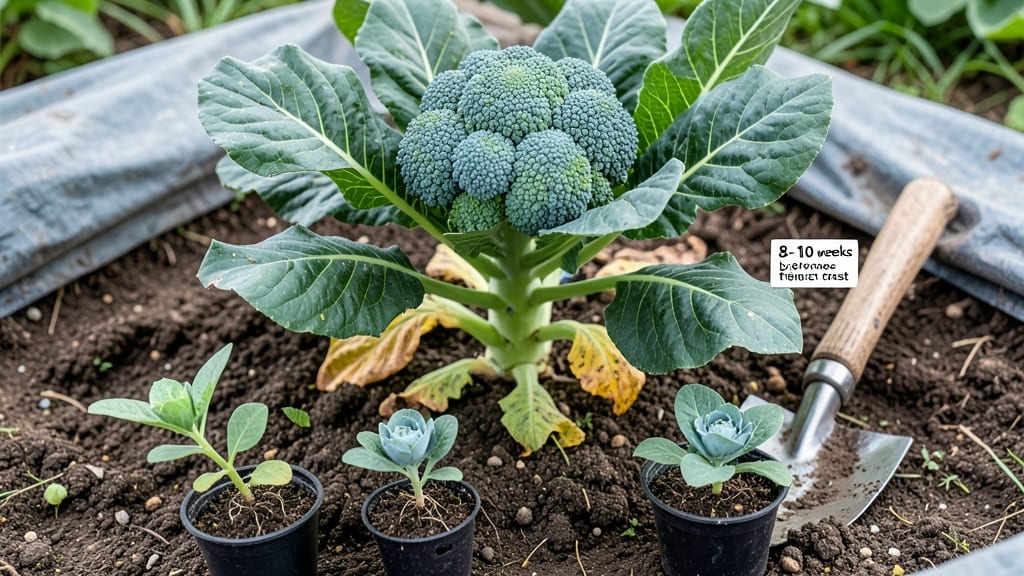
Planting fall broccoli in Zone 6 at the right time means the difference between a bumper crop of crisp 🥦 heads and a sad, bitter harvest—or worse, no harvest at all.
The key window is 4-6 weeks before your first frost, typically August through early September, when soil temperatures stay above 40°F but nights start to cool.
If you get this wrong, you might end up with broccoli that bolts too early or struggles in the cold.
But don’t worry—I’ll walk you through exactly when to plant, whether you’re starting seeds indoors or sowing directly, and how to time it so your plants mature just before winter sets in.
You’ll also discover how to extend your harvest beyond the first frost with simple tricks like row covers and cold-hardy varieties. By the end, you’ll have a foolproof plan to grow broccoli that’s ready to pick in October and November, just when your garden needs a little extra flavor.
The best part? This method works even if you’re new to gardening. With the right timing and a few easy care steps, you’ll be enjoying homegrown 🥦 long after store-bought options disappear from the shelves.
Zone 6 fall broccoli planting timeline: exact dates for success
In Zone 6, fall broccoli thrives when planted during a 4-6 week window before your first frost. This means timing is critical—too early, and your plants bolt; too late, and they won’t mature before cold snaps.
The ideal window is typically mid-August to early September, but your exact dates depend on your local frost date.
First, check your USDA Plant Hardiness Zone 6 frost dates. Most locations experience their first frost around mid-October. Counting backward 4-6 weeks gives you a planting window of late August to early September.
For example, if your frost date is October 15, plant between September 1-15 for a harvest before winter sets in.
For direct sowing, aim for mid-August when soil temperatures drop below 80°F but stay above 40°F. This cooler soil prevents bolting while allowing seedlings to establish. If you’re using transplants, start them indoors 6-8 weeks before your target transplant date—usually late July for a mid-August move.
| Stage | Action | Notes |
|---|---|---|
| Soil Prep | Test pH (6.0-7.0), amend with compost | Add aged compost for nutrients |
| Seed Starting (Indoors) | Late July (6-8 weeks before transplant) | Use seed trays, keep at 65-75°F |
| Transplant Outdoors | Mid-August to early September | Hardening off for 1 week first |
| Direct Sowing | Mid-August (soil 40-80°F) | Sow 1/4" deep, 18" apart |
| Harvest Window | October-November (before hard frost) | Cut heads 5-7" from base |
Your soil temperature is the next critical factor. Broccoli seeds germinate best in soil between 40-80°F. If your soil is warmer than 80°F in late summer, wait until temperatures drop naturally or use shade cloth to cool the soil.
Conversely, if temperatures drop below 40°F, your seeds won’t sprout—so avoid planting too early.
For transplants, choose compact varieties like ‘De Cicco’ or ‘Waltham 29’ to maximize space and cold tolerance. Space plants 18-24 inches apart in rows 30 inches apart to allow airflow and reduce disease risk.
If you’re direct sowing, thin seedlings to 12-18 inches apart once they’re 2-3 inches tall to prevent competition.
Pro tip: Use a frost calendar from your local Cooperative Extension Service for precise dates. Even a 2-week delay can mean the difference between a full harvest and stunted growth.
For example, planting on September 15 in Zone 6b (where frost hits October 20) gives you a 5-week growing window—just enough for mature heads.
After planting, focus on consistent moisture and mild fertilizer. Water deeply 1-2 inches per week, keeping soil evenly moist but not soggy. Apply a balanced 10-10-10 fertilizer every 3-4 weeks to encourage strong growth without promoting rapid bolting.
Mulch with straw or shredded leaves to retain moisture and insulate roots as temperatures drop.
Watch for cabbage worms and aphids, which thrive in fall broccoli. Use row covers or neem oil to protect plants without harsh chemicals. If you notice yellowing leaves or small holes, act quickly—these pests can defoliate plants in days.
With the right timing, your Zone 6 fall broccoli can produce crisp, flavorful heads well into November. The key is planting 4-6 weeks before frost, monitoring soil temps, and giving plants the care they need to thrive in cooler weather. Start now, and you’ll be harvesting by autumn!
Zone 6 fall broccoli planting timeline: exact dates for success
Timing your fall broccoli in Zone 6 is all about that 4-week pre-frost window. For most of Zone 6, this means aiming for mid-August to early September transplants or direct sowing.
Why? Because broccoli needs 60-80 days to mature, and you want those heads ready before the first 28°F frost hits.
First, check your local frost dates using the USDA Plant Hardiness Zone Map or your local cooperative extension service. In most of Zone 6, the average first frost arrives around October 15.
Count backward 4-6 weeks—that’s your planting window. For example, if frost hits October 15, plant by September 1-15 for a reliable harvest.
📅 Zone 6 Fall Broccoli Planting Timeline
| Stage | Action | Notes |
|---|---|---|
| 4-6 Weeks Before Frost | Transplant seedlings or direct sow | Soil temp: 40°F+ |
| 60-80 Days After Planting | Harvest mature heads | Before 28°F frost |
| Late August | Start seeds indoors (if transplanting) | Use grow lights for seedlings |
For direct sowing, start seeds in late July to early August so they’re ready to transplant by mid-August. If you’re using transplants, buy 6-week-old seedlings from nurseries in early August. Either way, avoid planting after September 15—your broccoli won’t have enough time to mature before frost.
Pro tip: Soil temperature matters just as much as air temperature. Broccoli seeds won’t sprout well in soil below 40°F. Use a soil thermometer to confirm your garden bed is ready. If it’s cooler, wait a few days or use black plastic mulch to warm the soil faster.
Once planted, give your broccoli full sun (6+ hours daily) and consistent moisture. Water deeply in the morning to prevent fungal diseases like downy mildew, which thrives in damp leaves. Mulch around plants to retain moisture and regulate soil temperature.
Don’t forget to fertilize lightly after transplanting with a balanced 10-10-10 fertilizer. This encourages strong root growth without promoting excessive leafy growth, which can happen if you over-fertilize in warm soil. Aim for a 1 tbsp per plant applied 2-3 weeks after transplanting.