
Plants
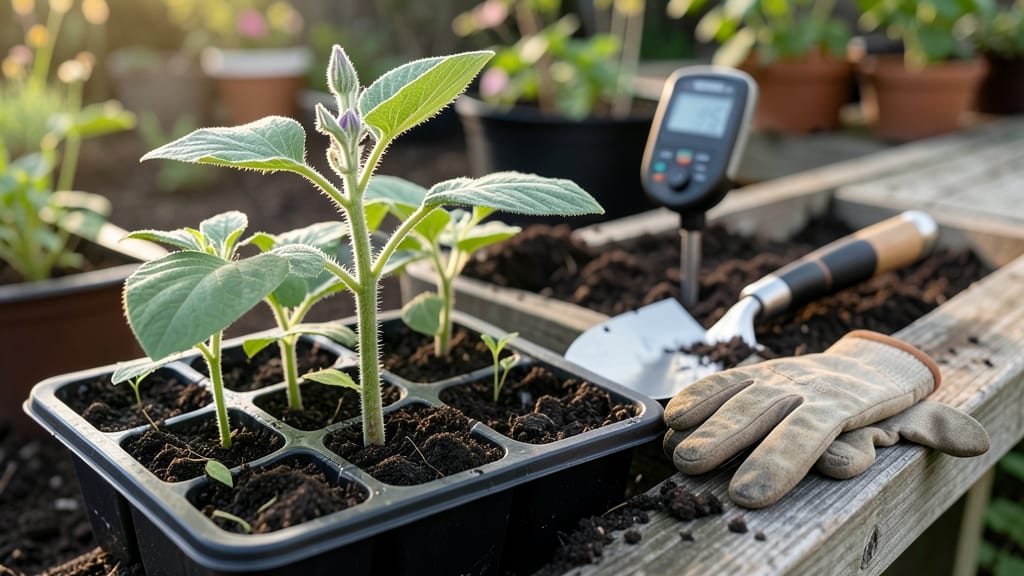
Timing your eggplant planting in Louisiana isn’t just about avoiding frost—it’s about beating the heat before your 🍆 plants bolt into oblivion.
The 8a-9b zones here mean you’ve got a narrow window between March’s last frost and June’s scorching sun, where soil temps must hit 70°F or your transplants will sulk.
Miss that sweet spot, and you’re stuck with stunted growth or bitter fruit—unless you play the fall game. August-September plantings can still yield a harvest before November’s first frost, but only if you use black plastic mulch to keep roots cool.
The trick? Start seeds indoors 6-8 weeks before your target date, because Louisiana’s humidity turns direct sowing into a gamble.
I’ve grown eggplants here for years, and the key is matching varieties to your heat zone. Early-season types like ‘Black Beauty’ need cooler soil, while ‘Ichiban’ thrives in the furnace of July.
Want to learn how to stretch your season? We’ll cover mulching, shade tricks, and the best companion plants to keep pests at bay—so your eggplants don’t become a buffet for squash bugs.
Whether you’re a first-time gardener or a veteran with blistered hands, this guide cuts through the guesswork. Let’s turn your Louisiana garden into an eggplant powerhouse—no more wasted seeds or sad, sunburned plants.
Louisiana eggplant planting calendar by heat zone: exact dates for zero-frost survival
Louisiana’s USDA zones 8a-9b create a unique challenge for eggplant growers—too early, and your plants wilt in spring’s lingering chill; too late, and summer’s brutal heat stresses young seedlings. The key? Planting when soil temperatures hit 70°F+ and aligning with your specific heat zone’s frost-free averages.
In northern Louisiana (zone 8a), aim for April 15-May 15 for transplants, while southern zones (9b) can start as early as March 1.
Eggplants are heat-loving annuals that thrive in Louisiana’s long summers, but they’re frost-sensitive. The average last frost date in Louisiana is March 15, but soil may remain cold for weeks afterward.
Always wait 2-3 weeks post-frost to ensure stable temperatures. For direct sowing (less common due to slow germination), wait until soil reaches 75°F+, typically late May in most regions.
Here’s the critical timeline: Transplants should go in after soil warms, while seeds need 8-10 weeks of warm weather to mature. Louisiana’s 240 frost-free days allow for two planting windows—spring and fall—but spring is riskier due to unpredictable weather.
Start seeds indoors 8-10 weeks before your last frost date for a head start.
| Heat Zone | Last Frost Date | Transplant Window | Direct Sow Window | Soil Temp Threshold |
|---|---|---|---|---|
| 8a (North LA) | March 15 | April 15-May 15 | Late May-June | 70°F+ |
| 9a (Central LA) | March 1 | March 15-April 30 | April 15-May 15 | 70°F+ |
| 9b (South LA) | February 15 | February 28-April 15 | March 15-April 30 | 70°F+ |
For early varieties (like 'Black Beauty'), transplant in March-April to beat summer’s peak heat. Late varieties (such as 'Ichiban') can handle June planting and thrive through October harvests.
Louisiana’s humidity also demands well-draining soil—amend with compost to prevent root rot, a common issue in the state’s clay-heavy soils.
If you’re planting for a fall harvest, aim for August-September transplants. Eggplants need 75-90 days to mature, so time it so harvests occur before November’s first frost. Use row covers or cold frames to extend the season if needed.
One Louisiana-specific trick? Shade cloth for young plants in April-May protects them from hot afternoon sun while soil warms. Remove it once plants are established to encourage full sun exposure, which boosts fruit production.
Pair eggplants with basil or marigolds to deter pests like flea beetles, which thrive in Louisiana’s heat.
Miss the spring window? No problem—Louisiana’s climate allows for succession planting every 2-3 weeks through June. Just ensure soil stays consistently warm, and avoid planting too late in summer when day lengths shorten, slowing growth.
For container growers, use 5-gallon pots and place them in full sun areas to mimic in-ground conditions.
Remember: Soil temperature matters more than air temperature. Use a soil thermometer to confirm readiness—eggplants won’t germinate or thrive in cold soil. In Louisiana’s humid climate, mulch heavily to retain moisture and regulate temperature.
With these heat-zone hacks, you’ll avoid the pitfalls of Louisiana’s unpredictable springs and early autumn frosts.
🌡️ Key Takeaway: Plant eggplants when soil hits 70°F+, 2-3 weeks after last frost, and choose varieties suited to your heat zone’s 240 frost-free days for maximum yield.
When to plant eggplant in Louisiana for fall harvests: avoiding early freezes
Fall eggplant planting in Louisiana is all about working with the state’s unpredictable transition seasons. While summer heat may seem ideal, the real magic happens in late August through September, when soil temperatures start cooling but remain warm enough for growth.
This window lets you harvest before November’s first frost, which typically hits around November 15 in most regions.
For a successive harvest, stagger plantings every 2-3 weeks starting in late August.
This ensures a steady supply of eggplants while avoiding the risk of a single planting getting wiped out by an early cold snap. Cold-hardy varieties like ‘Rosa Bianca’ or ‘Ichiban’ are your best bets—they tolerate 50°F soil temps better than traditional types.
📅 Late August – Start first planting
Choose transplants over seeds for faster growth. Harden off seedlings for 7-10 days before transplanting.
🌡️ Soil temp ≥60°F – Verify with a thermometer
Cold soil slows growth. Use black plastic mulch to retain heat if temps dip below 65°F.
🌱 September 15 – Second planting for extended harvest
Aim for 80-day varieties to mature before November 15. Space plants 18-24 inches apart.
🛡️ October 1 – Protect from early frosts
Use row covers or cold frames if temps drop below 55°F at night.
🍆 October-November – Harvest before frost
Pick when fruit is firm and glossy. Stop harvesting 2 weeks before the first expected frost.
Louisiana’s humidity and heat can accelerate eggplant growth in fall, so monitor plants closely. Overwatering is a common mistake—reduce frequency to every 5-7 days as temps drop, and always water at soil level to avoid fungal diseases like powdery mildew, which thrives in damp conditions.
For container growing, use 5-gallon pots with drainage holes and plant one eggplant per container. Move pots to a sunny patio during the day and bring them indoors or under a frost cloth at night if frost threatens.
This method lets you extend the season by 2-3 weeks compared to in-ground planting.
Don’t forget to feed lightly in early fall to support root growth. Use a balanced 10-10-10 fertilizer at half strength every 4-6 weeks until mid-October. After that, reduce feeding to avoid tender new growth that’s vulnerable to frost.
With these strategies, you’ll turn Louisiana’s fall transition season into a golden harvest window for eggplants—no frost damage in sight! 🌿