
Plants
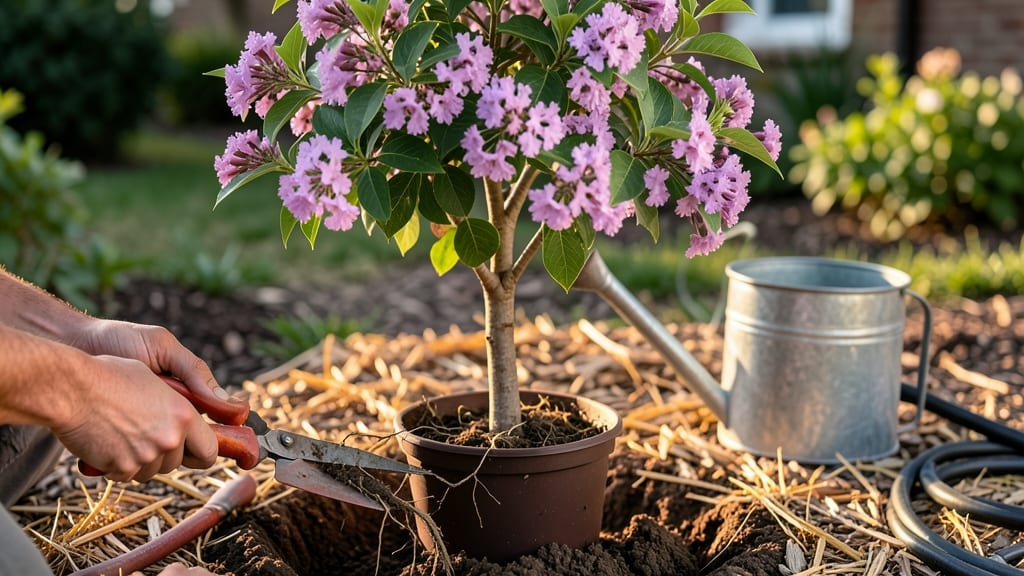
To plant crape myrtle in Texas without risking frost damage or summer stress, timing is everything—especially when you're dealing with USDA zones 8a-10b and unpredictable weather shifts.
One wrong move, and your 🌸 crape myrtle could struggle to take root before the heat hits hard, leaving you with a sad, stunted shrub instead of the vibrant focal point you envisioned.
Texas gardeners know the drill: plant too early, and a late frost can wipe out your new tree. Too late, and your crape myrtle might wilt under the relentless summer sun before it even gets a chance to establish strong roots.
The sweet spot? Late winter to early spring, when soil temperatures rise above 60°F and the last frost date has passed—but not by much.
I’ve dug into the data from Texas A&M AgriLife and local nurseries to pinpoint the exact window that works for North, Central, and South Texas.
Whether you’re in the Hill Country or the Gulf Coast, this guide will help you avoid common mistakes and give your crape myrtle the best shot at thriving in your yard.
Ready to plant? I’ll walk you through the ideal transplant months, how to prep your soil, and the post-planting care tricks that’ll keep your tree happy through Texas’ brutal summers. Let’s get started.
Texas heat-Zone planting calendar for crape myrtle success
Texas’ diverse climate zones mean the perfect crape myrtle planting window shifts dramatically from North Texas to the Rio Grande Valley.
In Zone 8a (Panhandle), wait until mid-April to avoid late frosts, while Zone 10b (South Texas) gardeners can plant as early as February—but timing still matters to prevent heat stress in young roots.
Crape myrtles thrive when planted after soil temperatures hit 60°F+ and frost risk drops below 10%. For most Texans, this lands in March, but container planting extends your window by 2-4 weeks—ideal for urban heat islands or microclimates with delayed spring warming.
🌸
| Texas Region | USDA Zone | Last Frost Date | Ideal Planting Window | Soil Temp Threshold |
|---|---|---|---|---|
| North Texas (Dallas/Fort Worth) | 8a-8b | Mid-March | Late March to Early April | 60°F+ |
| Central Texas (Austin/San Antonio) | 8a-9a | Early March | March (avoid late frosts) | 60°F+ |
| South Texas (Houston/Corpus Christi) | 9a-9b | Late February | February-March | 60°F+ |
| West Texas (El Paso/Midland) | 8a-8b | Mid-April | April-May | 65°F+ (drier climate) |
| East Texas (Tyler/Beaumont) | 8a-8b | Early March | March (humid conditions) | 60°F+ (amend clay soil) |
For container-grown crape myrtles, Texas A&M AgriLife recommends planting 2-4 weeks earlier than in-ground trees. Containers warm faster, so North Texans can start in late February if using 5-gallon pots or larger. Just ensure pots have drainage holes—Texas clay soil’s waterlogging is just as deadly in containers.
Pro tip: Use a soil thermometer ($10 at nurseries) to confirm 60°F+ soil temps. Stick it 6 inches deep in your planting spot for 3 consecutive days—this beats guessing. In urban areas, sidewalks and buildings can create microclimates that warm 1-2 weeks earlier than rural zones.
Avoid May planting unless you’re in South Texas (Zone 10a+). Young crape myrtles planted in peak summer heat suffer from transplant shock and root rot in Texas’ 90°F+ soils.
If you miss the spring window, fall planting (September-October) is your second chance—just water daily for 2 weeks post-planting.
🌡️
Texas’ extreme heat also affects bare-root crape myrtles. If ordering from online nurseries, plant bare-root trees as soon as they arrive—even in winter—and water deeply to encourage root establishment before spring.
For containerized trees, remove the pot 24 hours before planting to prevent root circling, a common issue in Texas’ compacted clay.
Lastly, prune back leggy branches by 1/3 at planting to reduce water loss. This mimics Texas’ natural pruning from late frosts and helps young trees focus energy on root growth rather than top-heavy foliage.
Pair this with 2-3 inches of mulch (pine straw or shredded bark) to lock in moisture and regulate soil temps.
☀️
Signs your Texas soil is ready for crape myrtle planting
Before digging in, check your soil temperature—crape myrtles need 60°F or warmer to thrive. Stick a soil thermometer 4 inches deep; if it’s below this, wait.
Texas’ clay-heavy soil can also trap moisture, so test drainage by pouring water into a hole. If it drains in 2-4 hours, you’re good to go.
Next, assess moisture levels. Stick your finger in the soil—if it feels damp but not soggy, your crape myrtle will love it. Overly dry soil?
Water deeply for 3 days before planting to prep the ground. Avoid planting when soil is waterlogged, as roots need air to grow.
🌱
If your Texas clay soil fails the drainage test, amend it with compost or sand to improve airflow. For acidic soil (pH below 5.5), mix in lime to raise the pH. Crape myrtles prefer slightly acidic to neutral soil, so aim for a pH of 5.5-6.5.
Grab a soil test kit from your local nursery for precise readings.
Finally, scan the area for existing pests. Look for grubs or termites—these can damage young roots. If you spot them, treat the soil with an organic insecticide like neem oil before planting. A pest-free zone ensures your crape myrtle starts strong without competition.
Once your soil passes these checks, it’s time to plant! Early March is ideal for most of Texas, but adjust for your last frost date. In North Texas, wait until after February 15, while South Texas gardeners can plant as early as January 15.
🌿