
Plants
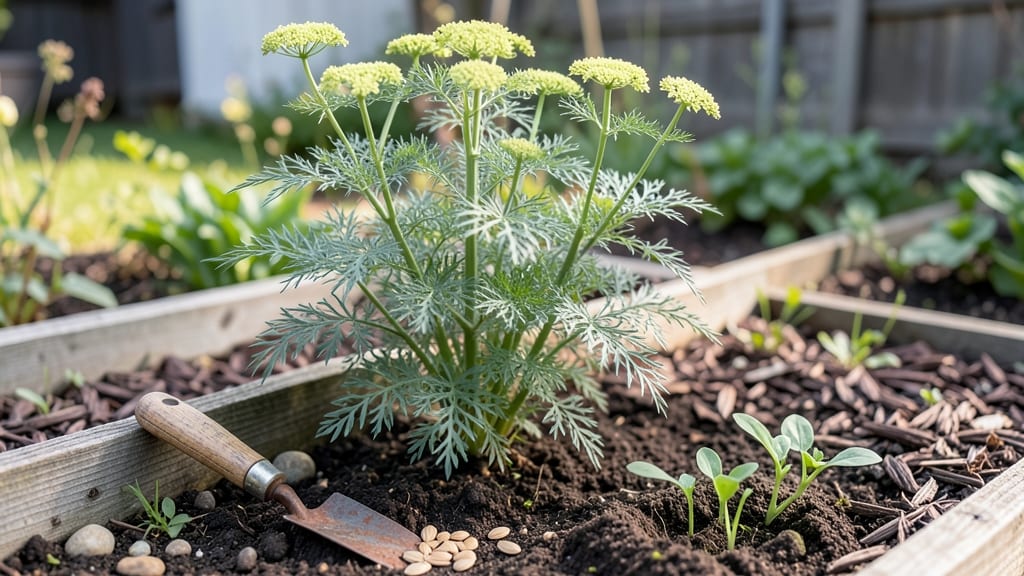
Planting dill in Florida can feel like a guessing game—get the timing wrong, and you're left with bitter leaves or a plant that bolts too fast.
But here's the secret: Florida's frost-free climate and year-round growing season mean you can actually plant 🌿 dill almost anytime, with two key windows that give you the best results.
The sweet spot for Florida gardeners is late summer through early fall, when temperatures start cooling just enough to slow down the bolting process. This gives your dill the 60-75 days it needs to reach full flavor before the heat peaks again.
But don't count out spring—planting in late winter or early spring works too, especially if you're in the northern parts of the state like zone 9a.
Why does timing matter so much? Dill hates extreme heat, and Florida's summer sun can turn your lush green plants into woody, bitter stalks faster than you think.
The right schedule keeps your dill thriving as an annual (since it won't survive Florida's winters anyway) while maximizing your harvest before those pesky flowers appear.
Ready to grow dill that actually tastes fresh? Let's break down the exact months to plant, plus pro tips for keeping your Florida dill happy—no bolting, no bitterness, just perfect herbs for your cooking.
Florida heat-zone planting calendar for dill (avoid bolting!)
Florida’s frost-free climate means you can grow dill year-round, but timing matters to prevent bitter bolting and maximize leafy growth. Unlike northern states, Florida’s heat zones 8-11 create unique planting windows where cooler months actually work best for tender dill varieties.
For Florida gardeners, the sweet spot is fall and early spring—when temperatures hover between 60°F and 75°F. This range keeps dill from bolting prematurely while avoiding summer’s oppressive heat. Let’s break down the best months for each of Florida’s 10 heat zones.
Here’s a quick reference for direct sowing vs. transplants across Florida’s zones. Direct sowing is ideal for dill because it establishes quickly, but transplants can work in cooler microclimates like high elevations or shaded areas.
| Heat Zone | Best Planting Window | Method | Harvest Window | Key Tip |
|---|---|---|---|---|
| Zones 8A-8B (North FL) | Late August–September (fall) or February–March (spring) | Direct sow or transplants | October–November or April–May | Use shade cloth in summer |
| Zones 9A-9B (Central FL) | September–October (fall) or January–February (spring) | Direct sow preferred | November–December or March–April | Avoid midday heat planting |
| Zones 10A-10B (South FL) | August–September (fall) or December–January (winter) | Direct sow or succession plant | October–November or February–March | Use container gardens for control |
| Zones 11 (Key West) | Year-round with shade; best in fall/winter | Direct sow or transplants | 2-3 months after planting | Prioritize even moisture |
If you’re in North Florida (Zones 8A-8B), focus on fall planting—this gives dill time to mature before winter’s mild chill. In Central Florida (Zones 9A-9B), you can squeeze in a spring harvest before summer heat sets in.
Meanwhile, South Florida (Zones 10A-11) gardeners can grow dill nearly year-round but must use shade cloth or container gardening to avoid bolting.
For succession planting, sow new seeds every 2-3 weeks during your zone’s ideal window. This ensures a continuous harvest of fresh dill leaves. For example, in Zone 9B, start your first batch in September, then follow up in October and November.
Pro tip: Dill seeds germinate fastest in warm soil (70°F+), so pre-soak seeds overnight for 24-hour germination. In Florida’s humidity, this reduces the risk of seed rot while speeding up your harvest timeline.
Remember, dill bolts when stressed by heat or long daylight. In Florida’s long summer days, dill may flower in as little as 40 days if planted too early. To delay bolting, choose shadier spots or opt for Bouquet dill, a slower-bolting variety.
Now that you’ve got your planting calendar, let’s talk about how to extend your harvest beyond the typical windows—because in Florida, every extra week counts! 🌱
How to extend dill’s growing season in Florida’s heat
Florida’s year-round warmth means dill can grow almost anytime, but the intense summer heat often triggers premature bolting. The key to extending harvests lies in strategic timing and microclimate control.
By using shade cloth, containers, and companion plants, you can push your dill’s growing window well beyond the typical fall-to-spring range. Let’s explore the best methods to keep your dill thriving in Florida’s heat without sacrificing flavor or yield.
One of the simplest ways to extend dill’s growing season is through succession planting. Instead of planting all your seeds at once, stagger them every 2-3 weeks from September through March. This ensures a continuous harvest and reduces the risk of bolting from heat stress.
For example, plant one batch in late September for a fall harvest, another in December for winter, and a final batch in February for early spring.
🌿
Pros and Cons of Heat-Extension Methods
Shade Cloth (30-50%)
✅ Reduces heat stress
✅ Extends harvest window
✅ Protects from intense afternoon sun
❌ Requires setup/removal
❌ Can reduce airflow slightly
Container Gardening
✅ Portable microclimates
✅ Easy to move for shade/sun
✅ Prevents soil overheating
❌ Needs frequent watering
❌ Limited root space
Companion Planting
✅ Natural shade from taller plants
✅ Pest deterrence
✅ Soil moisture retention
❌ Requires planning
❌ May compete for nutrients
Organic Mulch
✅ Cools soil naturally
✅ Retains moisture
✅ Suppresses weeds
❌ Needs replenishing
❌ Can attract pests if too wet
For container gardening, choose pots with at least 12-inch depth to accommodate dill’s taproot. Place containers in partial shade during peak summer hours (11 AM–3 PM) and move them to full sun in the morning or late afternoon.
This mimics Florida’s natural light patterns while preventing overheating. Use a lightweight potting mix with perlite to improve drainage and reduce soil compaction.
Another effective strategy is companion planting with heat-tolerant herbs like basil or cilantro. These plants provide natural shade while repelling pests like aphids, which commonly attack dill in Florida’s humid climate.
For example, plant dill alongside rosemary or thyme, which thrive in full sun and can shield dill from the harshest afternoon rays without competing for resources.
Finally, mulching plays a crucial role in regulating soil temperature. Apply a 2-3 inch layer of straw or wood chips around your dill plants to insulate the roots and retain moisture. Organic mulches also improve soil fertility as they break down, giving your dill a steady supply of nutrients.
In USDA zones 10-11, where temperatures rarely drop below 60°F, mulching can extend the growing season into late fall and early winter.
With these techniques, you can enjoy fresh dill leaves well beyond Florida’s traditional growing windows. Experiment with one or two methods this season, and you’ll be rewarded with a longer harvest and bolting-free plants all year round. Happy gardening! 🌱