
Plants
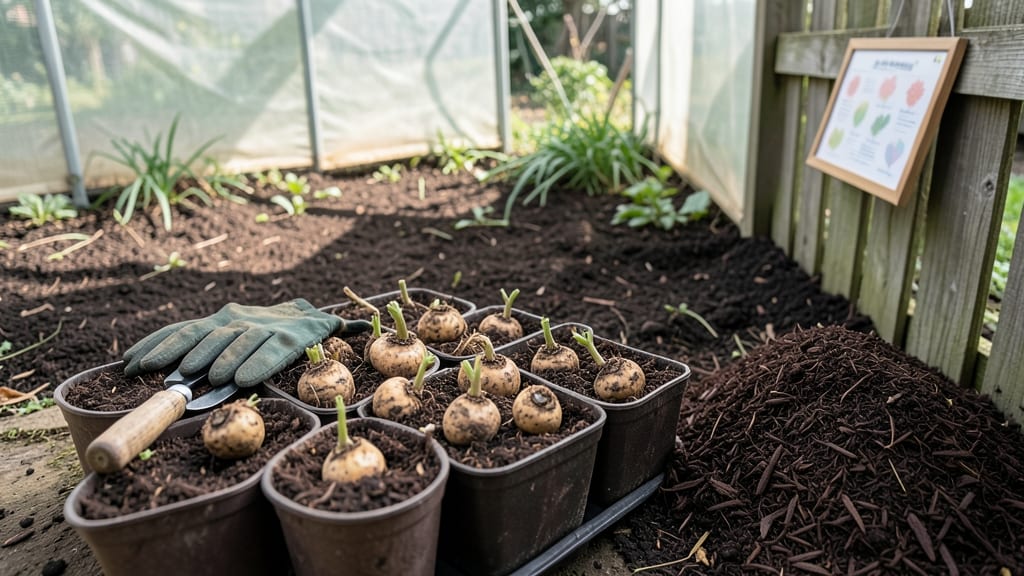
Planting dahlias in Maine isn’t just about waiting for spring—it’s about timing them perfectly to beat the short growing season and unpredictable frosts.
The moment you get the timing right, you’ll be rewarded with stunning 🌸 blooms from July through October, but get it wrong, and those tubers might never push through the soil.
Most gardeners in zones 5b-6b know the struggle: late May is the sweet spot, but Maine’s last frost can sneak in around May 15—meaning you’ve got just a few weeks to prepare.
Whether you’re a first-timer or a seasoned grower, the key is knowing when to start chitting your tubers indoors and when to rush them into the ground.
What separates successful Maine dahlias from failed ones? It’s not just the planting date—it’s the little tricks like hardening off tubers, warming the soil, and protecting young shoots from late frosts.
I’ve tested these methods myself, and they make all the difference between a few sad blooms and a garden bursting with color.
Let’s break down exactly when to plant, how to prep your soil, and the pro tips that’ll give your dahlias the best shot at thriving in Maine’s challenging climate. Ready to turn your garden into a summer-long floral show?
Maine’s last frost dates: exact timing for dahlias
Maine’s short growing season and unpredictable frost dates make timing critical for dahlias. In USDA zones 5b-6b, the average last frost date hovers around May 15, but this can vary by 1-2 weeks depending on your specific location in the state.
For example, southern Maine may see frost-free conditions by mid-May, while northern regions might wait until early June.
Dahlias are frost-sensitive tubers that won’t survive even light frosts. Planting too early—before the soil warms to 60°F (15°C)—can stunt growth or kill your plants. Meanwhile, waiting too long risks late-season blooms being cut short by Maine’s early fall frost around October 1.
Balancing these factors is key to a successful dahlia season.
To pinpoint your exact last frost date, check Maine’s historical frost maps from the National Weather Service or use local gardeners’ records. Tools like the Almanac’s Frost Calculator or Maine’s Climate Reanalyzer provide data tailored to your ZIP code.
For instance, Portland averages May 10 for last frost, while Bangor leans toward May 20.
🌱 Maine’s Dahlia Planting Timeline by Region
| Region | Avg. Last Frost | Safe Planting Window | Soil Temp Goal |
|---|---|---|---|
| Southern Maine (Portland, Kittery) | May 10–15 | Late May | 60°F (15°C) |
| Central Maine (Augusta, Waterville) | May 15–20 | Early June | 60°F (15°C) |
| Northern Maine (Bangor, Presque Isle) | May 20–25 | Mid-June | 60°F (15°C) |
| Coastal vs. Inland | Coastal: 5–7 days earlier | Adjust window accordingly | Monitor microclimates |
💡 Pro Tip: Use biodegradable plant pots for tubers to extend your planting window by 2 weeks in cooler areas.
For maximum bloom time, aim to plant dahlias 4–6 weeks before your first expected frost in fall. This gives your tubers enough time to establish roots and produce flowers before Maine’s early October chill.
For example, if your first frost is October 1, plant by early September at the latest—but only if your soil is still warm and you’re using row covers for protection.
Soil temperature is just as critical as air temperature. Use a soil thermometer to confirm your garden beds have reached 60°F (15°C) at 6-inch depth. In cooler Maine soils, consider black plastic mulch or straw bales to warm the ground faster.
This simple step can shave 1–2 weeks off your planting timeline, especially in northern Maine.
If you’re eager to start earlier, chit your tubers indoors 4–6 weeks before planting. Place them in a bright, cool spot (60–65°F or 15–18°C) with the eyes facing up. Once sprouts are 1–2 inches tall, they’ll be ready to brave Maine’s late-May chill with a head start.
This trick is especially useful for slow-growing varieties like ‘Café au Lait’ or ‘Bishop’.
Don’t rely solely on calendar dates—watch local weather forecasts for 5-day outlooks and frost warnings. Apps like Weather Underground or AccuWeather offer hyper-local alerts.
In my Maine garden, I’ve learned that a single late frost in early June can devastate unprotected dahlias, even if the average last frost passed weeks earlier.
For container gardening, extend your season by planting in black pots or heat-absorbing fabric grow bags. These warm up faster than soil and can give you a 2-week advantage. Just ensure your containers have drainage holes to prevent root rot—a common issue in Maine’s damp climate.
Remember: Dahlias need warmth to thrive, but they also need time to establish before Maine’s short summer fades into fall.
By aligning your planting with soil temperature, local frost data, and microclimate factors, you’ll give your dahlias the best shot at a vibrant, long-lasting display—even in Maine’s challenging climate. 🌸
Pro tips for extending Maine’s growing season for dahlias
Maine’s short growing season means dahlias need extra care to thrive. By using season-extending techniques, you can push your bloom time well into early October—just in time for fall festivals.
Start with hardening off tubers indoors 2-3 weeks before your last frost date to prepare them for cooler temperatures.
Once planted, row covers are your best friend. These lightweight fabrics trap heat and protect young plants from late spring frosts (which can still hit Maine until early June). For a more permanent solution, consider cold frames or even a mini greenhouse in your garden bed.
These can raise soil temperatures by 10-15°F, giving dahlias a head start.
🌱 5 Pro Tips to Extend Dahlia Season in Maine
- Start tubers indoors in late March for early planting.
- Use black plastic mulch to warm soil 5-10°F faster than bare earth.
- Install frost cloth on stakes for emergency protection after planting.
- Plant dwarf varieties (1-2 ft tall) for earlier blooms in cooler microclimates.
- Cut back dead foliage in late summer to redirect energy to new growth.
Don’t overlook soil warming tricks. Laying down black plastic mulch 2-3 weeks before planting can raise soil temperatures by 5-10°F, helping dahlias establish roots faster. For containers, use heat mats or plant in black pots to absorb sunlight and keep roots warm.
When late summer arrives, focus on protecting your dahlias from early frosts. By mid-September, start covering plants with frost blankets at night. For sensitive varieties, dig up tubers in late October and store them in a cool, dark place until next spring.
This ensures you can replant earlier the following year.
Finally, choose drought-tolerant varieties like 'Bishop' or 'Karma'—they handle Maine’s dry spells better than fussy hybrids. Pair them with deep watering schedules (every 3-5 days) to keep roots hydrated without wasting water.
With these tricks, your dahlias will reward you with months of color instead of just a few weeks.
Your dahlias deserve a fighting chance against Maine’s unpredictable weather. By combining early starts, season extenders, and smart variety choices, you’ll turn your garden into a blooming oasis from summer to fall. 🌸