
Plants
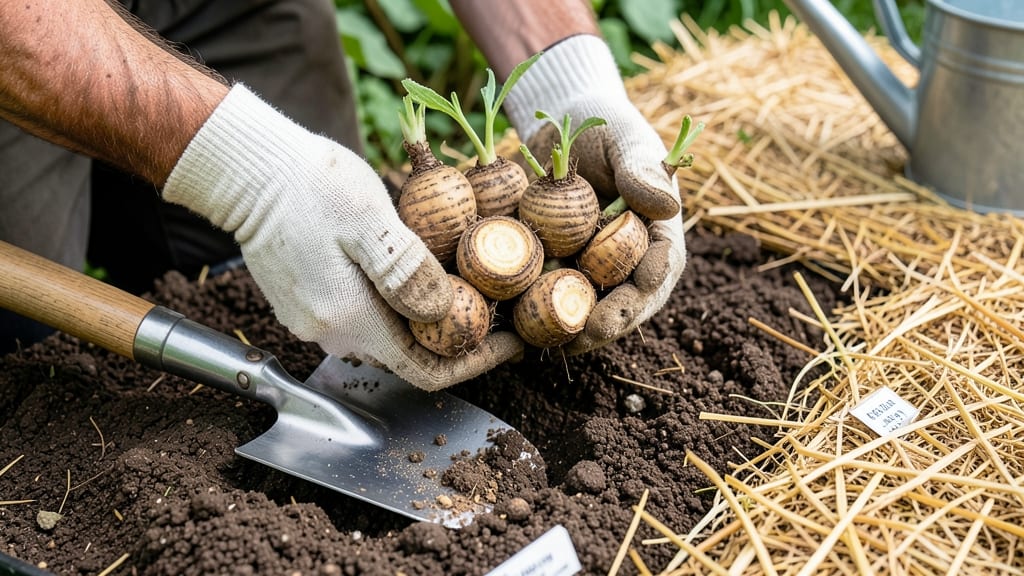
Timing when to plant dahlia bulbs in Wisconsin just right means the difference between stunning summer blooms and struggling plants that never reach their full potential. The 4b-6a climate here demands precision—plant too early, and late frosts will nip your dahlias in the bud.
Most gardeners wait until mid-to-late May when soil temperatures finally climb to 60°F, but Wisconsin’s unpredictable spring can make that tricky. I’ve learned the hard way that rushing the process often leads to disappointment, so I’ll share exactly when to plant for bold, healthy dahlias that thrive all season.
Whether you’re a first-time grower or a seasoned Wisconsin gardener, this guide will help you avoid common mistakes and get your 🌼 dahlias off to the best start. Let’s dive into the frost-free timeline that works for your region.
From preparing your bulbs to adjusting for local microclimates, I’ll walk you through every step to ensure your dahlias burst into color right on schedule. Ready to transform your garden?
Wisconsin’s frost-free timeline: exact weeks to plant dahlia bulbs for peak blooms
Wisconsin’s frost-free window is your golden ticket to show-stopping dahlia blooms. Since the state spans USDA Zones 4b-6a, timing varies—northern regions like Green Bay need to wait longer than southern areas like Milwaukee.
The key is planting 4-6 weeks after your last frost date, when soil temps hit 60°F (15°C). For most of Wisconsin, this lands in late May to early June, but microclimates can shift that by 2-3 weeks.
In Madison and southern Wisconsin, gardeners often start planting by May 15th, while Duluth and the Northwoods may wait until June 1st. Check your local frost-free date (average May 10th-May 25th for most areas) and add 6 weeks to your planting schedule.
This ensures your dahlia tubers thrive without late-spring frost damage.
Dahlias are heat-loving perennials, but they hate cold soil. Planting too early in chilly Wisconsin springs risks rot or stunted growth. Use a soil thermometer to confirm temps—below 55°F (13°C) slows root development.
Pro tip: Pre-warm your soil with black plastic mulch if temps lag behind your ideal planting window.
Wisconsin’s unpredictable spring weather can throw off even the best-laid plans. In 2020, Madison’s late May frost delayed blooms by 3 weeks for gardeners who planted early.
To hedge your bets, start tubers indoors in March (more on this in the next section) or keep row covers handy for emerging shoots.
Here’s your Wisconsin-specific planting timeline broken down by region and key milestones:
| Region | Last Frost Date | Ideal Planting Window | Soil Temp Threshold | Bloom Expectation |
|---|---|---|---|---|
| Southern WI (Milwaukee, Madison) | May 5–15 | May 20–June 5 | 60°F (15°C) | July 15–August 15 |
| Central WI (Wausau, Stevens Point) | May 10–20 | May 25–June 10 | 60°F (15°C) | July 20–August 20 |
| Northern WI (Duluth, Green Bay) | May 15–25 | June 1–15 | 60°F (15°C) | July 25–September 1 |
🌼 Note: Adjust for microclimates (e.g., urban heat islands bloom earlier).
Once you’ve nailed your planting window, focus on soil prep. Wisconsin’s clay-heavy soils drain poorly, so amend with compost or sand to improve aeration. Dahlias need well-draining soil to prevent root rot, a common issue in Wisconsin’s humid summers.
Aim for a pH of 6.5–7.0—test your soil in early spring to adjust with lime or sulfur if needed.
After planting, mulch heavily (3–4 inches) to retain moisture and regulate soil temps. In southern Wisconsin, mulch also protects against late summer heat stress, while in northern areas, it insulates roots from early fall frosts. Water deeply 2–3 times per week once established, but avoid over
Wisconsin’s frost-free timeline: exact weeks to plant dahlia bulbs for peak blooms
Wisconsin’s frost-free window is the golden rule for planting dahlia tubers, and timing it right ensures your vibrant blooms appear when you’ve been dreaming of them.
Most of the state falls in USDA Zones 4b-6a, meaning late frosts can linger until mid-May, while southern regions like Milwaukee may warm up earlier.
For optimal growth, dahlias thrive when planted 4-6 weeks after your last frost date. This typically lands between late April and early June, depending on your microclimate. Northern areas like Green Bay should wait until early June, while Madison gardeners can start as early as late May.
Soil temperature is just as critical as air temperature. Dahlias need soil temps above 60°F (15°C) to sprout successfully. Use a soil thermometer to confirm readiness—cold soil can delay growth by 2-3 weeks or worse, cause rot.
| Region | Last Frost Date | Ideal Planting Window | Soil Temp Threshold |
|---|---|---|---|
| Northern WI (Green Bay) | Mid-May | Early June | 60°F+ |
| Central WI (Madison) | Late May | Late May - Early June | 60°F+ |
| Southern WI (Milwaukee) | Early May | Late April - May | 60°F+ |
Check your local frost dates using the National Weather Service or your county extension office. For example, Madison’s 2020 late frost delayed blooms by 3 weeks, while Milwaukee’s early spring in 2021 allowed dahlias to bloom by early July.
Planning ahead for these variations ensures your dahlias thrive year after year.
If you’re eager to start earlier, consider chitting bulbs indoors in late March. This pre-sprouting trick gives your dahlias a 2-week head start once soil warms up.
Just place bulbs in a bright, cool spot (around 60°F) with the "eyes" facing up—roots will emerge in 3-4 weeks, ready for transplanting.
Pro tip: Use row covers or cloches if late frosts threaten after planting. These protective barriers can raise soil temps by 5-10°F, giving your dahlias the extra warmth they need to establish roots before summer’s full heat arrives. 🌼