
Plants
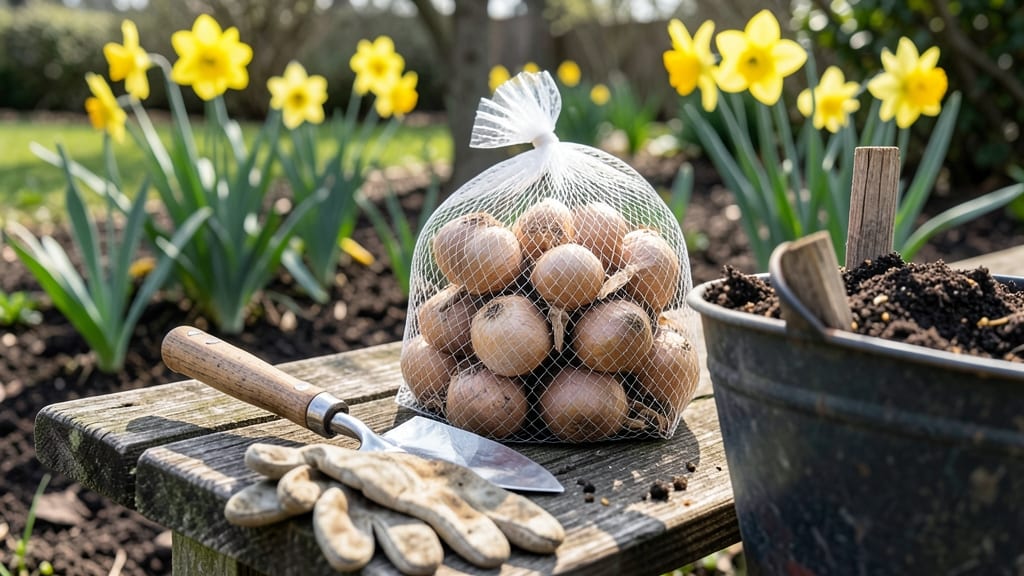
Planting daffodils in Tennessee at the wrong time could mean waiting years for those cheerful 🌼 blooms—or worse, never seeing them at all. The key to vibrant spring displays lies in timing your fall planting just right, before the ground freezes solid.
Most Tennessee gardeners in zones 6a-7b should get their bulbs in the ground between October and November, giving them 6 weeks to root before winter sets in.
But here’s the catch: planting too early can leave bulbs vulnerable to rot, while waiting too long risks them not establishing roots before frost.
I’ve learned the hard way that local microclimates matter—what works in Nashville’s milder pockets won’t cut it in the cooler Appalachian foothills. Let’s break down the exact window for your specific zone so your daffodils bloom like clockwork next spring.
You’ll discover how to prep your soil, when to mulch for extra protection, and why spring planting is a risky gamble in Tennessee’s climate. Ready to guarantee those first golden blooms before the last frost?
Tennessee daffodil planting calendar by USDA hardiness zones (6b-8a)
Tennessee spans USDA Zones 6b through 8a, meaning your daffodil planting window varies by region. In Zone 6b (eastern TN), aim for October 15–November 15—6 weeks before the average first frost.
Gardeners in Zone 7a (middle TN) have until November 15–December 1, while Zone 8a (west TN) can plant as late as December 1–January 15 for spring blooms.
Daffodils need 6–8 weeks of root growth before winter sets in. Planting too early (like September) risks rot, while waiting too long (after December) may leave bulbs vulnerable to freeze-thaw cycles. Use your local frost date as your deadline—check the National Weather Service for your county’s average.
Here’s how Tennessee’s zones break down for optimal planting:
| Zone | Best Planting Window | Soil Temp Goal | Depth | Mulch Needed? |
|---|---|---|---|---|
| 6b (e.g., Bristol, Johnson City) | October 15–November 15 | 50–60°F | 6–8 inches deep | Yes (3 inches) |
| 7a (e.g., Nashville, Chattanooga) | October 30–November 30 | 50–60°F | 6–8 inches deep | Yes (3 inches) |
| 7b (e.g., Memphis, Knoxville) | November 15–December 15 | 55–65°F | 6–8 inches deep | Optional (if mild winters) |
| 8a (e.g., Jackson, Clarksville) | December 1–January 15 | 60–70°F | 5–7 inches deep | No (unless extreme cold) |
For Zone 6b gardeners, prioritize early October planting—this gives bulbs time to root before hard frosts hit. In Zone 8a, you can even plant in January, but choose dwarf varieties like ‘Tête-à-Tête’ for smaller gardens.
Always plant bulbs in well-draining soil with a 2-inch layer of compost to prevent rot.
Pro tip: Use a soil thermometer to confirm temps are below 60°F before covering bulbs with mulch. In Zone 7a/7b, a 3-inch mulch layer of shredded leaves or straw insulates roots during winter temperature swings—critical for first-year blooms.
Spring planting is possible in Tennessee but risky—bulbs may bolt to flower before establishing roots. If you miss fall, wait until late winter (February) and plant shallow (4–5 inches) with extra fertilizer (5-10-10) to compensate for lost root time.
Remember: Daffodils thrive in full sun (6+ hours daily) and well-draining soil. Amend heavy clay soil with sand or perlite to prevent waterlogged roots—a common issue in eastern Tennessee’s wet winters.
For a foolproof schedule, mark your calendar 6 weeks before your area’s average first frost. Use the Old Farmer’s Almanac or your local Cooperative Extension Service for zone-specific frost dates.
How to choose the perfect planting month for zero-frost blooms
Tennessee’s microclimates mean your daffodil planting window could shift by weeks between Nashville and Memphis. The key to zero-frost blooms is planting bulbs 6-8 weeks before your region’s first frost, but timing varies sharply across USDA Zones 6b-8a.
For Zone 6b (eastern TN), aim for mid-October—while Zone 8a (west TN) gardeners can plant until early December.
Use your local frost dates as your guide. Check the National Weather Service or Old Farmer’s Almanac for your county’s average first frost—then count backward. Early October is the safest bet for most of Tennessee, but late November works in milder zones if you’re in a hurry.
The goal? Let bulbs establish roots before winter dormancy sets in.
Here’s my pro tip: Plant daffodil bulbs when soil temps hit 60°F. Use a soil thermometer to check—this ensures roots grow but don’t rot. In Zone 7a, that’s usually late September to early October.
If you miss fall, early spring planting (February) is your backup—but expect smaller blooms that year.
- Soil Prep First
Test your soil’s drainage—daffodils hate soggy roots. Amend with compost if your soil is clay-heavy. Loosen 6-8 inches of soil and mix in sand if needed.
- Planting Depth Matters
Dig holes 3x deeper than the bulb’s height. For most daffodils, that’s 6-8 inches deep. Dwarf varieties need only 4-5 inches.
- Spacing for Airflow
Space bulbs 3-6 inches apart in rows 9-12 inches apart. This prevents rot and makes future digging easier. Tight spacing = crowded blooms.
- Mulch Like a Pro
Add 2-3 inches of mulch after planting. Use straw or shredded leaves—not pine needles (they acidify soil). Mulch insulates roots and deters squirrels.
- Watering Rules
Water deeply once after planting, then weekly until frost. Avoid overhead watering—it spreads diseases. Use a soaker hose for roots.
If you’re planting in late fall (November-December), cover bulbs with straw mulch (6+ inches thick) to protect them from freeze-thaw cycles. Remove mulch in early spring once shoots appear.
And here’s my biggest warning: Never plant daffodils in wet spring soil—wait until the ground is workable to avoid rot.
For foolproof timing, set a reminder for October 15th—this is the sweet spot for most of Tennessee.
If you’re unsure, err on the earlier side: bulbs can wait in the ground, but they won’t root if planted too late. Pro move: Mark your planting spots with flags or stakes so you don’t forget where they are!