
Plants
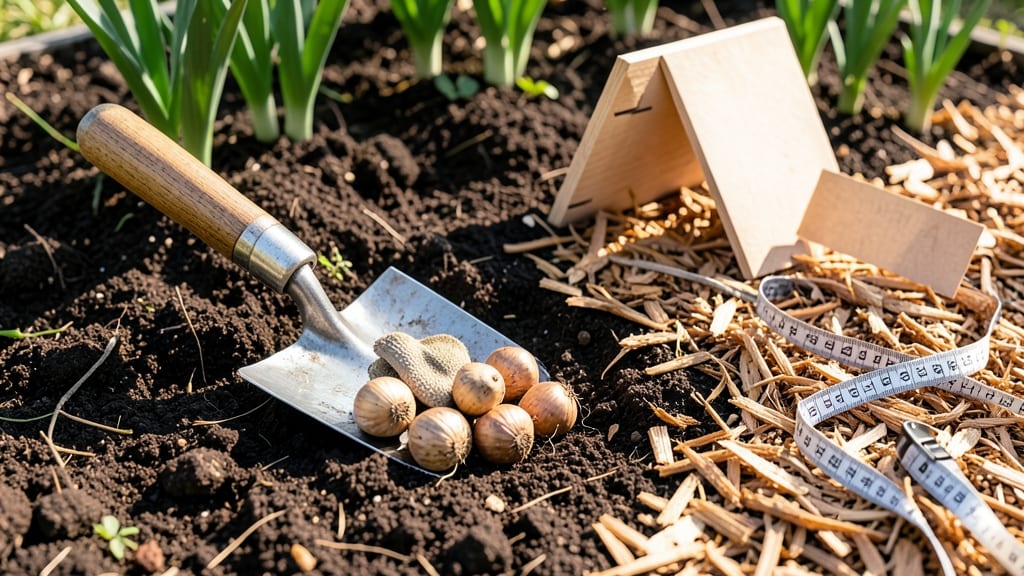
Planting daffodils in Massachusetts at the wrong time can mean missed spring blooms or bulbs wasted by early frost. The key to success lies in understanding your local frost dates and soil conditions—because timing isn’t just about months, it’s about weather patterns that vary from Boston to Cape Cod.
Most Massachusetts gardeners know fall is the ideal window, but did you realize October through November offers the perfect balance? Planting too early risks frost damage, while waiting too late means bulbs won’t establish roots before winter sets in.
With USDA Zones 5b-6b across the state, your exact location matters—coastal areas may have a slightly later frost than inland regions.
In this guide, I’ll break down the exact planting timeline for your area, including soil prep secrets to ensure your 🌼 daffodils thrive. Whether you’re a first-time gardener or a seasoned pro, these tips will help you avoid common mistakes and get those cheerful blooms ready for spring.
Ready to transform your garden? Let’s dive into the step-by-step checklist that’s worked for Massachusetts growers for years—no guesswork required.
Massachusetts daffodil planting timeline: frost dates & hardiness zones
Timing your daffodil planting in Massachusetts depends on USDA Zones 5b-6b and local frost patterns. Most of the state falls into these zones, but microclimates—like coastal Cape Cod or inland Worcester—can shift ideal planting windows by 2-3 weeks.
The key is planting 6-8 weeks before the first hard frost, which typically hits between October 15-30 in most regions.
For Boston and central MA, aim for mid-October to early November. In western MA (Pittsfield, Springfield), where winters arrive earlier, plant by late September to mid-October. Cape Cod and the Islands enjoy slightly milder autumns, so you can extend planting until early November.
These dates ensure bulbs establish roots before winter dormancy.
Daffodils need 4-6 weeks of root growth before the ground freezes solid. If you plant too early (e.g., September), bulbs may sprout and get damaged by early fall frosts. Planting too late (December) risks shallow roots that struggle to survive winter.
Use your local frost date as your anchor—check the National Weather Service or Old Farmer’s Almanac for your specific town.
Here’s how to adjust for early vs. late winters:
- Early frost years: Plant by late September (e.g., 2017, 2020).
- Late frost years: Extend to mid-November (e.g., 2018, 2022).
- Coastal areas: Add 1-2 weeks to inland timelines.
🌼 Massachusetts Daffodil Planting Summary
| Region | USDA Zone | Ideal Planting Window | First Frost Date | Notes |
|---|---|---|---|---|
| Boston/Central MA | 5b-6a | Mid-October – Early November | October 15–30 | Urban areas may frost earlier |
| Western MA (Pittsfield) | 5a-5b | Late September – Mid-October | October 1–15 | Colder microclimates |
| Cape Cod/Islands | 6b | Early October – Early November | November 1–15 | Milder winters, extend season |
Why does timing matter? Daffodils bloom in spring (April–May) based on the 6-8 weeks of root growth they complete in fall. Planting at the right time ensures they’re deeply rooted by winter, so they survive freezing temps and bloom vigorously the following year.
For example, bulbs planted in late November may only grow 2-3 inches of roots before frost, weakening their survival.
Pro tip: Use a soil thermometer to check when soil temps drop below 50°F (10°C)—this signals it’s time to plant. In western MA, this can happen as early as late September, while coastal areas may wait until mid-November.
Adjust your schedule based on your local microclimate, not just the state average.
If you miss the fall window, you can plant daffodils in early spring (March–April), but this delays blooms by 1-2 years and risks squirrel theft or rot from wet soil.
Fall planting guarantees first-year blooms and stronger bulbs. For container gardening, plant in late September to avoid winter pot freeze-thaw cycles.
Remember: Daffodil bulbs thrive in cold—they need winter chill to bloom. In mild-winter years (like 2023), plant by October 15 to ensure they still get enough cold exposure. Use local garden centers for the best MA-adapted varieties, which are pre-selected for Zone 5-6 hardiness.
Soil preparation checklist: 5 critical steps for daffodil success in MA
Before you plant daffodil bulbs in Massachusetts, your soil prep makes all the difference. Poor drainage or compacted clay (common in MA) can rot bulbs before they bloom. Start by testing your soil’s drainage rate—ideal bulbs should drain within 2-3 hours after watering.
If your soil feels heavy or stays soggy, amend it with organic matter like compost or aged manure.
Daffodils thrive in well-aerated soil with a pH of 6.0-7.0. Test your soil’s pH using a kit from your local garden center. If it’s too acidic (<6.0), add lime; if alkaline (>7.0), mix in sulfur or peat moss.
Massachusetts’ rocky terrain often means poor soil structure—break up clumps with a garden fork and mix in 1-2 inches of compost to improve fertility.
🌱 5 Critical Soil Prep Steps for MA Daffodils
- 🔍 Test drainage: Dig a 12" hole, fill with water, and time how long it drains. Goal: 2-3 hours max.
- 📊 Adjust pH: Aim for 6.0-7.0—use lime for acidity or sulfur for alkalinity.
- 🪴 Loosen soil: Break up clay or rocky soil with a garden fork to depth of 12-15 inches.
- 🌿 Add compost: Mix in 1-2 inches of compost or aged manure for nutrients.
- 🛡️ Prevent pests: Sprinkle bone meal (1 tbsp per bulb) to deter squirrels and rodents.
For heavy clay soils (common in Worcester and central MA), create raised beds or plant bulbs on mounds to improve drainage. If your yard has sandy soil (like parts of Cape Cod), mix in peat moss or coconut coir to retain moisture.
Always plant bulbs in well-draining soil—this is non-negotiable for daffodils, which rot easily in waterlogged conditions.
One often-overlooked step is mulching after planting. Apply a 2-3 inch layer of straw or shredded leaves in late fall to insulate bulbs from freeze-thaw cycles, which can damage emerging roots.
Remove mulch in early spring once shoots appear to prevent rot from excess moisture. This simple step can double your daffodil’s survival rate in MA’s unpredictable winters.
Finally, avoid fresh manure or high-nitrogen fertilizers before planting—these can burn bulbs. Instead, opt for a balanced 5-10-10 fertilizer applied lightly in early spring after foliage emerges. Daffodils store energy in their bulbs, so over-fertilizing now can lead to fewer blooms next year.
With these 5 soil prep steps, your daffodils will have the perfect foundation to thrive in Massachusetts’ climate—bright blooms guaranteed! 🌼