
Plants
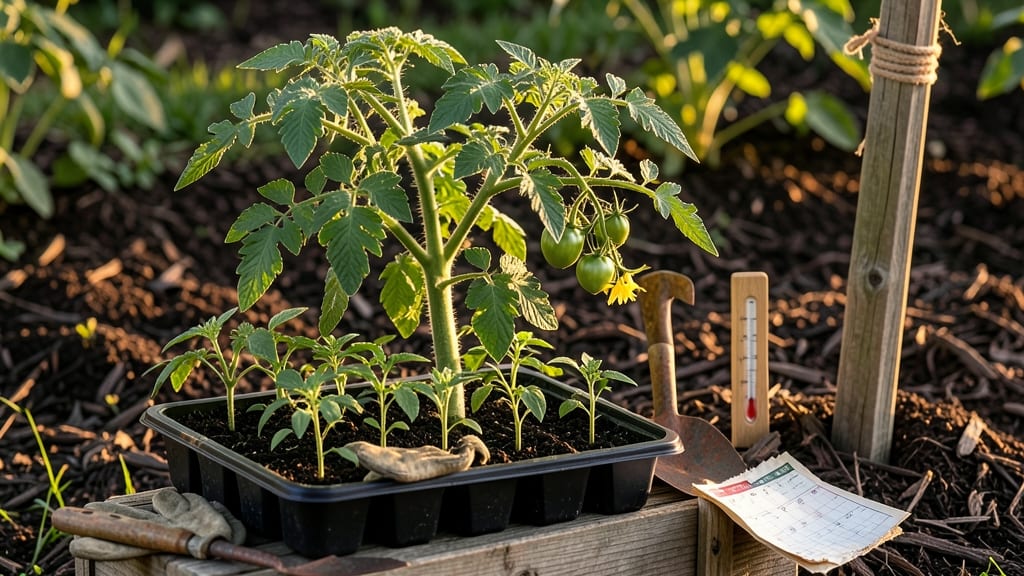
When is the best time to plant tomatoes in Virginia?—it’s not just about grabbing seeds and sticking them in the dirt. It’s about catching that perfect window between frost and scorching heat, or you’ll end up with sad, wilted 🍅 plants before they even produce fruit.
Most gardeners wait until after Mother’s Day, but that’s not always the best move for every part of Virginia.
The 7a-8a zones have wildly different deadlines, and planting too early in the Piedmont or too late in the Coastal Plain can mean the difference between a bumper crop and a total bust.
I’ve learned the hard way that soil temperature matters just as much as the calendar—waiting until it hits 60°F or warmer is non-negotiable.
But here’s the game-changer: with the right heat zone deadlines and a few local tricks, you can stretch your tomato season from June all the way to October.
Let’s break down exactly when to plant for your corner of Virginia, plus how to avoid the most common mistakes that send gardeners running for the nearest nursery in frustration.
Virginia’s tomato planting deadlines by heat zone and last frost dates
Timing your tomato planting in Virginia depends on your USDA hardiness zone, which ranges from 5a in the mountains to 8a along the coast. The last frost date is your starting point—planting too early risks frost damage, while waiting too long cuts your harvest window.
Most Virginia gardeners aim to plant tomatoes 2-3 weeks after the last frost, but soil temperature matters just as much.
In Northern Virginia (zones 6a-7a), like the Shenandoah Valley, the average last frost date is April 15. This means your ideal planting window opens around May 1 for transplants or early April for indoor starts.
For Central Virginia (zones 7a-7b), including Richmond, the last frost typically falls on April 1, so you can plant outdoors by mid-April if the soil is warm enough.
Southern Virginia and the Tidewater region (zones 7b-8a) enjoy milder winters, with last frosts as late as March 15. Here, you can start planting outdoors as early as late February for heat-loving varieties like Celebrity or Better Boy.
However, even in warmer zones, soil temperature must reach 60°F—a cold soil will stunt root growth, no matter how warm the air feels.
Here’s a quick reference for Virginia’s tomato planting deadlines by region, including last frost dates and recommended planting windows:
Pro tip: Use black plastic mulch to warm the soil faster, especially in cooler zones. This trick lets you plant 1-2 weeks earlier than the calendar suggests. Just lay the mulch 2-3 weeks before planting to let it heat up the ground.
For succession planting, aim for a second planting in early June to extend your harvest into October. This works best in zones 7a and warmer, where nights stay above 50°F well into fall.
In Northern Virginia, focus on early-maturing varieties like Early Girl or Stupice to avoid frost.
Always check your local microclimate—urban areas like Arlington or Norfolk can be 5-10°F warmer than rural spots, delaying frost. Use a frost calendar from your local Cooperative Extension office for the most accurate dates.
Remember: Tomatoes hate cold feet. If your soil is below 60°F, roots won’t develop properly, and your plants may stunt or rot. Use a soil thermometer to confirm—it’s the best way to avoid costly mistakes.
How to extend Virginia’s tomato growing season with smart planting strategies
Virginia’s short growing season can feel like a race against time, but with the right strategies, you can push your tomato harvests deep into fall.
I’ve learned that even in USDA zones 6b-8a, you can extend your season by 4-6 weeks using simple techniques like row covers and succession planting. The key is understanding your local microclimate—whether you’re in the cooler Piedmont or the warmer Tidewater region.
Start by calculating your frost-free days. Most of Virginia enjoys 180-210 frost-free days, but urban areas often have fewer. Use this number to determine your last possible planting date.
For example, if your first frost is October 15, count backward from your variety’s harvest time (typically 70-90 days after planting). This gives you a hard deadline for your final planting.
Here’s where succession planting comes in. Instead of planting all your tomatoes at once, stagger them every 2-3 weeks from late April through early July. This ensures a continuous harvest and maximizes your garden’s productivity.
For instance, plant cherry tomatoes (which mature faster) first, followed by heirloom varieties that take longer to ripen.
Count backward from your first frost date (usually October 15) using your tomato variety’s days to maturity.
Extend your season by 2-3 weeks with lightweight row covers. Remove them during the day to allow pollination and replace them at night to protect from cool temps.
Choose varieties like ‘Celebrity’ or ‘Solar Fire’, which thrive in Virginia’s 90°F+ temps and resist early blight.
Plant new batches every 2-3 weeks from April 15 to July 1 for a continuous harvest.
Warm soil faster and suppress weeds by laying black plastic mulch 2-3 weeks before planting. This also helps prevent soil-borne diseases.
Don’t overlook cold frames or low tunnels for late-season protection. These can add another 4-6 weeks to your growing season by trapping heat. Just remember to ventilate during the day to prevent overheating.
In my Northern Virginia garden, a simple cold frame kept my ‘Brandywine’ tomatoes producing until mid-November—long after most neighbors had given up!
Finally, pay attention to soil temperature. Tomatoes won’t germinate well in soil below 60°F, so use a soil thermometer to monitor conditions. If your soil is too cold, consider starting seeds indoors 6-8 weeks before your last frost date and transplanting them outdoors once temperatures rise.
This gives you a head start and ensures your plants are ready to thrive when the weather warms up.
With these strategies, you can turn Virginia’s shorter growing season into a tomato lover’s paradise. Whether you’re a beginner or a seasoned gardener, extending your season is all about planning ahead and making the most of your local climate. Happy planting! 🌱