
Plants
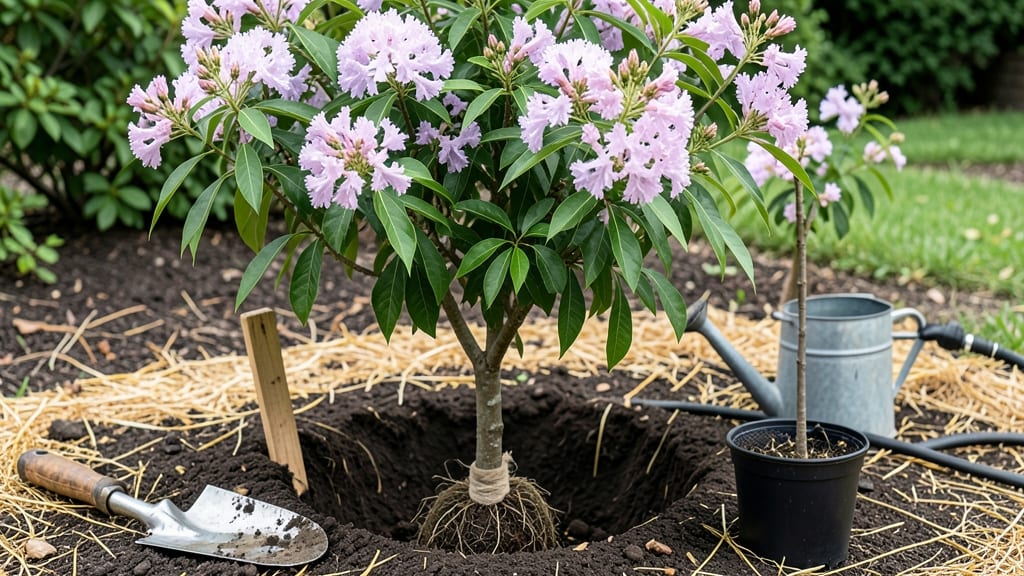
Planting your crepe myrtle 🌸 at the wrong time in Oklahoma could mean struggling with weak roots or even losing your tree before winter sets in. The key to success lies in understanding Oklahoma’s 6a-8a climate zones and when the soil warms enough for strong root growth.
Most gardeners in Oklahoma swear by early spring planting—right after the last frost date in March or April—when temperatures are mild and the ground is workable. But did you know fall planting in September or October can also give your crepe myrtle a head start for next year’s blooms?
Whether you’re planting in-ground or containers, timing matters more than you might think. In this guide, I’ll break down the perfect planting windows for Oklahoma’s zones, soil prep tips, and how to avoid common mistakes that kill these drought-resistant beauties.
Ready to give your crepe myrtle the best possible start? Let’s dive into the exact months that’ll set your tree up for years of vibrant blooms and minimal stress.
Best planting months for crepe myrtles in Oklahoma’s climate zones
Oklahoma’s USDA hardiness zones 6b–8a create unique challenges for planting crepe myrtles, but the key is timing root establishment before winter’s first frost.
In most areas, this means March-April for spring planting or September-October for fall planting, with regional adjustments for microclimates like Oklahoma City’s urban heat islands or Tulsa’s slightly milder winters.
Crepe myrtles thrive when planted after the last frost date (typically March 1–15) or 6 weeks before first frost (usually October 1–15). This gives roots time to establish before Oklahoma’s November frost, which can damage tender new growth.
Container-grown trees offer more flexibility since they’re less sensitive to soil temperatures.
For bare-root planting, aim for early spring when soil temperatures reach 50°F (10°C)—critical for root activation. In Zone 8a (southern Oklahoma), you can extend fall planting to mid-October, while Zone 6b gardeners should finish by early October to avoid winter stress.
| Zone | Last Frost | First Frost | Spring Planting Window | Fall Planting Window |
|---|---|---|---|---|
| 6b (Northern OK) | March 15 | November 15 | March 15–April 15 | September 1–October 1 |
| 7a (Central OK) | March 1 | November 20 | March 1–April 30 | September 15–October 15 |
| 8a (Southern OK) | February 15 | November 25 | February 15–April 15 | September 15–October 31 |
🌱 Note: Adjust for microclimates—urban areas may frost earlier.
In Oklahoma City (Zone 7a), I’ve found that planting in late March gives roots enough time to establish before summer’s heat stress, while Tulsa (Zone 7b) gardeners can push fall planting to mid-October thanks to slightly milder winters.
Rural areas with clay-heavy soils may need to plant 2 weeks earlier to avoid waterlogged roots.
For container planting, extend your window to May or even early June since potted trees adapt better to heat. However, move containers to ground level before winter to protect roots from freezing.
In Zone 6b, I recommend acclimating container trees to outdoor temps for 2 weeks before planting to reduce shock.
Pro tip: Use a soil thermometer to confirm 50°F (10°C) soil temps before spring planting—this is your green light for bare-root crepe myrtles. In fall, wait until nighttime temps stay above 40°F (4°C) to ensure roots don’t freeze before establishing.
If you miss the ideal windows, don’t panic—May planting is still viable for container trees, but expect delayed blooming the first year. The trade-off? You’ll avoid spring drought stress that can plague early plantings in Oklahoma’s unpredictable climate.
For dwarf varieties (like ‘Arapaho’), I’ve seen success with late April plantings even in Zone 6b, as their smaller root systems establish faster. Just monitor for wilted leaves—a sign of drought stress—and water deeply at the first sign.
Remember: Crepe myrtles hate soggy roots. In Oklahoma’s clay soils, amend planting holes with sand or compost to improve drainage. This is especially critical in low-lying areas where water pools after heavy rains.
How to prepare for planting: soil, location, and pre-frost care
Preparing your crepe myrtle for Oklahoma’s climate isn’t just about digging a hole—it’s about creating the perfect conditions for root establishment before the first frost. Start by testing your soil pH, which should be between 6.0–7.0 for optimal growth.
Oklahoma’s clay-heavy soils often need amendments like compost or sand to improve drainage.
Choose a sunny location with at least 6+ hours of direct sunlight daily. Crepe myrtles thrive in full sun, but avoid spots where afternoon shade might stress young plants. If planting in containers, ensure they’re large enough to accommodate mature root growth (minimum 15-gallon pots).
Before planting, loosen the soil to a depth of 12–18 inches to encourage root penetration. Mix in organic matter like aged compost or well-rotted manure to boost fertility. This step is critical in Oklahoma’s USDA zones 6b–8a, where poor soil can stunt growth.
After planting, apply a 2–3 inch layer of mulch around the base of the tree, keeping it 3 inches away from the trunk. Use pine straw or shredded bark to retain moisture and regulate soil temperature. Mulch also suppresses weeds, reducing competition for nutrients.
Watering is key in Oklahoma’s dry summers. Newly planted crepe myrtles need deep watering 2–3 times per week for the first month, then taper to weekly deep soaks once established. Always water in the morning to prevent fungal diseases like powdery mildew, which thrives in Oklahoma’s humid summers.
As fall approaches, reduce watering frequency to harden the roots before winter. Aim to water bi-weekly in October and monthly in November, unless we experience a drought spell. This gradual adjustment helps crepe myrtles prepare for Oklahoma’s first frost, which typically hits between November 15–25.