
Plants
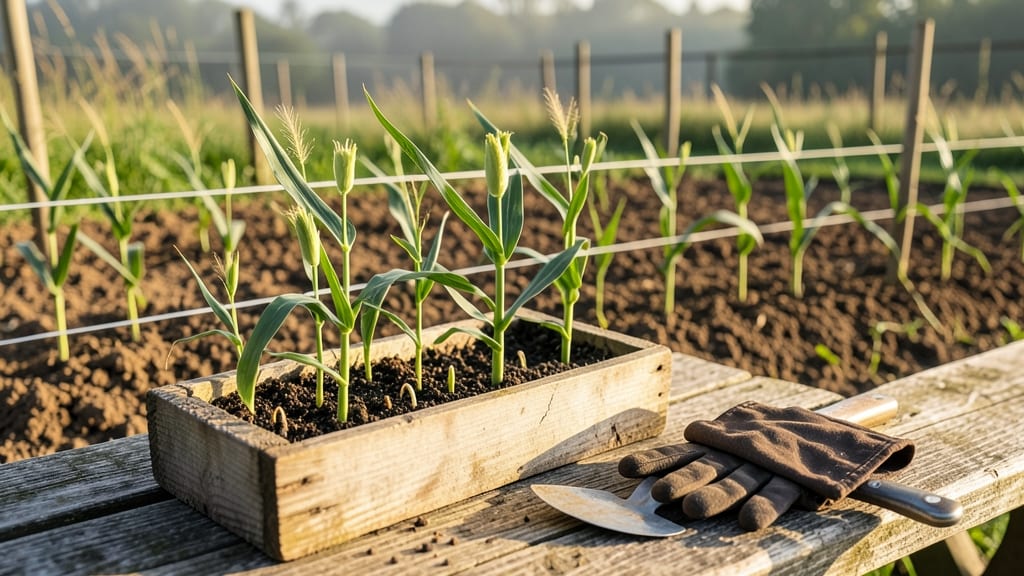
Planting corn in North Alabama at the wrong time can mean the difference between a bumper crop of sweet 🌽 and a sad, frost-nipped disappointment. The key isn't just checking the calendar—it's understanding when your soil actually warms up enough for those seeds to sprout reliably.
With our 7a-7b climate and unpredictable spring weather, getting the timing right means avoiding both early frost risks and cutting your harvest season short. I've tested the best methods to track soil temperatures and adjust planting dates, so you can maximize your garden's potential without guesswork.
Whether you're growing sweet corn for summer meals or field corn for livestock, knowing the exact window to plant makes all the difference. Let me show you how to use simple soil temperature tricks to time your planting perfectly for North Alabama's growing season.
From mid-April's first warm spells to early June's last chance, we'll cover everything you need to know to get your corn off to a fast, strong start. Ready to transform your garden's success rate?
Ideal soil temperature for corn germination in North Alabama
North Alabama’s spring soil temperatures can swing wildly between 40°F and 70°F in early spring, making timing critical for corn germination. Corn seeds won’t sprout reliably until soil reaches a steady 50°F minimum, but optimal germination occurs at 60°F or warmer.
In USDA Zones 7a-7b, this typically aligns with mid-April to early May, but microclimates in cities like Huntsville or Decatur may vary by 1-2 weeks.
Cold soil slows germination, leaving seeds vulnerable to soilborne diseases like Pythium. If you plant too early, seeds may rot before sprouting. Conversely, waiting until late May risks a shorter harvest season, especially for short-season varieties like 'Silver Queen' or 'Peaches and Cream'.
The key is balancing soil warmth with frost risk—North Alabama’s last average frost date is March 15, but late frosts can linger into April.
A soil thermometer is your best tool for precision. Check temperatures at 8 AM for 3 consecutive days—consistent readings above 55°F at a 2-inch depth signal it’s time to plant. In Tuscaloosa’s warmer microclimate, you might plant 1-2 weeks earlier than in higher-elevation areas like Madison County.
Always plant after the soil has warmed, even if air temperatures feel spring-like.
| Soil Condition | Temperature Threshold | North Alabama Timeline | Action |
|---|---|---|---|
| Minimum for germination | 50°F (10°C) | Late March–early April (risky) | ⚠️ Avoid unless using row covers |
| Optimal for germination | 60°F+ (15°C+) | Mid-April–early May | ✅ Ideal planting window |
| Peak growth phase | 70°F+ (21°C+) | May–June | 💧 Increase watering frequency |
| Late planting cutoff | Soil >50°F | Early June (for short-season varieties) | ⏳ Harvest may occur before frost |
North Alabama’s elevational differences create microclimates that affect soil warming. For example, Huntsville’s plateau (average elevation 650 ft) tends to warm 1-2 weeks slower than Tuscaloosa’s valley (average elevation 200 ft).
If you’re unsure, use the "finger test": Push your finger into the soil—if it feels warm to your touch at 2 inches deep, it’s likely ready for planting.
Another trick is to plant test rows in early April to monitor germination. If these rows sprout within 10-14 days, your soil is warm enough for full planting. If not, delay by 1-2 weeks or use black plastic mulch to accelerate warming.
Remember, corn seeds lose viability after 2 years, so always use fresh, high-quality seed for best results.
Pro tip: Morning soil temperatures are often 5-10°F cooler than afternoon readings. Check temperatures at 2 PM for a more accurate gauge of daytime warmth, which is what seeds experience during germination.
In Decatur’s clay-heavy soils, which retain moisture but cool slowly, you may need to wait until late April for consistent warmth.
If you’re planting in raised beds, soil warms 2-3 weeks faster than in-ground plots. This is a game-changer for extending your planting window. For in-ground gardens, focus on south-facing beds, which receive sunlight longer each day.
Avoid planting near large trees or buildings, as these can create cooler microclimates that delay germination.
For organic gardeners, incorporate compost or well-rotted manure 2-3 weeks before planting to boost soil temperature naturally. Microbial activity in enriched soil generates heat through decomposition, giving seeds a head start.
Pair this with a straw mulch layer to insulate the soil and retain moisture during the critical germination phase.
Finally, keep an eye on Alabama Extension Service alerts for unusual weather patterns. In recent years, late April frosts have occurred as late as May 1 in some areas, catching gardeners off guard.
When in doubt, err on the side of planting later—corn is resilient and can often catch up if given consistent warmth and moisture.
North Alabama corn planting calendar by variety type
Timing matters when planting corn in North Alabama—each variety has its own ideal window to avoid frost damage and maximize harvest. Sweet corn, field corn, and popcorn all thrive best when planted at slightly different times to match their growth cycles and regional climate patterns.
Sweet corn, the most popular choice for home gardens, should go in the ground early May when soil temperatures consistently stay above 60°F. This timing aligns with the last frost date (around March 15) and gives plants enough warmth to develop ears before summer heat arrives.
Field corn, often grown for livestock feed, is hardier and can handle cooler soils. Plant it late April, about 2-3 weeks before sweet corn, to take advantage of early spring warmth without risking frost damage to tender seedlings.
Popcorn lovers should aim for mid-May planting, as its slower growth cycle benefits from slightly warmer soil. This later window also helps avoid early-season pests that target young corn plants.
| Variety | Best Planting Window | Days to Maturity | Frost Risk |
|---|---|---|---|
| Sweet Corn | Early May (after last frost) | 75-90 days | Low (if planted after May 1) |
| Field Corn | Late April (soil 55°F+) | 90-120 days | Moderate (early planting) |
| Popcorn | Mid-May (soil 60°F+) | 100-120 days | Low (mature by frost) |
For all varieties, use historical frost data from the Alabama Extension Service as your guide. In North Alabama, the average last frost date is March 15, but microclimates (like valleys or urban areas) can delay frost by 1-2 weeks.
Always have a backup planting date in early June if spring weather turns cold.
Pro tip: Check the Alabama AgriStats website for real-time frost alerts and soil temperature updates. Planting at the right time ensures your corn reaches maturity before the first frost (November 1), giving you a full harvest window from late July to early October.
Remember, corn thrives on consistent warmth, so don’t rush—wait for soil temperatures above 60°F before planting any variety. Patience now means bigger ears later! 🌽