
Plants
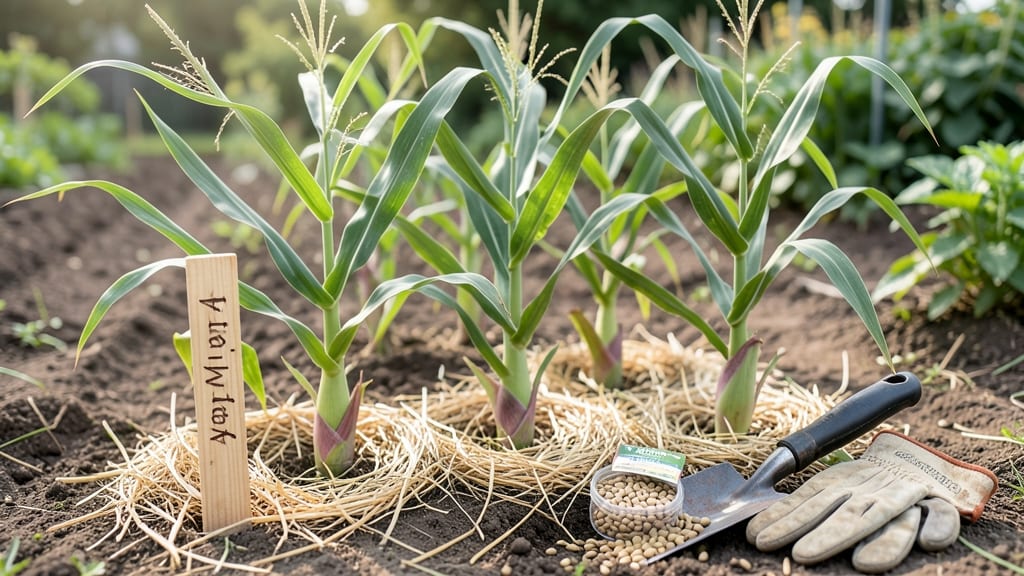
Planting corn in Oklahoma at the wrong time can mean the difference between a bountiful harvest and a disappointing garden. With the state's varied climate zones—from cooler northern regions to warmer southern areas—the perfect planting window shifts dramatically.
If you've ever wondered why your corn plants struggle or fail to thrive, timing is likely the culprit.
For most of Oklahoma, the sweet spot arrives when soil temperatures hit 60°F, usually between late April and early May. But don’t just guess—this window can differ by weeks depending on whether you're in USDA Zone 6b or Zone 8a.
I’ll break down the exact dates you need to know, so you can avoid late frosts and maximize growth.
Whether you're a seasoned gardener or a first-timer, getting corn right in Oklahoma isn’t just about throwing seeds into the ground. It’s about understanding your local microclimate, preparing the soil properly, and choosing the right varieties for your area.
Let’s dive into the details so you can plant with confidence and watch your 🌽 grow strong.
You’ll also discover how to adjust for Oklahoma’s unpredictable weather, from protecting young seedlings to backup planting strategies. By the end, you’ll have a clear roadmap to a thriving corn crop—no more guesswork, just proven results tailored to your corner of the state.
Oklahoma heat Zone planting calendar: exact corn planting dates by region
Oklahoma’s diverse climate zones (USDA 6b through 8a) create wildly different planting windows for corn. In northern Oklahoma, where frosts linger until mid-April, you’ll want to wait until late April to early May—when soil temperatures hit 60°F+.
Meanwhile, southern Oklahoma gardeners can start as early as mid-March in protected beds or early April for direct sowing.
Corn thrives when planted after the last expected frost, but Oklahoma’s unpredictable spring weather demands flexibility. Use a soil thermometer to confirm readiness—corn seeds won’t germinate below 50°F, and slow starts lead to uneven growth.
In central Oklahoma (Zones 7a-7b), aim for mid-April as your target, with a 3-week backup window in case of delays.
Here’s the breakdown you need to plan your corn planting schedule by Oklahoma’s key regions:
| Region (USDA Zone) | Optimal Planting Window | Soil Temp Threshold | Frost Risk | Notes |
|---|---|---|---|---|
| Northern OK (6b) | Late April–Early May | 60°F+ (15.5°C+) | High (last frost: April 15) | Use row covers for early starts |
| Central OK (7a-7b) | Mid-April–Early May | 55°F+ (13°C+) | Moderate (last frost: April 1) | Best for sweet corn varieties |
| Southern OK (8a) | Mid-March–Early April | 50°F+ (10°C+) | Low (last frost: Feb 28) | Risk of early heat stress |
For maximum yields, plant corn in blocks (not rows)—this ensures better pollination and stronger stalks. In Oklahoma’s heat, fast-maturing varieties (like ‘Silver Queen’) are ideal for southern regions, while longer-season types (e.g., ‘Pioneer 33T27’) work better in cooler northern zones.
Always stagger plantings every 2 weeks to extend your harvest window from late summer to fall.
Pro tip: Oklahoma’s clay-heavy soils can compact easily. Amend with compost or aged manure before planting to improve drainage and root development. Corn roots need 12+ inches of loose soil to thrive—don’t skip this step, or you’ll struggle with poor germination or lodging (fallen stalks).
If you’re planting transplants (not direct-seeding), start seeds indoors 6-8 weeks before your target date. Use biodegradable pots to avoid root shock when transplanting outdoors. Harden off seedlings for 5-7 days before moving them to the garden—this critical step prevents shock and stunted growth.
Oklahoma’s summer heat can stress young corn plants, so prioritize morning watering (1–2 inches per week) and mulch heavily with straw to retain moisture. Avoid overhead watering at night—this invites fungal diseases like corn smut, which thrives in humid conditions. Instead, use drip irrigation or soaker hoses for precision.
For late-season plantings, choose short-day varieties that mature faster in Oklahoma’s 90°F+ temperatures. These types (e.g., ‘Peaches and Cream’) can handle heat better than traditional sweet corn. Monitor your plants closely—silking (when tassels appear) is the most critical growth stage.
If silks dry out, pollination fails, and you’ll lose ears. Keep soil consistently moist during this phase.
Don’t forget to check Oklahoma State University Extension’s frost maps for real-time updates. Their localized frost forecasts can shift your planting window by 1-2 weeks depending on your exact location.
For example, Tulsa (Zone 7a) might see a late frost in early April, while Oklahoma City (Zone 7b) could be frost-free by mid-March.
Planting corn in Oklahoma isn’t just about dates—it’s about reading your microclimate. Observe nearby oak trees (they leaf out after frost risk passes) or check local almanac records for your county.
With the right timing, you’ll enjoy ears of corn from July through October—just in time for summer grilling (or canning!).
How to adjust corn planting dates for Oklahoma’s unpredictable weather patterns
Oklahoma’s unpredictable weather can throw off even the most precise planting schedules. Late frosts in April or early May, sudden heatwaves in June, and flash droughts can all disrupt corn growth if you’re not prepared.
The key is flexibility—knowing how to adjust planting dates and protect your seedlings when Mother Nature throws curveballs.
First, always monitor soil temperatures before planting. Corn seeds need soil that’s at least 60°F (15°C) for consistent germination. In northern Oklahoma (USDA Zone 6b), this often means waiting until mid-to-late May, while southern regions (Zone 8a) can start as early as early April.
Use a soil thermometer to avoid guessing.
If frost warnings appear after planting, cover seedlings with frost cloth or row covers. Corn is especially vulnerable in the 2-4 leaf stage. For extra protection, plant in slightly raised beds to warm soil faster.
For drought-prone areas, consider using black plastic mulch to warm soil faster and retain moisture. This lets you plant 1-2 weeks earlier than usual. In my garden, mulch helped me push planting from late May to early May in Zone 7a, shaving critical days off the growing season.
Just remember to remove it once plants reach 6 inches tall to prevent overheating.
If a heatwave hits early, delay planting until temperatures drop below 90°F (32°C) during the day. Heat stress can cause poor pollination and lower yields. Look for heat-tolerant varieties like 'Pioneer 33T27' if your area frequently hits triple digits.
These varieties mature faster, giving them a better chance to complete their life cycle before summer’s end.
For backup planting schedules, Oklahoma State University Extension recommends having a secondary planting plan ready. If your first planting fails due to frost or pests, aim for a second planting by June 15 in most regions.
Choose short-season varieties (60-70 days to maturity) to ensure a harvest before the first frost in October.
Finally, keep an eye on the 7-day forecast before planting. If rain is predicted, delay sowing until the ground dries to avoid waterlogged soil, which can cause seed rot.
In my experience, waiting for a dry spell made all the difference in seedling survival rates. A little patience now can mean bigger ears later.