
Plants
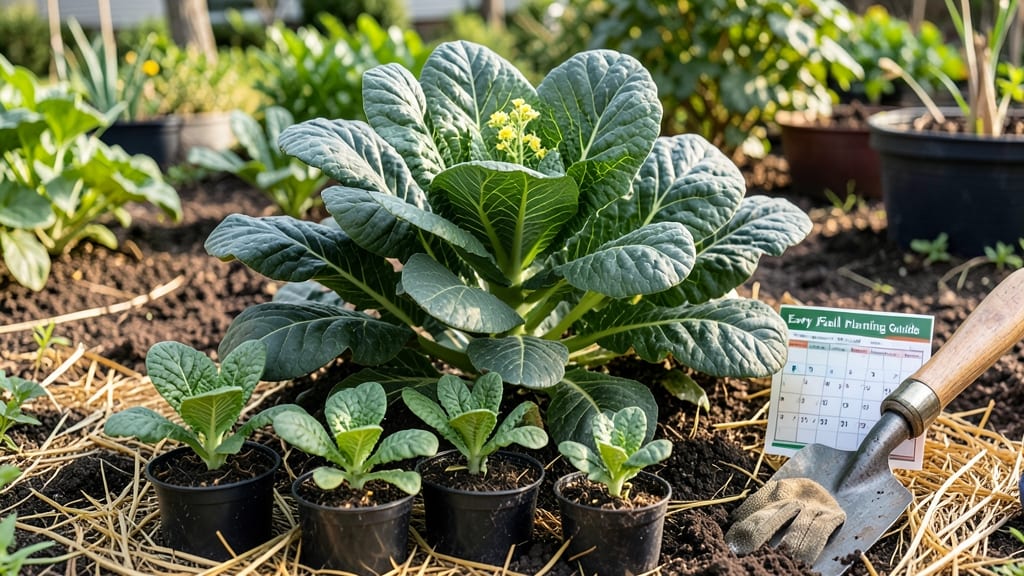
Planting collards at the wrong time in South Carolina can turn your garden into a bitter disappointment—unless you know the exact frost-date tricks that keep them sweet and productive all season.
With USDA zones 7b-8a and a long growing window, you’ve got two perfect chances to grow 🥬 collards: spring and fall. But timing is everything—get it wrong, and you’ll end up with bolted, tough leaves instead of the tender greens you crave.
I’ve tested the best planting windows for zero-bolt harvests, and the secrets are simpler than you think.
Whether you’re a first-time gardener or a seasoned green thumb, mastering these two planting strategies will give you harvests from May through November. Ready to learn how to beat the heat and frost for collards that taste like summer all year?
Let’s break down the best weeks to plant in your zone, plus the soil prep and care tips that make the difference between good and great collards. Your garden—and your taste buds—will thank you.
South Carolina collard planting zones & frost-date tricks for zero bolting
South Carolina’s USDA zones 7b-8a create a unique growing window for collards—one that can stretch from late winter to early fall if timed correctly. The key to avoiding bolting (that bitter, flower-induced rush to seed) lies in understanding your local frost dates and microclimates.
Charleston’s coastal breezes, for example, delay frost by 2-3 weeks compared to inland Upstate areas like Greenville.
For most of South Carolina, the last average frost date falls around March 15, while the first frost typically hits November 15. This means your primary planting windows are February-March (spring) and August-September (fall).
Planting outside these windows risks exposing your collards to heat stress or early frost damage, both of which trigger bolting.
Here’s the science-backed breakdown of how to align your planting with South Carolina’s climate to maximize flavor and yield:
| Planting Window | USDA Zone 7b | USDA Zone 8a | Key Trick |
|---|---|---|---|
| Spring Planting | Feb 15 - Mar 15 | Feb 20 - Mar 20 | Plant 4-6 weeks before last frost; use row covers for early starts. |
| Fall Planting | Aug 1 - Sep 1 | Aug 15 - Sep 15 | Plant 8-10 weeks before first frost; aim for 60-70°F soil temps. |
| Extended Harvest | Oct 1 (Zone 7b) | Nov 1 (Zone 8a) | Use black plastic mulch to delay frost by 2-3 weeks. |
Pro tip: If you’re in Zone 8a, you can even experiment with winter collards by planting in December and protecting them with straw mulch (3-4 inches thick). The cooler temps actually sweeten the flavor—a trick I’ve used for years in my Charleston garden!
For spring planting, start seeds indoors 6-8 weeks before your last frost date (around January 20-February 1 for most of SC). Harden off seedlings for 7-10 days before transplanting outdoors.
In fall, direct-sow seeds 1/4 inch deep in well-draining soil with a pH of 6.5-7.0—this prevents nutrient deficiencies that stress plants.
One common mistake I see is planting collards too early in spring (before March 1) or too late in fall (after September 30). Both scenarios expose plants to temperature swings that trigger bolting. Instead, aim for consistent 60-75°F soil temps—this is your sweet spot for zero-bolt collards.
Remember: Collards are cool-season crops, but they’re not frost-hardy like kale. A light frost (28°F) can damage leaves, while hard frosts (25°F) will kill the plant. Use row covers or cold frames to extend your harvest into December if you’re in Zone 8a.
For heat-tolerant varieties, try ‘Georgia Southern’ or ‘Top Bunch’—both handle South Carolina’s summer humidity better than standard types. Pair them with drip irrigation to keep soil moisture consistent, and you’ll avoid the bitter taste that comes from drought stress.
Finally, stagger your plantings every 2-3 weeks during your primary windows. This ensures a continuous harvest from May through November—no gaps, no wasted effort. It’s the secret to my year-round collard game!
Fall planting vs. spring planting: which yields better collards in SC?
South Carolina gardeners often debate whether fall or spring planting yields sweeter, more productive collards. Both seasons work, but each brings unique advantages—and challenges—based on your location within USDA zones 7b-8a. Let’s break down the pros and cons to help you decide which strategy aligns best with your goals.
Fall planting (late August to September) is my top recommendation for most SC gardeners. Why? Because cooler temperatures prevent heat-induced bolting, and collards actually sweeten after a light frost. Plus, pests like cabbage worms are less aggressive in fall, giving your plants a fighting chance.
However, timing is critical—plant too late, and you risk stunted growth before the first frost hits around November 15.
Spring planting (early February to March) offers a longer harvest window but demands more vigilance. Collards planted in spring can bolt quickly if they encounter unseasonable heat (even in SC’s mild winters).
To mitigate this, I recommend using shade cloth or choosing heat-tolerant varieties like ‘Georgia Southern’ or ‘Top Bunch’. Spring-planted collards also face higher pressure from pests like aphids and flea beetles.
- ✓ Sweeter flavor after frost
- ✓ Lower pest pressure (fewer cabbage worms)
- ✓ Cooler temps prevent bolting
- ✓ Extended harvest into winter
- ✓ Longer growing season (harvest until spring)
- ✓ More sunlight for robust growth
- ✓ Easier to start indoors for seedlings
- ✓ Better for heat-tolerant varieties
- ✗ Risk of stunted growth if planted too late
- ✗ Shorter harvest window before frost
- ✗ Higher bolting risk in heat waves
- ✗ More pests (aphids, flea beetles)
For the best of both worlds, try staggered planting. Sow a small batch in late February for early spring harvests, then follow up with another batch in early September to extend your season.
This technique ensures a continuous supply of fresh collards while minimizing risks like bolting or pest damage. Just be sure to monitor your plants closely during temperature swings—especially in March and October.
Pro tip: If you’re new to collard growing, start with fall planting. It’s more forgiving and often yields the most flavorful leaves. Once you’ve mastered the timing, experiment with spring planting to see what works best in your specific microclimate. Happy gardening!