
Plants
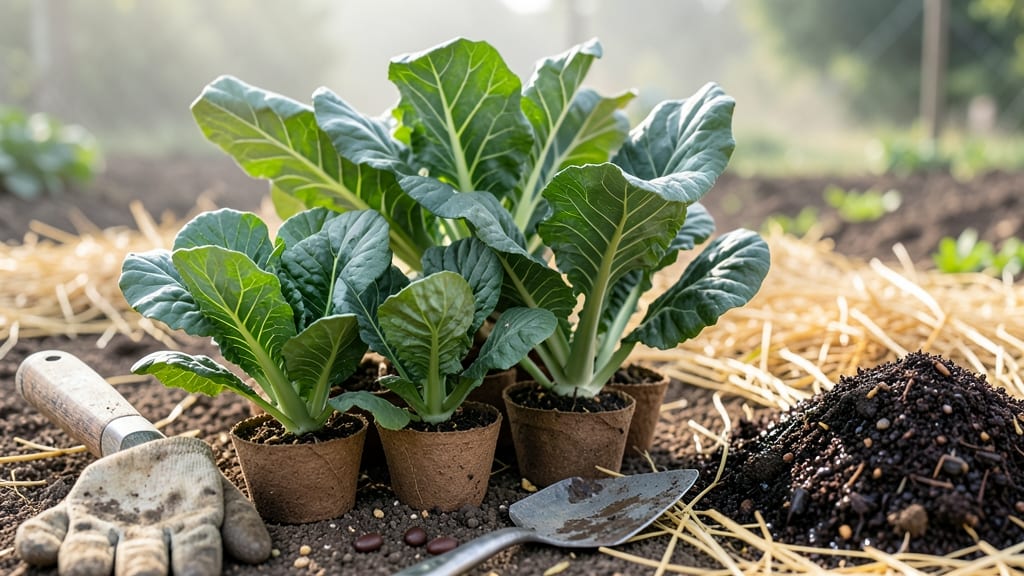
Planting collard greens 🥬 in Tennessee isn’t just about timing—it’s about beating the clock before the first frost or the summer heat sets in.
Whether you're in the cooler Appalachian highlands or the warmer Gulf Coastal Plain, getting the dates right means the difference between a bumper crop and a sad, wilted disappointment.
I’ve learned the hard way that Tennessee’s 6a-7b zones demand precision—spring plantings must go in by April 30 to avoid bolting, while fall crops need to start by September 15 to mature before winter.
But here’s the kicker: your exact last frost date could shift by weeks depending on whether you’re in Nashville, Chattanooga, or Memphis.
In this guide, I’ll break down the exact frost-free windows for your region, plus the 5 critical factors that determine whether your collard greens thrive or struggle. No more guessing—just science-backed timing to ensure your garden delivers tender, flavorful leaves from May through November.
Ready to stop second-guessing and start planting with confidence? Let’s dive into the perfect windows and avoid the mistakes that kill young plants before they even get started.
Tennessee’s frost-free zones and best planting dates for collard greens
Tennessee’s climate varies dramatically from the Appalachian Mountains in the east to the Gulf Coastal Plain in the west, creating 3 distinct planting zones for collard greens.
The last frost date shifts from mid-March in southern regions to late April in the mountains, while the first frost arrives as early as October in the highlands or November in the south.
Collard greens thrive in Tennessee’s USDA Zones 6a-7b, but timing is everything. Plant too early, and frost will kill tender seedlings. Plant too late, and summer heat will cause bolting (flowering) or bitter leaves. Here’s how to pinpoint your exact planting window based on your location.
🌱 Key Takeaway: Tennessee gardeners enjoy two prime planting windows—spring (March-April) and fall (August-September)—with 60-75 days to harvest before frost.
| Region | USDA Zone | Last Frost Date | First Frost Date | Spring Planting Window | Fall Planting Window |
|---|---|---|---|---|---|
| East Tennessee (e.g., Knoxville, Chattanooga) | 6a-6b | April 15 | October 20 | April 15-May 15 | August 15-September 10 |
| Middle Tennessee (e.g., Nashville, Murfreesboro) | 7a-7b | March 20 | November 5 | March 20-April 30 | August 1-September 15 |
| West Tennessee (e.g., Memphis, Jackson) | 7b-8a | March 10 | November 15 | March 10-April 15 | July 20-September 30 |
⚠️ Microclimate Tip: Valley areas frost 2-3 days earlier than hilltops. Use a local frost calendar or plant test crops first.
For East Tennessee gardeners in Zone 6a, the spring window closes by May 15—any later, and summer heat will stress young plants. In contrast, West Tennessee’s Zone 7b offers a longer fall window until September 30, thanks to milder winters.
Use these frost-free days as your guide: collard greens need 60-75 days to mature. In Middle Tennessee, that means planting August 1-September 15 for a fall harvest before the November 5 first frost. In the mountains, shift planting to late August to avoid early frosts.
Pro tip: Check the National Weather Service or Tennessee State University Extension for your local frost dates. Even a 5-day shift can mean the difference between a bountiful harvest and bolted greens.
If you’re in a transition zone (like Chattanooga or Cookeville), err on the side of earlier planting. These areas experience unpredictable late frosts, so starting seeds indoors in late February gives you a head start.
For container gardening, adjust your timeline by 2-3 weeks earlier—pots warm up faster in spring and cool down quicker in fall. Place containers near south-facing walls to extend the season by 10-14 days.
Remember: Soil temperature matters more than air temperature. Collard greens won’t germinate well in cold soil (<50°F). Use a soil thermometer to confirm 55°F+ before planting, especially in high-elevation areas.
🌿 Action Step: Mark your calendar now—spring planting should begin 4-6 weeks before your last frost date, and fall planting should wrap up 8-10 weeks before your first frost.
5 Critical factors that determine your collard greens planting success
Timing isn’t the only factor—your collard greens’ success hinges on soil temperature, heat tolerance, and even daylength sensitivity. I’ve seen plants bolt in 10 days when soil hit 80°F, even with perfect timing. Let’s break down the 5 game-changers that separate thriving plants from sad, stunted failures.
First, soil temperature must stay above 50°F for seeds to germinate. In East Tennessee’s Zone 6a, that means waiting until mid-April, while Memphis’ Zone 7b can start as early as late February. Use a soil thermometer—trust me, your guesses will fail you.
Next, heat tolerance is your limiting factor in summer. Collards handle 85°F but struggle above 90°F. That’s why fall plantings (after Labor Day) often outperform spring ones—cooler nights help them recover from daytime heat. In Nashville’s Zone 7a, I’ve lost entire plantings by ignoring this rule.
Don’t overlook daylength sensitivity. Long summer days trigger bolting (flowering) in just 12-14 hours of light. That’s why I plant spring crops before June 1 and fall crops after August 15—giving plants enough time to mature before daylength becomes problematic.
Here’s where row covers or cold frames save the day. In Zone 6a, they extend the season by 3-4 weeks in spring and 2-3 weeks in fall. I’ve used them to push harvests into December—just remove covers when temps hit 75°F to prevent overheating.
Finally, succession planting is your secret weapon. Instead of one big batch, sow every 2 weeks from March to September. This ensures a continuous harvest and prevents overcrowding. My July-August plantings always yield the sweetest leaves because they avoid early-season pests.
Master these factors, and you’ll turn Tennessee’s unpredictable climate into your collard greens’ advantage. The key? Adapt, observe, and act fast when conditions change.
Pro tip: Keep a gardening journal to track which factors affect your plants most. Mine showed that soil temp was the biggest variable in East Tennessee, while daylength mattered most in West Tennessee. Your notes will reveal your local patterns.
Now you’ve got the science—next, let’s tackle the mistakes that even experienced Tennessee gardeners make (and how to avoid them).