
Plants
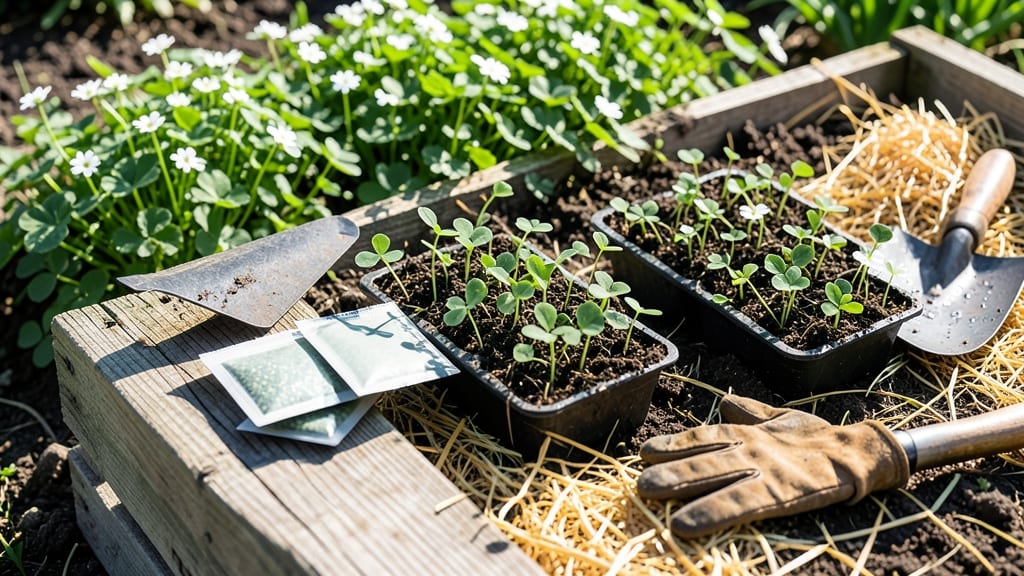
Planting clover at the wrong time in spring could leave you staring at bare soil for weeks, wondering why your seeds refuse to sprout.
The key to fast, reliable germination lies in waiting for the right soil warmth—typically when temperatures hit 50°F or above—and timing it just after your last frost date.
For most gardeners in USDA Zone 6a, that window opens in early spring, around March to April, but regional microclimates can shift those dates by weeks. Too early, and cold soil will delay growth; too late, and summer heat might stress young plants before they establish.
I’ll show you exactly how to check soil temperature, adjust for your local climate, and prepare your seedbed for fast sprouting—plus how to avoid common pitfalls like weed competition or uneven germination.
Whether you’re growing clover for soil improvement or a living mulch, getting the timing right makes all the difference. Let’s break down the steps to turn your spring planting into a successful cover crop from day one.
Optimal soil temperature ranges for planting clover seeds in spring
Getting your clover seeds in the ground at the right time is everything. Unlike some plants that sprout in cool soil, clover needs warmth to break dormancy. Aim for soil temperatures between 45°F and 60°F—this sweet spot varies slightly by clover type and your region.
Planting too early risks rot, while waiting too long can delay germination until summer heat sets in.
White clover, the most cold-hardy variety, can tolerate 45°F soil and often sprouts faster than red or crimson clover. Meanwhile, red clover prefers 50°F–55°F soil, while crimson clover thrives at 55°F–60°F.
These differences explain why timing matters—planting white clover in USDA Zone 3 might work in March, while crimson clover in Zone 10 should wait until April.
To test soil temperature accurately, use a soil thermometer buried 2 inches deep (where seeds will be). Check in the morning for consistency—soil warms up during the day, which can skew readings.
If your thermometer reads below 45°F, wait 1–2 weeks before planting, especially in northern climates where frost can linger.
Planting too early in cold soil leads to seed rot or slow germination, while waiting too long risks weed competition or summer drought stress. For example, in Zone 5, planting white clover in late March (when soil hits 48°F) often yields faster results than waiting until May.
Balance is key—don’t rush, but don’t delay beyond 60°F soil.
| Clover Type | Ideal Soil Temp (°F) | Best USDA Zones | Risk of Early Planting |
|---|---|---|---|
| White Clover | 45–50°F | 3–8 | Seed rot, slow germination |
| Red Clover | 50–55°F | 5–9 | Weed competition, drought stress |
| Crimson Clover | 55–60°F | 6–10 | Overheating, poor establishment |
Microclimates play a huge role in spring planting success. A south-facing slope warms up faster than a shady valley, so adjust your timing accordingly.
For example, in Zone 7, you might plant white clover in early March on a sunny hillside but wait until mid-April in a low-lying area. Always scout your garden for 3–5 days before planting to confirm soil warmth trends.
If your soil is still too cold but you’re eager to plant, consider a black plastic mulch or straw mulch to warm the soil faster. This trick works especially well in Zone 4–5, where spring can be unpredictable.
Just remove the mulch once seeds sprout to avoid overheating. Alternatively, opt for fall planting in mild climates—clover seeds sown in September often germinate in spring when soil warms naturally.
Monitor weather forecasts for 5-day temperature trends rather than relying on a single day’s reading. A sudden cold snap can push soil temps back below 45°F, setting you back.
In Zone 8–10, where winters are mild, you might even plant clover in late winter (February) if soil stays above 50°F. The goal is to align planting with consistent warmth, not just a single warm day.
Once your soil hits the ideal range, act fast—clover seeds lose viability quickly in warm, dry conditions. Prep your seedbed by loosening soil to 1/2 inch deep and keeping it moist (not soggy) for 24–48 hours before sowing.
This step ensures seeds make contact with warm, damp soil, triggering faster germination. Think of it as giving your clover seeds a warm welcome to kickstart their growth.
Remember, clover’s primary role as a cover crop is to improve soil health, fix nitrogen, and suppress weeds. Planting at the right temperature ensures it establishes quickly, outcompeting invasive grasses and delivering benefits sooner.
With the right timing, you’ll see green shoots in 7–14 days, setting the stage for a thriving garden ecosystem.
Optimal soil temperature ranges for planting clover seeds in spring
Clover seeds need warm soil to germinate quickly, but planting too early can leave them vulnerable to frost damage or rot. The ideal soil temperature range for most clover varieties—including white clover, red clover, and crimson clover—is between 45°F and 60°F.
Below 45°F, germination slows dramatically, while above 60°F, seeds may dry out before sprouting.
White clover, the most cold-tolerant type, can handle soil temps as low as 40°F, making it perfect for early spring planting in cooler climates. Red and crimson clover, however, prefer warmer soil (50°F–60°F) and struggle in chilly conditions. Always check your local frost dates and soil warmth before planting.
To test soil temperature accurately, use a soil thermometer buried 2 inches deep—this mimics the depth where clover seeds will germinate. Early mornings are best for testing, as soil cools overnight.
If your soil is still below 45°F in spring, wait 1–2 weeks or use a row cover to warm the soil faster.
🌱 Clover Soil Temperature Guide
| Clover Type | Ideal Soil Temp | Risk Below 45°F | Best Months |
|---|---|---|---|
| White Clover | 40°F–55°F | Slow germination | March–April |
| Red Clover | 50°F–60°F | Fungal rot | April–May |
| Crimson Clover | 55°F–65°F | Seed dormancy | May–June |
💡 Pro Tip: Mix clover seeds with sand for even distribution and cover lightly with 1/4-inch soil to retain moisture.
Planting clover too early—when soil is still cold and wet—can lead to seed rot or mold. Conversely, waiting until soil exceeds 65°F may cause seeds to dry out before germinating.
In USDA Zone 5 or colder, aim for late April to early May when soil consistently stays above 50°F.
For faster soil warming, till in compost or aged manure 1–2 weeks before planting. This raises soil temperature by 2–5°F and improves drainage. Avoid fresh manure, which can burn seeds and attract pests.
If your spring is unpredictable, opt for white clover—it’s the most resilient choice for early-season planting.
Once your soil hits the sweet spot, clover seeds typically sprout in 7–14 days. Keep the seedbed moist but not soggy during germination, and thin seedlings to 6–12 inches apart once they’re 2–3 inches tall. Thinning ensures stronger growth and reduces competition for nutrients.