
Plants
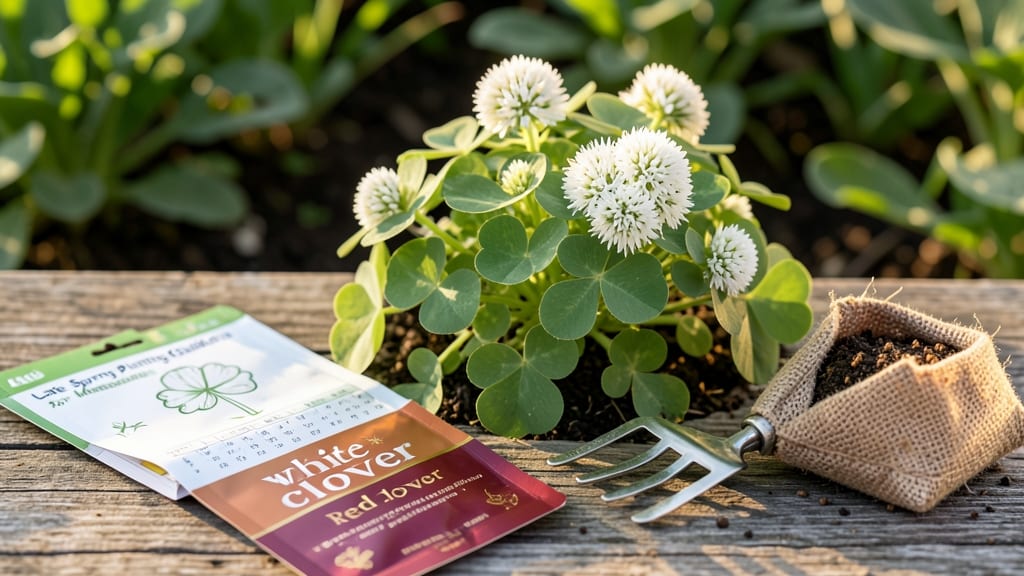
Planting clover in Massachusetts at the wrong time can mean wasted seeds and missed opportunities for a lush, low-maintenance lawn or erosion control.
The key to success lies in understanding your local climate—whether you're in coastal New Bedford or inland Worcester—because timing directly impacts how well this hardy plant establishes itself.
Most Massachusetts gardeners swear by two planting windows: early spring, just as the frost lifts around March to April, or early fall when temperatures start to cool in September to October.
But why these specific months? It comes down to soil temperature and moisture balance, which are critical for 🌱 clover seeds to germinate without competing with weeds or succumbing to summer heat.
If you're using clover for pollinator support, erosion control, or even as a natural lawn alternative, getting the timing right means the difference between a patchy, struggling ground cover and a vibrant, resilient green space.
I’ll break down the exact steps for preparing your soil and choosing the best window for your specific region—so you can plant with confidence.
Ready to transform your yard? Let’s dive into the best practices for Massachusetts clover planting, from soil prep to seasonal adjustments that will set you up for success all year long.
Optimal Massachusetts planting windows for clover: fall vs spring breakdown
Massachusetts' USDA Zone 5-6a climate gives you two prime windows to plant clover: early spring and early fall. Each season offers unique advantages—spring lets you establish roots before summer heat, while fall gives clover time to grow before winter dormancy.
Let’s break down the best timing for each, including soil temperature thresholds and frost risk specific to your region.
For spring planting, aim for mid-March to early April—after the last average frost date (April 15) but before soil temperatures exceed 70°F.
Coastal areas like Barnstable or Nantucket can plant slightly earlier (late February), while inland zones like Pittsfield or Worcester should wait until mid-April to avoid late frosts. Red clover and white clover germinate best at 50-70°F soil temps.
Fall planting is equally critical—sow mid-September to early October to allow 4-6 weeks of growth before the first frost (October 15). This window ensures roots establish before winter dormancy. White Dutch clover, a popular choice, thrives when planted in fall for early spring blooms.
Avoid planting after mid-October, as seedlings won’t have time to root before freezing.
Here’s how microclimates across Massachusetts affect timing:
| Planting Window | Soil Temp Threshold | Frost Risk | Best Clover Varieties | MA Regions |
|---|---|---|---|---|
| Spring (March-April) | 50-70°F | Low (post-April 15) | Red clover, White clover | All zones (coastal: Feb-Mar) |
| Fall (Sept-Oct) | 55-65°F | Moderate (pre-Oct 15) | White Dutch, Crimson clover | Inland: Sept 20-Oct 10 |
| Avoid | Below 45°F or above 80°F | High (Nov-Apr) | N/A | All (frost-sensitive) |
Pro tip: Use a soil thermometer to confirm temps—clover seeds won’t germinate below 45°F. In Western MA’s higher elevations (e.g., Berkshires), wait until May 1 for spring planting due to later frost dates.
Coastal areas like Cape Cod can start as early as late February if using cold-hardy varieties like Alsike clover.
Germination timing varies by variety: White clover sprouts in 7-14 days, while Red clover takes 10-21 days. Plan accordingly—fall-planted clover should show sprouts before November 1 to survive winter. If you’re using clover for erosion control or pollinator support, prioritize fall planting for earlier blooms next spring.
One common mistake? Planting clover in summer heat (June-August). Seeds dry out before germinating, and seedlings struggle with MA’s intense midday sun. Save summer for overseeding established clover lawns. For best results, align your planting with local rainfall patterns—September often brings steady showers, reducing irrigation needs.
🌱
Optimal Massachusetts planting windows for clover: fall vs spring breakdown
Massachusetts’ cool, humid climate (USDA zones 5-6a) creates two ideal windows for planting clover: early spring and early fall. Each offers unique advantages, but timing matters—miss the window, and you risk frost damage or poor germination. Let’s break down the best months for each season.
For spring planting, aim for March to early April, once soil temperatures consistently reach 45°F. This gives seeds 8-10 weeks of warm weather before summer dormancy.
In western MA (zone 6a), you might push planting to mid-April, but coastal areas (like Barnstable) should start earlier due to milder springs.
Fall planting, however, is often more reliable in Massachusetts. Sow seeds between late August and mid-September to allow roots to establish before first frost (mid-October). This method reduces early-season weeds and gives clover a head start for spring regrowth.
Inland areas (like Worcester) may need to plant by late August, while coastal zones can extend to early October.
| Factor | Spring Planting (Mar-Apr) | Fall Planting (Aug-Sep) |
|---|---|---|
| Soil Temp Threshold | 45°F+ | 50°F+ |
| Frost Risk | Low (after April 15) | High (after Oct 15) |
| Germination Time | 7-14 days | 10-21 days |
| Weed Competition | Moderate | Low |
| Best For | Fast ground cover | Long-term establishment |
Regional microclimates in Massachusetts play a huge role. For example, Berkshire County’s cooler nights may delay spring planting by 1-2 weeks compared to Cape Cod’s warmer coastal air. Always check the UMass Extension Service for localized frost dates—your best defense against timing mistakes.
Both seasons work, but fall planting often yields thicker, hardier clover by next spring. The key is soil prep: loosen the top 2-3 inches of soil and mix in compost to improve drainage, especially in clay-heavy areas like central MA.
Avoid planting after alfalfa or peas to prevent soil-borne diseases.
Remember: Clover thrives on patience. Whether you choose spring or fall, give seeds 6-8 weeks of undisturbed growth before expecting full coverage. The earlier you plant, the sooner you’ll enjoy its nitrogen-fixing benefits and pollinator-friendly blooms.