
Plants
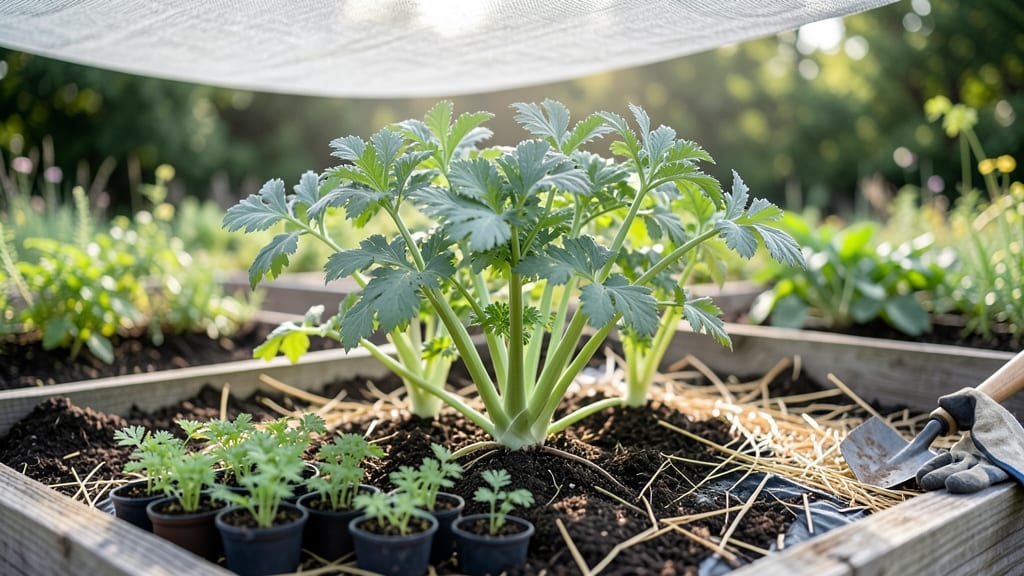
Planting celery in Louisiana’s humid climate can feel like a gamble—too early, and frost zaps your seedlings; too late, and the heat sends them bolting. But get the timing right, and you’ll enjoy crisp, homegrown 🥬 stalks straight from your garden.
The key is working with Louisiana’s 8a-9b zones, where fall and early spring are your best bets. Skip the summer months, and you’ll avoid the dreaded rot and bolting that turn your celery into a sad, stringy mess.
Whether you’re sowing seeds or transplanting seedlings, I’ll break down the exact windows—February-March for spring harvests and August-September for fall crops—plus pro tips to beat Louisiana’s humidity.
Ready to grow celery that’s bold, crisp, and ready to harvest? Let’s dive into the schedule that actually works in the Bayou state.
Optimal planting windows for celery in Louisiana’s climate zones
Celery thrives in Louisiana’s cool-season windows, but the state’s humidity and heat demand precise timing. Unlike northern climates, Louisiana’s USDA Zones 8a-9b allow for two planting seasons: early spring and late summer. The key? Avoiding bolting from heat stress and rot from excessive moisture.
For spring harvests, plant February to March—just as soil temperatures hit 50°F (10°C).
This aligns with Louisiana’s last frost date (Feb 15), giving stalks 120-150 days to mature before summer’s intensity. Fall crops should go in August to September for harvests before the first frost (Dec 1).
Here’s how humidity affects germination: Celery seeds need consistent moisture but poor drainage causes rot. Louisiana’s clay-heavy soils often need amendments like compost to improve airflow. Direct sowing is risky—transplant 4-6 week seedlings instead for better control.
In Zone 8a (northern LA), aim for March 1-April 15 spring planting and August 15-Sept 15 fall. Zone 9b (southern LA) gardeners can stretch spring to April 1 and fall to Sept 30, but watch for earlier heat stress.
🌱
📅 Celery Planting Comparison: Louisiana Zones 8a vs. 9b
| Factor | Zone 8a (Northern LA) | Zone 9b (Southern LA) | Key Tip |
|---|---|---|---|
| Spring Planting Window | Feb 15 - Mar 15 | Mar 1 - Apr 1 | Soil must be 50°F+ |
| Fall Planting Window | Aug 15 - Sept 15 | Aug 1 - Sept 30 | Avoid planting after Sept 30 in Zone 9b |
| Harvest Window | May - June | Nov - Dec | Harvest before 90°F+ heat |
| Biggest Risk | Late frost | Heat bolting | Use shade cloth in summer |
| Soil Prep | Add compost | Raise beds | Test pH: 6.0-6.8 |
Direct sowing celery in Louisiana is high-risk due to slow germination (14-21 days) and seed rot. Instead, start seeds indoors 10-12 weeks before transplanting. Use seedling trays with well-draining mix and keep temps at 60-65°F (15-18°C).
For succession planting, stagger transplants every 2-3 weeks in spring/fall. This extends harvests by 4-6 weeks—critical in Louisiana’s short cool seasons. Container growing works too: Use 5-gallon pots with moisture-retentive soil and place in partial shade.
Watch for heat stress signs: Yellowing leaves or bolting stalks mean it’s too hot. In Zone 9b, provide 30% shade cloth during 10 AM-4 PM in summer. Mulch heavily to keep roots cool and moist.
Container-grown celery in Louisiana can harvest year-round if you rotate crops. Plant spring batches in March, fall batches in August, and keep containers in dappled shade during peak summer. Just ensure pots have drainage holes!
💧
Optimal planting windows for celery in Louisiana’s climate zones
Louisiana’s USDA zones 8a-9b offer two prime windows for growing crisp, flavorful celery: early spring and late summer. The key is avoiding extreme heat (which causes bolting) and heavy humidity (which invites rot). Let’s break down the best times to plant based on your region’s microclimate.
For spring plantings, aim for February to early March—just after the last frost (typically mid-February) but before soil temperatures exceed 80°F (27°C). This gives celery 90-120 days to mature before summer’s oppressive heat sets in.
In northern Louisiana (8a), you might squeeze in a second planting by late July for a fall harvest.
For fall/winter plantings, August to mid-September is ideal. This timing ensures seedlings establish roots before cooling temperatures slow growth. In southern Louisiana (9b), where winters are milder, you can extend plantings into early October for harvests through December or January.
| Planting Window | Best For | Soil Temp | Harvest Window | Key Challenge |
|---|---|---|---|---|
| February–March (Spring) | Zones 8a-9b | 50–75°F (10–24°C) | May–June | Bolting risk if planted too late |
| August–September (Fall) | Zones 8a-9b | 60–78°F (15–26°C) | November–December | Fungal diseases in wet conditions |
| Late July (Northern LA) | Zone 8a only | 70–78°F (21–26°C) | October–November | Heat stress during germination |
Direct sowing is risky in Louisiana’s heat, so I recommend starting seeds indoors 10–12 weeks before transplanting. Use biodegradable pots to avoid root disturbance when moving seedlings outdoors. Harden them off for 7–10 days before planting, especially if transplanting in humid August conditions.
For container gardening, choose deep pots (at least 12 inches deep) with drainage holes. This method works well for urban gardeners or those with poor soil drainage. Containers also let you move plants to shadier spots during peak afternoon heat, reducing stress.
Pro tip: Mark your calendar for succession planting every 2–3 weeks in spring and fall. This ensures a continuous harvest and maximizes your garden’s productivity. Just remember—celery hates competition, so space plants 12–18 inches apart for optimal stalk development.