
Plants
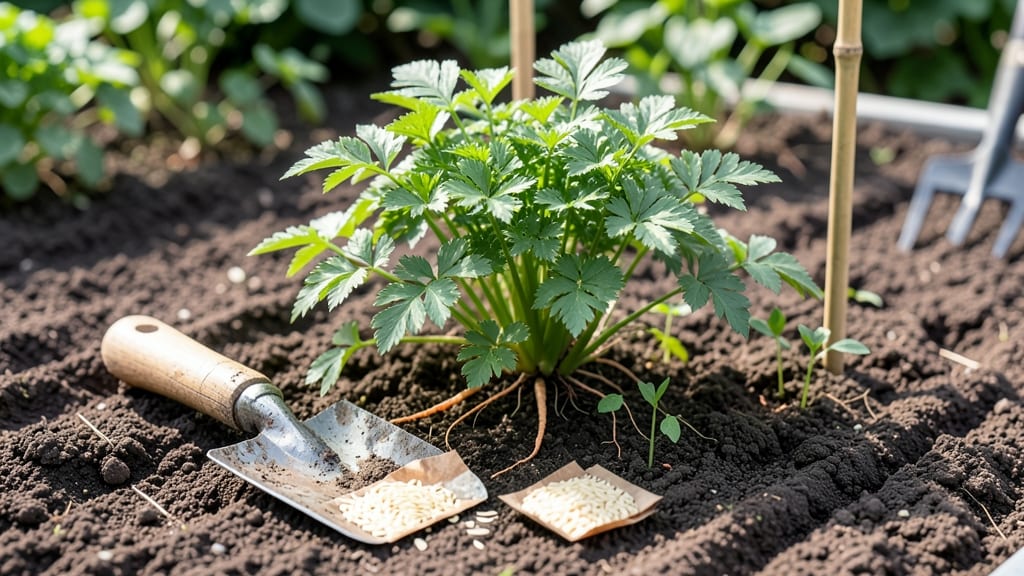
Timing your fall carrot planting is the secret to growing sweet, crisp 🥕 roots that beat summer’s heat and winter’s chill. Plant too early, and you’ll face bitter, stunted harvests—too late, and frost will ruin your hard work. The key? Soil temperature, not just calendar dates, which most gardeners overlook.
In Zone 6a, like many regions, the perfect window opens 4-6 weeks before your first frost, typically in late August or early September.
This timing lets your carrots mature before cold sets in, avoiding the common mistake of planting when soil is still too warm or too cool for ideal germination.
Why does this matter? Fall-planted carrots develop deeper flavor and texture when grown in cooler weather, plus you skip the summer pests that plague spring plantings. I’ll show you exactly how to time it right, adjust for your climate, and keep your harvest fresh until November.
Ready to grow perfect carrots? Let’s break down the soil temp triggers, regional tweaks, and care tips that’ll make your fall harvest the best yet—no guesswork, just crisp, sweet roots every time.
Fall carrot planting timeline by soil temperature (not calendar date)
Most gardeners focus on calendar dates when planting fall carrots, but the real secret to success lies in soil temperature. Carrots germinate best when soil is between 55–75°F—too hot or cold, and you’ll face slow sprouting or poor root development.
Unlike spring planting, fall offers a second chance to grow sweet, crisp carrots without summer’s heat stress, but timing is everything.
Your USDA hardiness zone determines the exact window, but the rule of thumb is to plant 4–6 weeks before your first frost date. This gives roots time to mature before winter sets in.
For example, in Zone 5, that means aiming for early September, while Zone 9 gardeners can plant as late as October. The key is balancing frost risk with soil warmth.
To test soil temperature accurately, use a soil thermometer (insert 2 inches deep) in the late afternoon. If it’s below 55°F, wait a few days—cold soil delays germination by weeks. In hotter zones, aim for the upper end (65–75°F) to avoid bolting (premature flowering) from heat stress.
This precision avoids the common mistake of planting too early and watching carrots bolt or too late and risking frost damage.
Regional adjustments matter: In northern climates (Zones 3–5), focus on late August to early September planting, while southern zones (7–10) can extend planting into October or even November.
The goal is to harvest before hard frosts (20°F or below) turn roots woody or bitter. Use your local frost date calculator to pinpoint the perfect window.
Late-summer planting (e.g., mid-August in Zone 6) can yield sweeter carrots because cooler fall nights enhance sugar development. However, this risks carrot rust fly infestations, which thrive in warm soil.
Early fall planting (late August–early September) strikes a balance: warm enough for germination but cool enough to deter pests. For pest control, interplant with leeks or onions, which repel flies naturally.
If you’re in a transition zone (e.g., Zone 7), split your planting into two batches: one in early September for a late fall harvest and another in mid-October for a winter-protected crop.
This strategy maximizes yield and extends your harvest window. Always choose short-day varieties like ‘Danvers’ or ‘Nantes’ for fall, as they resist bolting better than long-day types.
Pro tip: Mark your planting dates on a garden calendar alongside soil temperature notes. Over time, you’ll refine your local timing based on microclimates (e.g., south-facing beds warm faster). Pair this with succession planting every 2 weeks to ensure a steady supply of fresh carrots through November.
One final caution: Avoid planting when daytime highs exceed 85°F, even in fall. Heat stress causes carrots to bolt or develop woody cores. If your zone’s fall weather stays hot, opt for shade cloth (30–50%) or plant in afternoon shade until soil cools.
By focusing on soil temperature rather than calendar dates, you’ll unlock the potential for flawless fall carrots—crisp, sweet, and free of summer’s common pitfalls. The effort pays off with harvests that last until the first hard frost. 🥕
Fall carrot planting timeline by soil temperature (not calendar date)
Most gardeners assume fall carrot planting follows a simple calendar rule—like "plant in September"—but the real secret lies in soil temperature. Carrots germinate best when soil hovers between 55–75°F, a window that shifts by USDA zone and even weekly as summer fades.
Planting too early (when soil is still warm) risks bolting or bitter roots, while waiting too long (when nights cool) slows germination. I’ve learned the hard way that a soil thermometer is worth its weight in compost!
Your local first frost date sets the outer limit, but the magic happens 4–8 weeks before frost, depending on your zone. For example, in Zone 6a (like my garden), I aim for mid-August to early September—when soil cools to 65°F after afternoon heat.
In colder Zone 3, you’ll need to start earlier (late July) to avoid frost damage before roots mature.
| US Hardiness Zone | Ideal Soil Temp Range (°F) | Planting Window (Weeks Before First Frost) | Key Soil Prep Steps |
|---|---|---|---|
| 3–5 | 55–65°F | 10–12 weeks | Add compost; loosen clay soil |
| 6–8 | 60–70°F | 8–10 weeks | Test pH (6.0–6.8); avoid sandy soil |
| 9–10 | 65–75°F | 6–8 weeks | Mulch heavily; use shade cloth if hot |
Testing soil temperature is easier than you think: Stick a soil thermometer 2–3 inches deep (where roots grow) in the shade between 10 AM–2 PM. If it’s below 55°F, wait a week—carrots won’t germinate in cold soil.
Pro tip: In Zone 9–10, use shade cloth to cool soil if temps creep above 80°F, which stresses seedlings. I’ve seen germination drop from 90% to 30% when soil overheats!
Late-summer planting (August) offers sweeter carrots because cooler nights boost sugar content, but watch for carrot rust fly and wireworms, which thrive in warm soil. Early-fall planting (September) reduces pests but may yield slightly less sweet roots.
My compromise? I plant half in August (for sweetness) and half in September (for pest avoidance), then rotate crops next year to break pest cycles.
Don’t let daylight length fool you—carrots don’t bolt from short days like lettuce. Instead, focus on soil warmth and moisture. After sowing, keep seeds moist (not soggy) with 1 inch of water weekly until true leaves appear.
Mulch with straw to stabilize soil temps and retain moisture, especially in Zone 3–5 where swings between day/night temps are extreme.
For Zone 6a gardeners like me, aim to harvest by mid-November before hard frost sets in. If you’re in Zone 9–10, you can push harvests into December with heavy mulching, but expect slower growth as days shorten.
The key is balance: Plant early enough for roots to mature, but late enough to avoid summer’s heat stress.