
Plants
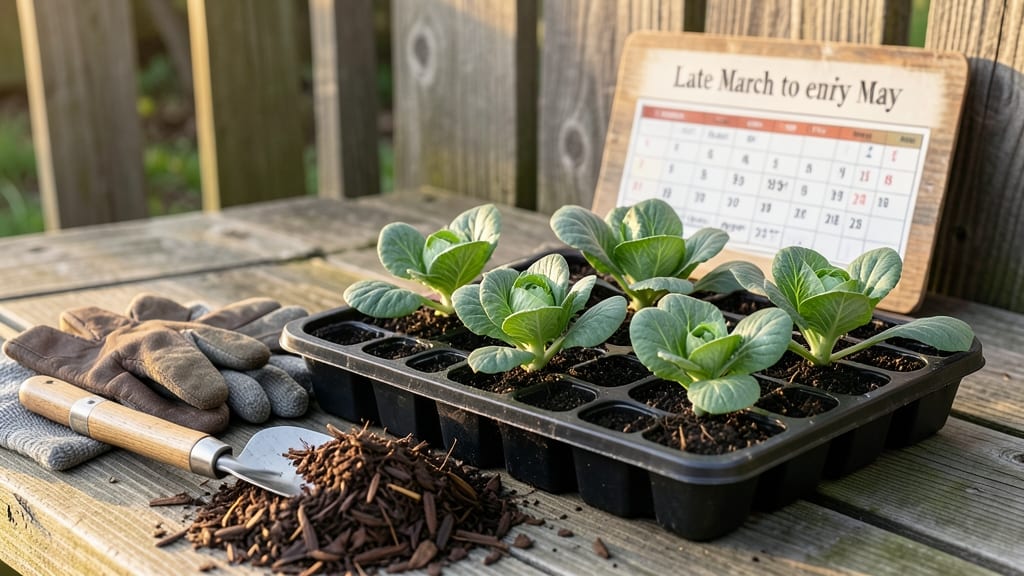
Planting cabbage in Indiana at the wrong time can mean the difference between a bountiful harvest and a sad, wilted disappointment—but getting the timing right is easier than you think. The key lies in understanding your local frost dates and choosing between two perfect windows: early spring or late summer.
If you're in USDA Zone 6a, like most of Indiana, your 🥬 cabbage thrives when planted between March 15 and April 30 for spring harvests, or again from August 15 to September 15 for fall crops.
These dates align with Indiana's average last frost date (around April 15) and first frost (mid-October), giving your plants the 10-12 weeks they need to mature before cold sets in.
Why does timing matter so much? Because cabbage hates heat stress and unpredictable weather—plant too early, and frost will damage tender seedlings; too late, and your heads might bolt or split before harvest.
I’ll show you exactly how to adjust for Indiana’s microclimates, whether you’re in cooler northern areas or warmer southern regions.
Ready to grow crisp, flavorful heads instead of struggling with stunted plants? Let’s break down the best methods for seed starting, transplanting, and spacing—plus how to protect your cabbage from Indiana’s most common planting pitfalls. Your garden (and taste buds) will thank you!
Indiana cabbage planting timeline: exact months by variety type
Indiana’s USDA Zones 5-6 create a unique challenge for cabbage growers—cool springs and warm summers demand precise timing. Plant too early, and frost will damage tender seedlings. Too late, and your heads won’t mature before summer heat triggers bolting.
The key? Two distinct planting windows: early spring and late summer, each tailored to cabbage varieties.
For head cabbage (like Golden Acre or Early Jersey Wakefield), aim for March 15–April 30 for spring harvests or August 15–September 15 for fall. Bok choy and kale, however, are more flexible—they tolerate cooler temps and can even be sown as late as June 15 for a late-summer harvest.
Understanding these windows ensures you avoid stunted growth or bitter flavors from heat stress.
Here’s the breakdown of Indiana’s cabbage planting timeline, including soil temps, frost risks, and ideal harvest windows for each variety:
| Variety | Planting Window | Soil Temp | Frost Risk | Harvest Time |
|---|---|---|---|---|
| Head Cabbage (Golden Acre) | March 15–April 30 | 45–55°F | High (last frost: April 15) | June–July |
| Head Cabbage (Early Jersey Wakefield) | August 15–September 15 | 50–60°F | Low (first frost: Oct 15) | October–November |
| Bok Choy (Toy Choy) | March 1–June 15 | 40–50°F | Moderate (varies) | April–August |
| Kale (Winterbor) | April 1–July 15 | 45–55°F | Low (cold-hardy) | June–October |
Notice how head cabbage requires cooler soil temps (45–55°F) to prevent bolting, while kale thrives in warmer springs (45–55°F) and even tolerates light frosts.
This is why northern Indiana (Zone 5) gardeners often push spring plantings to late April to avoid frost damage, whereas southern Indiana (Zone 6) can start as early as mid-March.
For fall plantings, focus on August 15–September 15 to ensure heads mature before October’s first frost. Use slow-bolting varieties like ‘Badger Shipper’ if you’re in Zone 5, as cooler nights help delay flowering.
In Zone 6, you can extend the window to September 30 with row covers to protect against early frosts.
Pro tip: Test your soil temperature with a thermometer—head cabbage won’t germinate well below 45°F. If your soil is too cold, wait 1–2 weeks or use black plastic mulch to warm it faster. This small step can mean the difference between healthy transplants and failed germination.
Timing isn’t just about months—it’s about microclimates
How to adjust cabbage planting dates for Indiana’s microclimates
Indiana’s USDA Zones 5-6 create distinct planting challenges—northern Indiana’s colder springs (Zone 5) often delay soil warming, while southern Indiana’s milder winters (Zone 6) allow extended fall harvests. Adjusting your planting timeline by just a few weeks can mean the difference between thriving cabbage and stunted growth.
For Zone 5 gardeners (northwest Indiana), start seeds indoors 4-6 weeks before your average last frost (typically April 15). Use row covers to protect seedlings until soil temperatures reach 45°F—this can add 2-3 weeks of growing time before transplanting outdoors.
In Zone 6 (southern Indiana), you’ve got more flexibility. Plant direct-seeded cabbage as early as March 15 for a spring harvest, or push fall plantings until September 15 to take advantage of warmer soils. A soil thermometer is your best tool—aim for 50°F+ for consistent germination.
Don’t overlook elevated beds—they warm 1-2 weeks earlier than ground soil, giving you a head start in colder microclimates. Fill them with a 50/50 mix of garden soil and compost to improve drainage, which cabbage despises when roots sit in cold, soggy conditions.
For late summer plantings, prioritize bolting-resistant varieties like ‘Golden Acre’ or ‘Winterbor’—they tolerate Indiana’s heat spikes better than standard types. Space them 18-24 inches apart to prevent competition, and mulch with straw to retain moisture during dry spells.
Pro tip: In Zone 5, use black plastic mulch to raise soil temps by 5-10°F—this lets you plant 2 weeks earlier than bare soil. Just remove it before harvest to avoid bitter flavors.