
Plants
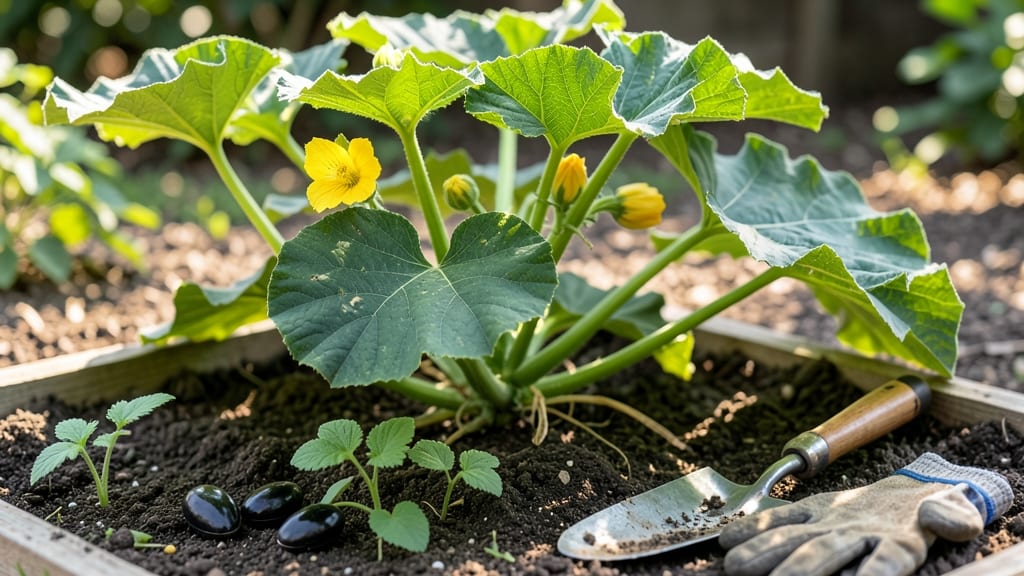
Planting butternut squash 🎃 in Florida isn’t just about timing—it’s about beating the heat while avoiding the humidity’s worst traps. Skip the wrong window, and your vines will wilt before they even flower, leaving you with nothing but empty rows. But get it right, and you’ll harvest sweet, golden fruit from June through December—no frost to worry about here.
Most Florida gardeners make one of two mistakes: planting too early when the soil is still cool, or waiting until summer’s scorching sun zaps their seedlings before they sprout.
The sweet spot is actually March-May for spring and August-September for fall, when temperatures cooperate just enough to give your squash a fighting chance. North Florida’s cooler nights? They’ll need extra warmth. South Florida’s relentless sun? You’ll want shade cloth on hand.
Here’s the game-changer: soil temperature matters more than the calendar. Wait until the ground hits at least 60°F—use a simple soil thermometer to check—before dropping those seeds. Black plastic mulch can shave weeks off that wait, but even then, patience is key.
Rush it, and your plants will bolt (flower too fast) or rot in the damp heat. Get it right, though, and you’ll enjoy a harvest that lasts well into winter.
Ready to turn your Florida garden into a butternut squash powerhouse? I’ll walk you through the exact steps—from soil prep to heat-proofing your plants—so you can skip the guesswork and start planting with confidence. Let’s make this your most successful growing season yet.
Florida heat zone planting calendar: best start dates by region
Florida’s frost-free climate gives butternut squash gardeners two prime planting windows: spring and fall. However, the state’s 11 heat zones (8A-11) create microclimates where timing matters. North Florida’s cooler winters demand earlier starts, while South Florida’s heat requires strategic fall planting to avoid summer stress.
For spring planting, aim to sow seeds or transplant seedlings when soil temperatures hit 60°F—typically mid-March to April in North Florida and February to March in Central/South Florida.
Fall planting should occur 8-10 weeks before first frost (rare but possible in North Florida by December 15), so August to early September works best.
Here’s how to align your planting with Florida’s zones for maximum yield:
| Heat Zone | Spring Planting Window | Fall Planting Window | Soil Temp Requirement | Key Tip |
|---|---|---|---|---|
| 8A (North FL) | Mid-March to April | August to early Sept | 60°F+ | Use black plastic mulch to warm soil faster. |
| 9A (Central FL) | Late Feb to March | Late July to Aug | 65°F+ | Transplant seedlings for faster growth. |
| 10A (South FL) | Jan to Feb | Sept to Oct | 70°F+ | Avoid summer planting—heat stress kills seedlings. |
Direct sowing is ideal for Florida’s climate, but transplanting seedlings (purchased or home-grown) can shave 2-3 weeks off your growing time. If you choose this route, start seeds indoors 3-4 weeks before your zone’s outdoor planting window. Use biodegradable pots to avoid root disturbance when transplanting.
For North Florida gardeners, watch for unexpected cold snaps in spring. If temperatures dip below 50°F, cover young plants with frost cloth or row covers. In South Florida, the bigger challenge is summer heat—planting in fall lets you avoid the 90°F+ stress that stunts growth.
Butternut squash thrives with 85-100 days to maturity, so calculate backward from your first frost date (or your target harvest month). For example, a November harvest in North Florida means planting in August, while a July harvest in South Florida starts with March planting.
Pro tip: Test your soil temperature with a soil thermometer before planting. Butternut squash seeds won’t germinate below 60°F, and slow starts invite pests like cucumber beetles. If your soil is too cool, use black plastic mulch to raise temperatures 5-10°F faster.
Florida’s humidity also plays a role—overhead watering can spread fungal diseases like powdery mildew. Water at the base of plants in the morning to let foliage dry quickly. Pair this with well-draining soil (amend with compost) to prevent root rot, a common issue in Florida’s clay-heavy soils.
🎃
How to adjust planting for Florida’s unpredictable weather patterns
Florida’s humidity, sudden rain, and late-summer heat waves can derail butternut squash growth if you’re not prepared. Unlike northern climates, Florida’s frost-free seasons mean we focus on heat stress and soil moisture management instead.
Young squash plants, especially those under 60°F soil temps, wilt quickly in our 90°F+ afternoons—so timing and prep matter more than in cooler regions.
Start by testing your soil temperature with a soil thermometer—butternut squash seeds need 60-70°F soil to germinate. In North Florida (Zones 8A-9A), wait until mid-March to avoid late-winter cold snaps that can stunt seedlings.
In South Florida (Zones 10A-11), you can plant as early as February, but use shade cloth if daytime temps exceed 85°F during germination.
Use black plastic mulch to raise soil temps 5-10°F faster than bare earth. Lay it down 2 weeks before planting in cooler zones like Panhandle Florida.
For South Florida gardens, opt for straw mulch instead—it retains moisture better in our high-humidity summers and prevents soil-borne diseases like powdery mildew.
Watering deeply in the morning (before 9 AM) prevents fungal diseases that thrive in Florida’s 90% humidity. Avoid overhead sprinklers—they spread powdery mildew and downy mildew on squash leaves.
Instead, use drip irrigation or soaker hoses placed 6 inches from vines. During hurricane season (June-November), ensure your garden has proper drainage to avoid root rot from standing water.
If your fall planting coincides with September’s heat, give young plants afternoon shade with a 30% shade cloth until they’re 2 feet tall. This buys time for roots to establish before October’s cooler temps arrive.
In North Florida, where December frosts are possible, plant fall varieties by August 15 to harvest before first frost.
Monitor leaf color for stress signals: Yellowing leaves = overwatering or nutrient deficiency; brown edges = underwatering or salt buildup from Florida’s hard water. Amend soil with compost and a balanced 10-10-10 fertilizer at planting, then side-dress with aged manure when vines reach 3 feet to support fruiting.