
Plants
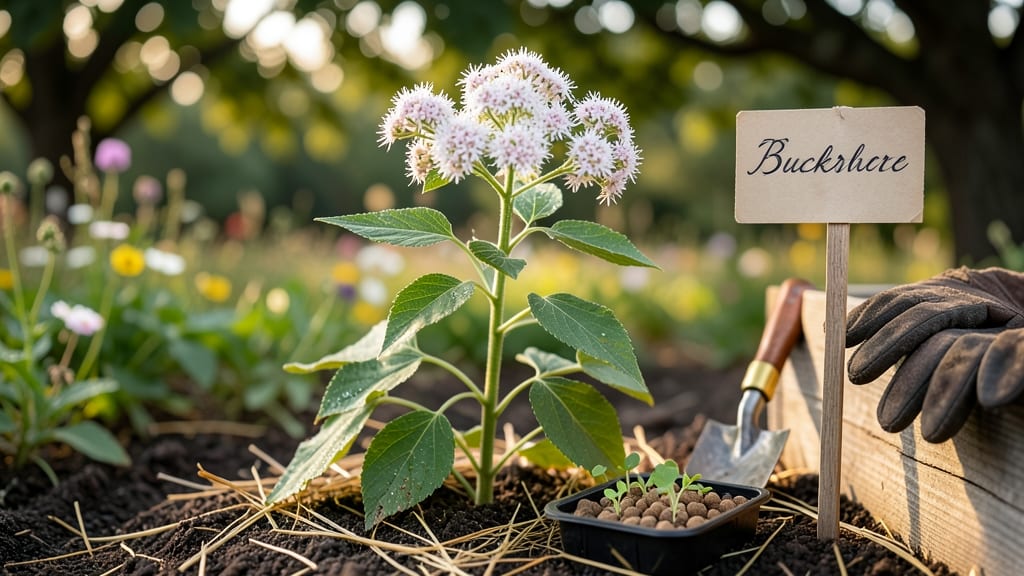
Planting buckwheat at the right time in North Carolina can mean the difference between a fast, thriving crop and one that struggles to take off. This hardy summer plant 🌾 needs precise timing to germinate quickly and avoid heat stress, especially when grown for grain or as a cover crop.
Most gardeners in NC’s 6a-8b zones know buckwheat thrives in warm soil, but the exact window depends on your region. Whether you're in the Coastal Plain, Piedmont, or Mountains, planting too early risks frost damage, while waiting too long can lead to poor yields.
The key is understanding your local frost dates and soil temperature trends.
For maximum speed and success, aim for late spring to early summer (April-June) or late summer (August-September). This two-season approach lets you take advantage of NC’s warmest months, ensuring your buckwheat reaches its 60-75 day harvest window before fall frosts arrive.
In this guide, I’ll break down the best planting dates by region, share tips for adjusting to NC’s unpredictable weather, and help you spot when your buckwheat is ready for harvest. Let’s get your crop growing at the perfect pace!
Optimal planting dates for buckwheat in north Carolina by region
North Carolina’s diverse climate—from the humid Coastal Plain to the cooler Mountains—means buckwheat planting dates vary by USDA Zone 6a-8b. Timing is critical because buckwheat germinates best in warm soil (60°F+) and thrives in summer’s heat.
Miss the window, and you risk stunted growth or poor yields. Here’s how to align planting with your region’s last frost dates and microclimates.
For Coastal NC (Zones 8a-8b), where winters are mild and summers hot, aim for April 15–May 15 for spring plantings. The Piedmont (Zones 7a-7b) has a wider window—April 1–May 30—thanks to moderate temperatures.
In the Mountains (Zones 6a-6b), wait until May 15–June 1 to avoid late frosts that can kill young seedlings. These dates ensure soil warmth and frost-free growth.
Buckwheat also excels as a late-summer cover crop in NC. Plant August 1–September 1 across all regions to take advantage of warm soils before the first frost. This second planting window is ideal for soil improvement or attracting pollinators like bees and butterflies.
Just ensure you harvest or mow before October 15 in the Mountains or November 1 in Coastal areas.
Soil temperature is your best indicator for planting. Use a soil thermometer to confirm 60°F+ at 2-inch depth before sowing. In Coastal NC, this often aligns with mid-April, while Mountain regions may need to wait until late May.
Pro tip: Test soil a week before your target date—cooler springs can delay germination.
Here’s a quick regional breakdown to simplify decision-making:
Microclimates within NC can shift planting dates by 2–4 weeks. For example, a south-facing slope in the Mountains warms faster than a north-facing valley. Observe your garden’s sun exposure and soil warmth trends over 2–3 years to refine your schedule.
Urban areas with heat islands may even allow earlier plantings in Coastal or Piedmont zones.
Buckwheat’s fast germination (5–10 days) makes it forgiving, but soil prep is non-negotiable. Work in compost or aged manure 2 weeks before planting to boost fertility. Avoid fresh manure—it can burn seedlings and delay growth.
In sandy Coastal soils, mix in peat moss to retain moisture, while clay-heavy Piedmont soils benefit from gypsum to improve drainage.
If you’re growing buckwheat for grain (kasha), prioritize spring plantings in Piedmont or Mountain zones for larger yields. For cover crops or wildlife habitat, late-summer plantings work well statewide. Just remember: Buckwheat hates competition. Thin seedlings to 6–12 inches apart to prevent overcrowding and disease.
Pro tip: Use black plastic mulch in early spring to warm soil faster and extend the planting window by 1–2 weeks in cooler regions. Remove it once seeds sprout to avoid overheating. This trick is especially useful in the Mountains, where May frosts are common.
Finally, track your buckwheat’s progress with a garden journal. Note when seeds sprout, flowers appear, and harvest-ready heads form. Over time, you’ll spot patterns—like Coastal NC’s humidity delays or Mountain regions’ shorter harvest windowsperfect your timing year after year. 🌾
How to adjust buckwheat planting for NC’s unpredictable weather
North Carolina’s weather can be as unpredictable as a summer storm—one day it’s perfect planting conditions, the next you’re dealing with late frosts or scorching heatwaves. Buckwheat is tough, but even it needs a little strategy to thrive.
The key is flexibility: knowing when to push forward and when to hold back based on your local microclimate.
Start by monitoring your soil temperature. Buckwheat won’t germinate well below 60°F, so if spring drags on, use a soil thermometer to check. If temperatures hover around 55°F, wait a few more days—rushing can lead to slow, uneven sprouting.
Patience here pays off with faster, stronger growth later.
For gardeners in the Coastal Plain, where humidity lingers, plant buckwheat in late April to early May to avoid fungal diseases that thrive in damp conditions. In the Piedmont region, aim for mid-April to early June, using row covers if late frosts threaten.
Mountain gardeners should wait until after May 15 to ensure frost-free soil.
🌡️ Buckwheat’s Weather Adjustments
- Late Frost? Use row covers or plant in warmer microclimates (e.g., near south-facing fences).
- Drought Risk? Mulch heavily with straw or grass clippings to retain moisture.
- Heatwave Coming? Succession plant every 2-3 weeks for staggered harvests.
- Humidity High? Space plants 12-18 inches apart for airflow and disease prevention.
- Unsure About Timing? Sow a small test batch in late April to gauge local conditions.
If your summer brings unexpected heatwaves, buckwheat can handle it—but it may bolt (flower) faster than expected. To delay bolting slightly, keep soil consistently moist (not soggy) and avoid nitrogen-heavy fertilizers, which encourage leafy growth over grain production.
For a second planting, try late July to early August to catch the cooler fall temperatures and avoid summer’s peak heat.
Companion planting can also buffer buckwheat against NC’s quirks. Pair it with beans or squash to improve soil structure, or plant near radishes to deter pests like aphids. Avoid planting near potatoes, though—they compete for nutrients and can stunt buckwheat’s growth.
Finally, keep an eye on the forecast for hurricane season (June-November). If rain is forecasted, harvest buckwheat before storms to prevent seed loss. Store harvested grain in a cool, dry place (like a mesh bag in the pantry) to maintain quality until you’re ready to use it.
With these adjustments, you’ll turn NC’s unpredictable weather into an advantage—ensuring your buckwheat grows strong, fast, and bountiful no matter what Mother Nature throws your way. 🌾