
Plants
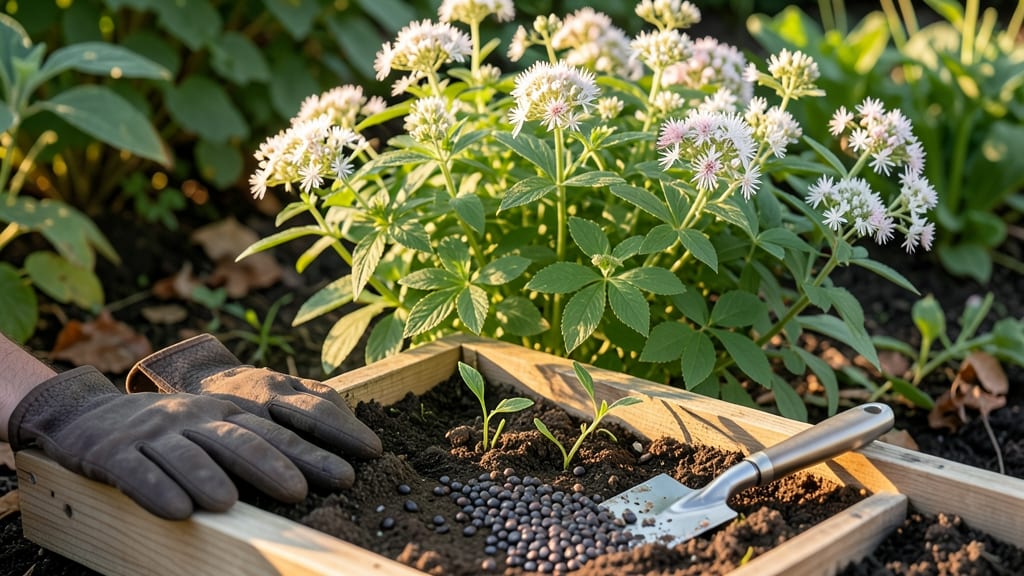
Planting buckwheat in Georgia at the wrong time can mean the difference between a thriving cover crop and a failed harvest. This fast-growing plant 🌾 needs precise timing to take advantage of Georgia's warm soil, but many gardeners still get it wrong—especially when balancing frost risks and summer heat.
If you've ever watched your buckwheat struggle to germinate or bolt too quickly, you know how critical the right planting window is. The key lies in soil temperatures reaching at least 60°F, which typically happens in late March for spring plantings and late July for summer crops.
Missing this window can cost you weeks of growth.
What makes buckwheat timing even trickier in Georgia is the state's diverse climate zones—from the humid coastal areas to the drier Piedmont region. Each area has its own ideal planting schedule, and getting it right means faster germination, better yields, and fewer headaches down the road.
I'll show you exactly when to plant buckwheat in your specific part of Georgia, how to track soil conditions for perfect timing, and what to watch for to avoid common mistakes. Let's get your buckwheat off to the fast start it deserves.
Best planting times for buckwheat in Georgia by soil temperature
Buckwheat thrives in Georgia’s warm climate, but soil temperature is the critical factor for fast germination. Unlike cool-season crops, buckwheat needs soil temps of at least 50°F to sprout reliably.
In most of Georgia, this means waiting until late March to early April for spring plantings or late July to early August for summer cover crops.
For fastest germination, aim for 60°F+ soil. Use a soil thermometer to check depths of 2-4 inches—this is where seeds will be.
In North Georgia (USDA zones 7a-7b), wait until mid-April to avoid late frosts, while coastal areas (zones 8a-8b) can plant as early as late February if soil warms quickly.
Buckwheat’s 60-75 day growth cycle means missing the window by even a week can reduce yields. Spring plantings should finish before June heat stress sets in, while summer plantings need to establish before fall frosts arrive in October.
Timing also affects whether you’ll use buckwheat as a grain crop, cover crop, or pollinator attractor.
🌱
| Planting Window | Soil Temp Requirement | Georgia Regions | Key Considerations |
|---|---|---|---|
| Late March - Early April | 50°F+ (60°F+ ideal) | Coastal & Piedmont | Avoid frost; harvest by June |
| Mid-April | 60°F+ | North Georgia | Wait for stable warmth |
| Late July - Early August | 55°F+ | Statewide | Establish before fall rains |
| Early September (risky) | 60°F+ | Coastal only | Frost risk increases |
Buckwheat’s rapid growth makes it ideal for cover cropping between cash crops. In Georgia, many gardeners use it as a summer cover crop to prevent erosion and suppress weeds before fall planting. The golden-brown seed heads also attract pollinators, making it a dual-purpose crop.
For grain production, prioritize spring plantings in coastal areas where heat stress is less severe. Inland regions should focus on summer plantings to avoid bolting from extreme heat. Always choose certified organic seeds if growing for grain to prevent contamination.
One common mistake is planting too early in North Georgia. The Appalachian foothills can experience late frosts even in April. Check your local USDA frost map and add a 2-week buffer after the average last frost date for safety.
🌿
If you’re using buckwheat as a pollinator magnet, extend your planting window slightly later than grain-focused schedules. The nectar-rich flowers thrive in 80°F+ temperatures, so summer plantings often produce the most abundant blooms for bees and butterflies.
Pro tip: Plant buckwheat in wide rows (12-18 inches apart) for easier harvest. This spacing also improves air circulation, reducing the risk of powdery mildew in Georgia’s humid summers. Always rotate crops to prevent soil-borne diseases.
🪴
Best planting times for buckwheat in Georgia by soil temperature
Buckwheat thrives in Georgia’s warm climate, but soil temperature is the critical factor for successful germination. Aim to plant when soil reaches at least 50°F (10°C), with 60°F (15°C) being ideal for rapid sprouting.
In most of Georgia, this aligns with late March to early April for spring plantings and late July to early August for summer successions.
Georgia’s USDA zones 7a-8b create microclimates where timing varies slightly. Coastal areas like Savannah can plant 2-3 weeks earlier than North Georgia’s cooler zones. Always check your local frost dates—buckwheat is frost-sensitive and won’t tolerate temperatures below 32°F (0°C).
| Planting Window | Soil Temp Requirement | Key Consideration | Georgia Region |
|---|---|---|---|
| Late March - Early April | 50°F+ (10°C+) | Avoid frost risk; soil must be workable | Coastal/Piedmont |
| Mid-April - Early May | 55°F+ (13°C+) | North Georgia’s cooler soils need extra warmth | Mountain/North |
| Late July - Early August | 60°F+ (15°C+) | Summer succession for fall harvest | Statewide |
For spring plantings, prioritize after the last frost date (typically March 15 in most of Georgia). Use a soil thermometer to confirm readiness—buckwheat seeds won’t sprout below 50°F (10°C). In North Georgia, wait until soil reaches 55°F (13°C) to avoid slow germination.
Summer plantings should occur 60-75 days before your first frost (aim for September-October harvests). In coastal areas, you can extend this to late August due to milder autumns. Always space plantings 3-4 weeks apart for continuous cover crop benefits.
Watch for bolting (premature flowering) if planted too late in summer. Buckwheat matures quickly—60-75 days—so late July plantings ensure harvest before Georgia’s first frost (mid-November). Use shade cloth in extreme heat to prevent stress.
Pro tip: Direct-sow seeds at ½-inch depth in rows 12-18 inches apart. Thin seedlings to 6-8 inches apart once they’re 2-3 inches tall. This spacing maximizes sunlight penetration and reduces disease risk in Georgia’s humid summers.