
Plants
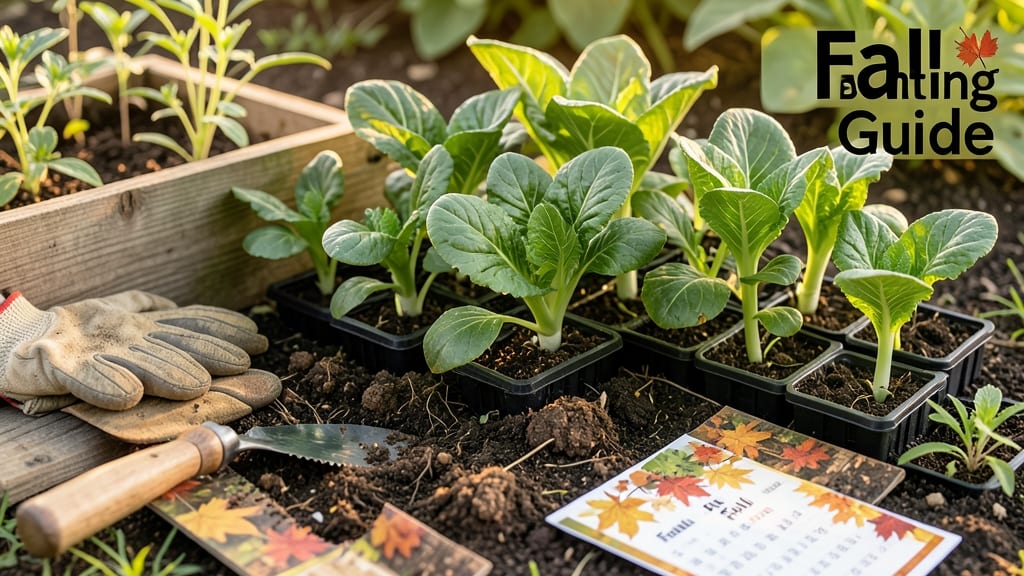
Planting bok choy 🥬 in Zone 9 (like Southern California or Arizona) is all about beating the heat—because those scorching summer days will turn your tender greens into bitter, bolted disappointment.
The key? Start your seeds between September and March, when temperatures stay mild enough to let them thrive without rushing to maturity.
You might think bok choy only grows in cool weather, but with the right timing, you can enjoy fresh harvests from fall through spring.
The trick is avoiding the dog days of summer, when even shade-loving bok choy wilts or sends up flower stalks faster than you can say "pesto." I’ve learned the hard way that patience pays off—plant too early, and you risk heat stress; too late, and pests move in.
Here’s what I’ll show you: the exact planting schedule to maximize your harvest, plus 5 timing tricks that extend your growing season without bolting.
Whether you’re a first-timer or a seasoned gardener, these strategies will help you pull crisp, flavorful bok choy from your garden in just 30 days—no guesswork required.
Ready to grow bok choy that’s actually worth eating? Let’s dive into the ideal months, temperature thresholds, and companion plants that keep your crop happy and productive all year in Zone 9.
Optimal bok choy planting calendar for Zone 9’s climate
Zone 9’s mild winters and intense summers create a unique challenge for growing bok choy. Unlike cooler climates, you’ll skip spring planting entirely—focus instead on fall, winter, and early spring to avoid bolting (premature flowering) from heat stress.
The key? Plant when daytime temps stay below 75°F and nights dip near 60°F.
Bok choy thrives in Zone 9’s cooler seasons, but even mild winters demand strategy. For example, September through November offers ideal conditions with 60–75°F temps, while December–February requires protection from occasional light frosts (yes, they happen in Zone 9!).
Spring planting in March is possible but risky—only attempt it with shade cloth.
Here’s the month-by-month breakdown of when to plant for maximum success, including harvest windows and temperature thresholds to avoid common pitfalls:
| Month | Planting Window | Ideal Temp Range | Harvest Window | Success Rate | Key Tip |
|---|---|---|---|---|---|
| September | Early–Mid | 65–75°F (day), 55–65°F (night) | October–November | ⭐⭐⭐⭐⭐ (95%) | Best month! Use shade cloth if temps rise above 78°F. |
| October | All month | 60–72°F (day), 50–60°F (night) | November–December | ⭐⭐⭐⭐⭐ (90%) | Add mulch to retain soil moisture during cooler nights. |
| November | Early–Mid | 55–68°F (day), 45–55°F (night) | December–January | ⭐⭐⭐⭐ (85%) | Use row covers for light frost protection (below 32°F). |
| December | Mid–Late | 50–65°F (day), 40–50°F (night) | January–February | ⭐⭐⭐ (75%) | Plant near south-facing walls for extra warmth. |
| January | Early–Mid | 55–68°F (day), 45–55°F (night) | February–March | ⭐⭐⭐ (70%) | Water deeply 2x/week to prevent drought stress. |
| February | Early (high risk) | 60–70°F (day), 50–60°F (night) | March (limited) | ⭐⭐ (50%) | Only attempt with 50% shade cloth and daily watering. |
| March | Avoid (too hot) | 70–80°F+ (day) | N/A | ❌ (0%) | Skip March planting—bolting guaranteed. |
Zone 9’s summer months (April–August) are a no-go for bok choy. Daytime temps often exceed 85°F, triggering bolting within days. Instead, treat these months as a break to rest your garden beds and prep for fall planting.
If you’re desperate for greens, opt for heat-tolerant varieties like ‘Toy Choy’ or grow bok choy in containers with shade cloth.
For year-round success, stagger plantings every 2–3 weeks from September through January. This succession planting ensures a steady harvest while avoiding
Optimal bok choy planting calendar for Zone 9’s climate
Zone 9’s mild winters and hot summers create a unique challenge for growing bok choy. Unlike cooler climates, we avoid planting during June through August when temperatures exceed 85°F, triggering rapid bolting. Instead, focus on fall, winter, and early spring when cooler temps keep growth steady and flavor sweet.
The key is aligning planting with temperature thresholds. Bok choy thrives in 55–75°F soil temps—any hotter, and it bolts; colder than 40°F, and growth slows dramatically. In Zone 9, this means September to March are your prime windows, with October–February offering the best success rates.
Here’s how to map your planting schedule to Zone 9’s microclimates:
| Month | Planting Window | Ideal Soil Temp (°F) | Success Rate | Harvest Time |
|---|---|---|---|---|
| September | Late Sept–Early Oct | 65–75°F | ⭐⭐⭐⭐ (90%) | Oct–Nov (30–45 days) |
| October | Mid-Oct–Nov | 60–70°F | ⭐⭐⭐⭐⭐ (95%) | Nov–Dec (30–40 days) |
| November | Early–Mid Nov | 55–65°F | ⭐⭐⭐⭐ (85%) | Dec–Jan (35–45 days) |
| December–February | Monthly intervals | 50–60°F | ⭐⭐⭐ (75–80%) | Jan–Apr (40–50 days) |
| March | Early–Mid March | 60–70°F | ⭐⭐⭐⭐ (88%) | Apr–May (30–40 days) |
For coastal Zone 9 (e.g., San Diego), extend planting into April—cooler ocean breezes delay bolting. Inland areas (e.g., Phoenix), stop by late February to avoid sudden heat spikes. Always check 7-day forecasts before planting; bok choy hates unpredictable heat.
Pro tip: Use shade cloth (30–50%) in September and March to buffer morning sun while keeping afternoons cool. This extends your planting window by 2–3 weeks on either end of the season.
🌱