
Plants
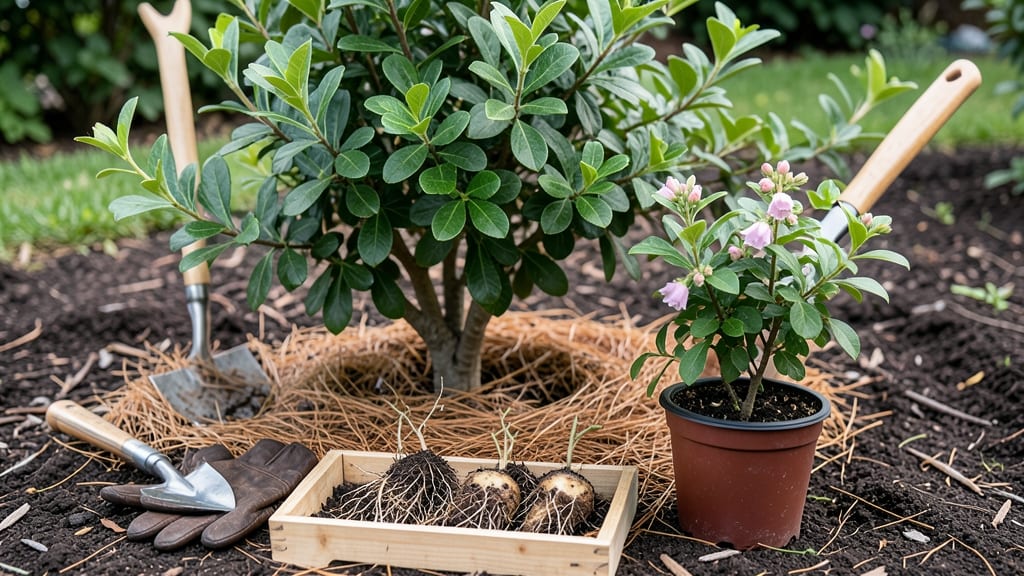
Planting your 🫐 blueberries in South Carolina at the wrong time could mean watching them struggle—or worse, die—before they even get a chance to thrive.
The key to success lies in understanding your local frost dates and heat zones, because a single late frost can turn your carefully chosen sapling into a frozen mess.
Most gardeners in zones 7b-9a swear by fall planting, but timing matters just as much as technique. Whether you're in Charleston or Greenville, the 30-day window between October and November gives roots time to establish before winter sets in.
But if you miss that, don't panic—spring planting still works, as long as you get those bare-root bushes in the ground by early March.
Here's the real game-changer: Southern Highbush varieties like 'Premier' or Rabbiteye types such as 'Powderblue' handle SC's humidity and heat better than most, but they still need the right start.
I'll show you exactly how to read your local frost calendar, adjust for microclimates, and pick the perfect moment to plant—so you're not left with a sad, frostbitten bush come spring.
Ready to grow blueberries that produce pounds of fruit instead of just leaves? Let's break down the science behind SC's planting windows, so you can time it perfectly—and enjoy that first harvest in May or June.
South Carolina heat zones & best planting months for blueberries
South Carolina’s climate—spanning USDA zones 7b through 9a—creates unique challenges and opportunities for blueberry growers. The ideal planting window depends on your specific zone, as well as local frost patterns and soil temperatures.
In cooler zones like 7b-8a, fall planting is often preferred, while warmer zones like 8b-9a can extend spring planting into early April.
Blueberries thrive when planted during their dormant season, which aligns with cooler temperatures and moist soil. This typically means October through November for fall planting or February through early March for spring planting.
The key is to avoid planting when the ground is frozen or during extreme heat, as both conditions stress young roots.
Here’s how your USDA zone affects timing: - Zone 7b (Upstate SC): Plant in October or early November to allow roots to establish before winter. - Zone 8a (Midlands SC): October-November or February-March work well, but avoid late fall if early frosts are likely. - Zone 8b-9a (Coastal SC): Late October through March is flexible, but spring planting can extend into early April.
Soil temperature is another critical factor. Blueberries need soil temps above 40°F (4°C) for root growth. In Upstate SC (Zone 7b), soil may still be too cold for spring planting after mid-March. Use a soil thermometer to check—plant when temps consistently stay above 50°F (10°C).
Microclimates also play a role. Coastal areas like Charleston may have warmer winters, allowing later fall planting, while Upstate regions like Greenville face earlier frosts, requiring earlier fall planting. Observe your local last frost date (typically mid-March) and plant 6-8 weeks before to give roots time to establish.
If you’re unsure about your exact zone, use the USDA Plant Hardiness Zone Map or check with your local Cooperative Extension Service. They provide hyper-local frost data and can recommend zone-specific varieties that thrive in your area.
| USDA Zone | Best Planting Months | Soil Temp Requirement | Key Consideration |
|---|---|---|---|
| 7b (Upstate) | October–November | Above 40°F (4°C) | Early frost risk; plant before Nov 15 |
| 8a (Midlands) | October–November or February–March | Above 45°F (7°C) | Flexible; avoid late March heatwaves |
| 8b–9a (Coastal) | October–March (extended) | Above 50°F (10°C) | Warmer winters; spring planting to April |
For bare-root plants, fall planting is ideal because the roots establish before dormancy, giving you a head start in spring. If you opt for container-grown blueberries, spring planting works well, as the established root ball reduces transplant shock.
Just ensure the soil is workable—not soggy or frozen—and amend it with peat moss or pine fines to maintain acidic pH (4.5–5.5).
Pro tip: If you miss the ideal window, container planting can extend your flexibility. Plant in pots filled with well-draining, acidic mix and move them to the ground after the last frost. This works especially well for warmer zones like 8b-9a, where spring planting can stretch into early April.
Remember, blueberries are not frost-tolerant as young plants. A late frost after planting can kill tender new growth. Always monitor local weather forecasts and consider using row covers if early frosts are predicted. With the right timing, your blueberry bushes will reward you with years of delicious harvests.
🌱
How to time blueberry planting around SC’s frost dates
South Carolina’s frost dates are your blueberry planting clock. In most areas, the last frost hits around mid-March, while the first frost arrives in mid-November. These dates create a 6-week window for planting, but timing depends on whether you’re planting bare-root or container-grown blueberries.
For bare-root blueberries, aim for late fall (October-November). This gives roots time to establish before winter dormancy, while avoiding the stress of freezing soil. In contrast, container-grown blueberries can handle early spring (February-March) planting, as long as the ground isn’t frozen.
🌱Pro Tip: Check your local USDA zone (7b-8b)—cooler zones (like Upstate SC) have later last frosts, while warmer zones (like Charleston) may see earlier first frosts. Adjust your planting 2 weeks earlier or later based on your microclimate.
If you’re unsure about your local frost dates, use the National Weather Service’s frost predictor or ask your local Cooperative Extension Service. They provide hyperlocal data that can save your blueberries from frost-related failure.
For example, Greenville (Zone 7b) typically has a later last frost than Myrtle Beach (Zone 8a).
Another key factor is soil temperature. Blueberry roots need soil temps above 40°F (4°C) to thrive. In Upstate SC, soil may stay cold until April, while Coastal SC can plant as early as February. Use a soil thermometer to confirm readiness—this simple tool prevents costly mistakes.
Finally, consider container planting if your frost dates are unpredictable. Potted blueberries give you flexibility to move plants indoors during unexpected cold snaps. Just ensure your containers have drainage holes and use acidic potting mix to mimic ideal soil conditions.
By aligning your planting with SC’s frost triggers, you’ll give your blueberries the best start—whether you’re in Charleston’s humidity or Greenville’s cooler nights. 🌡️