
Plants
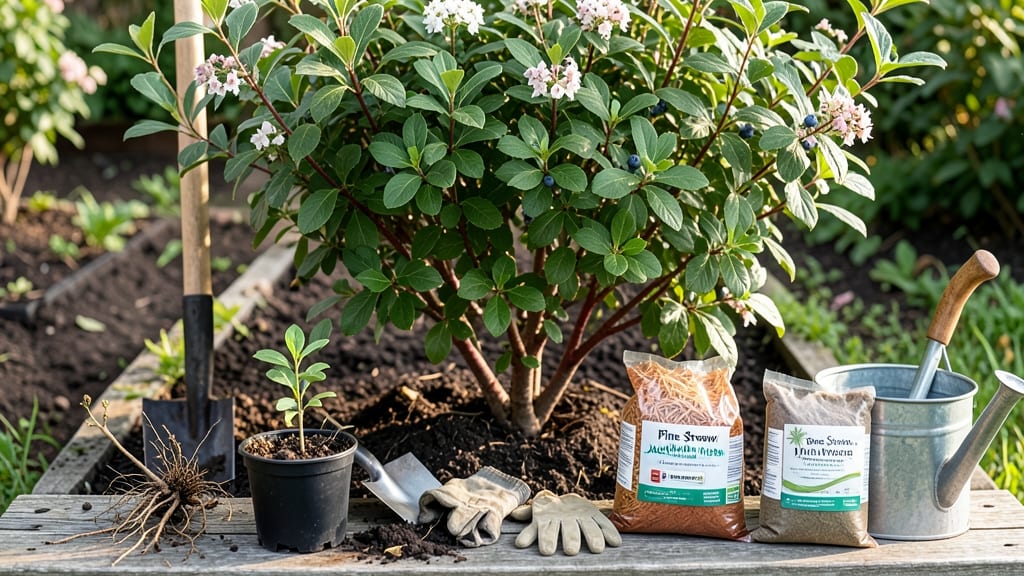
Planting blueberries 🫐 in Mississippi isn’t just about timing—it’s about beating the heat while giving your bushes the best shot at survival. The late winter to early spring window (February–March) is your golden opportunity, but miss it, and you risk weak roots or heat stress before harvest season.
Why does this matter? Mississippi’s 8a-9a climate means your blueberries face a double challenge: scorching summers and unpredictable late frosts. The right planting schedule ensures your bushes establish strong roots before the heat sets in, setting you up for a bountiful harvest by May or June.
I’ll walk you through the exact steps to time your planting—whether you’re working with bare-root plants or container-grown bushes—and how to prep your soil for success. No guesswork, just proven techniques tailored to Mississippi’s unique growing conditions.
Ready to turn your backyard into a blueberry patch? Let’s get started with the perfect planting schedule for thriving bushes that’ll reward you with juicy berries for years.
Best planting windows for Mississippi blueberries: month-by-month heat-Zone guide
Mississippi’s humid subtropical climate creates a unique challenge for blueberry growers—timing your planting window wrong can mean the difference between thriving bushes and struggling seedlings. The key is planting when soil temperatures are cooler than air temperatures (typically 50°F/10°C), reducing heat stress while avoiding late frosts.
For Mississippi’s USDA zones 7b-8a, this means focusing on late winter to early spring.
Blueberries are dormant in winter but begin root growth as temperatures rise. Planting too early (before February) risks exposing roots to freezing temperatures, while waiting too long (after April) may delay establishment before summer’s heat arrives.
The ideal window is between February 15 and March 15, aligning with Mississippi’s last average frost date of March 15.
Regional adjustments matter in Mississippi. The Gulf Coast (Zone 8a) can plant slightly later (up to March 30) due to milder winters, while the Delta (Zone 7b) should plant by March 1 to avoid late frosts. Container-grown blueberries offer flexibility—they can be planted up to May, but bare-root plants require the earlier window.
📅 Mississippi Blueberry Planting Timeline
| Stage | Action | Notes |
|---|---|---|
| Late Winter (Feb) | Prepare soil (pH 4.5-5.5) | Test soil 2 weeks before planting |
| Early Spring (Mar) | Plant bare-root or container bushes | Avoid frost dates; mulch heavily |
| Spring (Apr) | Fertilize with acidic feed | Use 10-10-10 NPK; water deeply |
| Summer (May-Jun) | Monitor for pests/disease | Prune dead branches; mulch |
| Fall (Oct-Nov) | Prepare for winter dormancy | Add organic mulch; avoid heavy fertilization |
Mississippi’s soil temperature is the most critical factor. Blueberry roots thrive when soil is between 40°F and 60°F (4°C-15°C). Use a soil thermometer to check—plant when temperatures consistently stay above 50°F (10°C) for 3+ days.
In Zone 7b (Delta), this often means waiting until mid-March, while Zone 8a (Gulf Coast) can start as early as February 20.
Bare-root blueberries must be planted immediately after purchase to prevent root desiccation. Soak roots in water for 2-4 hours before planting, then bury them 2 inches deeper than they were in the nursery.
Container-grown plants can handle delayed planting but require extra watering during establishment. Always plant on a cloudy day or in late afternoon to reduce transplant shock.
Mississippi’s humidity and summer heat demand immediate aftercare. After planting, water deeply to settle soil, then maintain 1-2 inches of mulch around the base to retain moisture.
Avoid overhead watering to prevent fungal diseases like botrytis, which thrive in Mississippi’s damp climate. Drip irrigation is ideal for consistent moisture without wetting foliage.
Late frosts can still occur in March, especially in northern Mississippi (Zone 7b). Protect young plants with frost cloth or a lightweight row cover if temperatures dip below 28°F (-2°C).
Blueberries are semi-hardy but may suffer bud damage if exposed too early. Monitor local frost forecasts and have covers ready—even a single night below 30°F (-1°C) can set back growth.
Mississippi’s two main blueberry types—Southern Highbush and Rabbiteye—have slightly different planting needs. Southern Highbush (e.g., 'Climax') thrives in Zone 7b-8a and should be planted in early March, while Rabbiteye (e.g., 'Powderblue') is more heat-tolerant and can handle April planting in Zone 8a.
Choose varieties based on your microclimate—Gulf Coast growers favor Southern Highbush, while Delta gardeners often opt for Rabbiteye.
For container gardening, Mississippi’s short frost-free season (about 210 days) makes potted blueberries a practical choice. Plant in large containers (15+ gallons) with well-draining mix and move them to a protected location during winter.
Container-grown bushes can be planted throughout spring (up to May) since they’re less affected by soil temperature fluctuations. Just ensure containers have drainage holes to prevent root rot—a common issue in Mississippi’s clay-heavy soils.
Local Mississippi Extension offices and nurseries
How to prepare Mississippi soil for blueberry planting: pH, amendments, and drainage fixes
Mississippi’s clay-heavy soils and naturally high pH (often 6.5–7.5) create the perfect storm for struggling blueberry bushes. These acid-loving plants thrive only when soil pH sits between 4.5 and 5.5, a range Mississippi’s native soil rarely meets without intervention.
Without proper prep, your $50 investment in blueberry plants could wilt before bearing fruit.
Start your soil prep 8–12 weeks before planting to allow amendments time to adjust pH and improve drainage. Test your soil using a home pH kit (available at garden centers for ~$10) or send a sample to the Mississippi State University Extension Service for professional analysis.
This step alone prevents costly mistakes like root burn or nutrient lockout.
For pH adjustment, elemental sulfur is your best bet—it’s slow-acting but reliable. Apply 2–4 pounds per 100 square feet for every 1.0 pH unit you need to drop.
Work it into the top 12 inches of soil and water thoroughly. Peat moss (1 part peat to 2 parts soil) also helps lower pH while improving texture, but avoid fresh sawdust, which can rob nitrogen.
🌱 Critical Warning: Over-Acidifying Soil
Applying too much sulfur or aluminum sulfate can create a toxic environment for roots. Test soil 4–6 weeks after amending to verify pH—aim for 4.8 (the sweet spot for Mississippi’s heat). If pH drops below 4.5, mix in lime (yes, lime raises pH for acidic plants!) to bring it back up.
Drainage is equally critical in Mississippi’s heavy clay soils. Blueberries hate soggy roots, which lead to root rot in the state’s humid summers. Amend your planting area with coarse sand or perlite (1 part amendment to 3 parts soil) to create air pockets.
For raised beds, use a 50/50 mix of native soil and compost, which improves structure while retaining moisture without suffocating roots.
Mulch your blueberries with 3–4 inches of pine straw or wood chips to maintain soil acidity and suppress weeds. Avoid cedar mulch, which can inhibit root growth. Replenish mulch annually in late winter to protect roots from temperature swings and conserve moisture during Mississippi’s hot, dry spells.
Pro tip: Plant blueberries in raised beds or mounds if your yard has poor drainage. Elevate the soil 6–12 inches above grade to prevent waterlogging. Pair this with a drip irrigation system to deliver water directly to roots—Mississippi’s intense afternoon sun can evaporate surface moisture before it’s absorbed.
With the right soil prep, your blueberry bushes will establish roots quickly and reward you with fruit in 2–3 years—not the 5+ years many Mississippi gardeners experience when skipping these steps. 🌱