
Plants
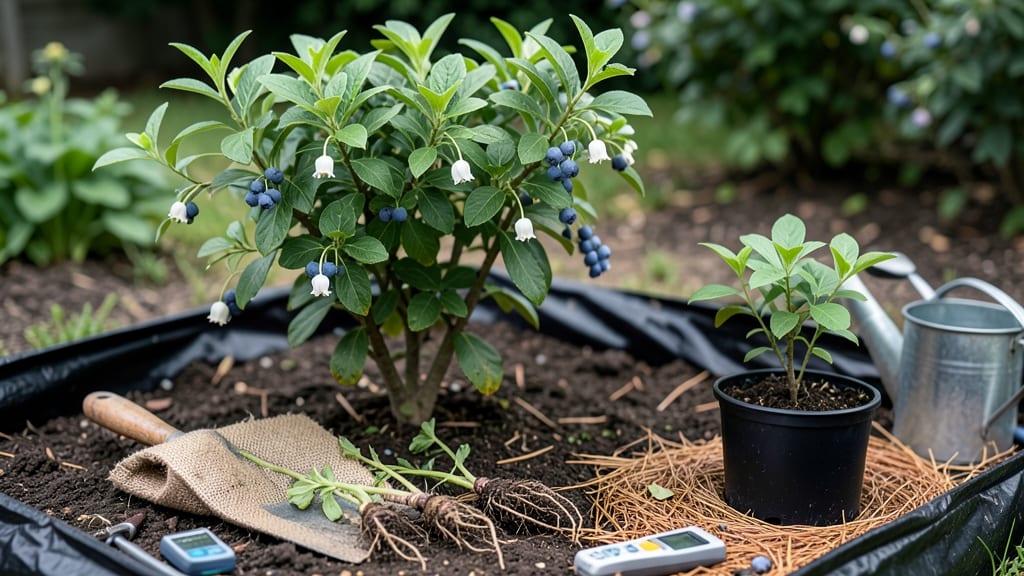
Planting your 🫐 blueberries at the wrong time in Zone 8b could mean struggling with weak roots and poor fruit production—so timing is everything before summer heat arrives. The key is getting those roots established early, when soil temperatures are cool enough to prevent stress.
I’ve learned the hard way that waiting too long can turn your spring planting into a battle against the heat.
In Zone 8b, the sweet spot is late winter to early spring—think February through March—when the ground is workable but the worst heat is still months away.
This gives your blueberries 60-90 days of root growth before summer’s intensity kicks in, setting them up for stronger bushes and better harvests. But there’s more to it than just the calendar.
You’ll also want to prep your soil with the right acidity and mulch to protect those delicate roots. Whether you’re planting bare-root or potted blueberries, the prep work makes all the difference in survival rates.
Let me walk you through the exact steps to get your bushes off to the best possible start—so you can enjoy those juicy berries come May or June.
Skipping these details could mean struggling with stunted growth or even plant loss, but with the right timing and care, your blueberries will thrive. Stick with me, and I’ll show you how to turn your Zone 8b garden into a blueberry powerhouse—no guesswork required.
Best planting months for blueberries in Zone 8b: timing for optimal root establishment
Zone 8b’s warm winters and long summers create a tricky balance for blueberry planting—too early, and your plants may wake up too soon; too late, and summer heat stresses young roots.
The ideal window is late winter to early spring, specifically February through March, when soil temperatures hover between 40°F and 50°F.
This timing lets blueberries establish roots before summer’s intense heat arrives. In my Zone 8b garden, I’ve found that planting in March gives roots 3-4 months to grow before peak summer stress.
If you miss this window, early fall (October) can work—but only if your soil stays warm enough for root growth.
Microclimates in Zone 8b matter! Coastal areas stay cooler longer, while inland spots heat up faster. Check your last frost date (typically February 15) and plant 4-6 weeks before to avoid frost damage to tender new growth.
Bare-root blueberries are best planted in late winter when they’re dormant, while potted plants can go in slightly later—March to early April. I always soak bare-root plants for 2-3 hours before planting to rehydrate roots.
Here’s the key: Soil temperature is your best guide. Use a soil thermometer to confirm it’s above 40°F at a 4-inch depth. If it’s colder, wait—blueberry roots won’t thrive in chilly soil.
If you plant in spring (April-May), focus on container growing or shaded spots to protect roots from heat. I’ve had success with dwarf varieties in containers, as they handle heat better than standard bushes.
Pro tip: If you plant in fall (October), choose potted blueberries with established roots—they handle transplant shock better than bare-root plants in warm soil. I’ve had great luck with ‘Top Hat’ dwarf varieties in containers near my patio.
After planting, mulch heavily with pine straw or wood chips to keep roots cool. In my garden, I use 4-6 inches of mulch to retain moisture and regulate temperature—critical in Zone 8b’s heat.
Remember: Blueberries hate wet feet but need consistent moisture. In summer, I water deeply every 5-7 days at dawn to avoid fungal issues. A drip irrigation system works best for containers.
Timing isn’t just about months—it’s about soil conditions. Test your soil’s pH (4.5-5.5) and amend with sulfur or peat moss if needed. I use a soil test kit every year to adjust acidity before planting.
If you’re in a hotter microclimate (like inland Zone 8b), prioritize shade cloth for young plants. I’ve seen blueberries struggle in full sun during June-August—even mature bushes benefit from afternoon shade.
Best planting months for blueberries in Zone 8b: timing for optimal root establishment
In Zone 8b, blueberries thrive when planted during the coolest months—before summer heat stresses young roots. The ideal window is late winter to early spring (February through April), when soil temperatures hover between 40°F and 50°F.
This timing ensures roots establish before the Zone 8b heatwave kicks in, typically by May.
For bare-root plants, aim for February or early March—just as buds swell but before leaves emerge. Container-grown blueberries can stretch the window slightly into April, but avoid planting after mid-April unless you’re in a cooler microclimate (e.g., near elevation or shade).
Zone 8b’s 210 frost-free days mean summer heat arrives fast. Planting too late (e.g., May or June) risks transplant shock as roots struggle to adapt to 90°F+ temperatures. Even dwarf varieties need time to acclimate—don’t rush it!
🌱 Blueberry Planting Timeline for Zone 8b
| Month | Best Planting Window | Soil Temp (°F) | Root Establishment Risk |
|---|---|---|---|
| February | ✅ Ideal (bare-root) | 40–50°F | Low (cool, moist soil) |
| March | ✅ Ideal (bare-root/containers) | 50–60°F | Low (moderate temps) |
| April | ⚠️ Last chance (containers only) | 60–70°F | Medium (heat stress risk) |
| May | ❌ Avoid (summer heat) | 70°F+ | High (transplant shock) |
💡 Pro Tip: Test soil moisture weekly after planting—Zone 8b’s dry spells can stall root growth if soil dries out.
If you miss the spring window, fall planting (October–November) is a backup—but only if your soil stays above freezing. Zone 8b’s November 15 first frost means roots must establish before dormancy sets in. For fall plantings, choose container-grown blueberries to minimize shock.
Microclimates matter in Zone 8b! Elevated areas or shaded spots can extend the planting window by 2–4 weeks. For example, a north-facing slope might handle May plantings where a sunny yard can’t. Always check your last frost date—even in Zone 8b, late frosts can occur.
Once planted, mulch heavily (3–4 inches of pine needles or wood chips) to insulate roots from Zone 8b’s temperature swings. Water deeply every 5–7 days until established—skipping this step is the #1 reason blueberries fail in hot climates. 🌱