
Plants
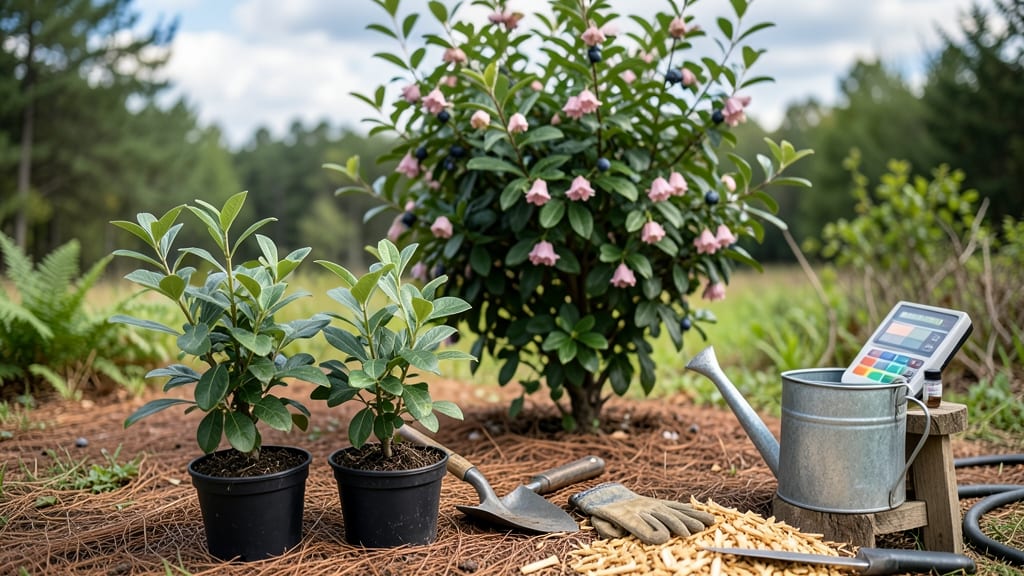
Timing your blueberry planting in Maryland could mean the difference between a bountiful harvest and years of waiting for those sweet 🫐 berries. The state’s 6a-7b climate demands precision—plant too early, and frost will nip your bushes; too late, and they won’t establish roots before summer heat arrives.
I’ve learned the hard way that Maryland’s late winter to early spring window (February through April) is your best bet for success. This period balances soil workability with the shrubs’ dormancy, giving them a head start before the growing season kicks in.
But here’s the catch: not all blueberry varieties thrive equally in our zones.
In this guide, I’ll break down exactly when to plant—whether you’re digging in-ground beds or tucking bushes into containers—plus how to tweak your approach for Maryland’s microclimates. You’ll also discover the one soil trick that makes or breaks blueberry growth here, so you can avoid costly mistakes.
Ready to turn your backyard into a blueberry powerhouse? Let’s get those bushes in the ground at the perfect moment for reliable harvests every July and August.
Best planting months in Maryland based on chill hours and variety
Maryland’s USDA zones 6a-7b mean your blueberry bushes need 500–1,000 chill hours to thrive. Planting at the wrong time can delay fruiting or even kill young plants. The best window is late winter to early spring, when the soil is workable but frost isn’t a daily threat.
For bare-root plants, aim for February to March—they establish roots quickly in cool soil. Container-grown blueberries can wait until April, giving you flexibility if early springs bring unexpected warmth. Always check your local last frost date (usually mid-April in Maryland) to avoid frost damage.
Northern varieties like ‘Bluecrop’ or ‘Patriot’ need 800–1,000 chill hours and do best in Maryland’s cooler northern regions. Southern varieties like ‘Southern Highbush’ thrive with 500–700 chill hours and suit warmer southern Maryland areas. Matching your variety to your microclimate is key to success.
🌱 Pro Tip: If you miss the spring window, fall planting (September–October) is possible, but young plants may struggle to establish roots before winter. Always mulch heavily to protect roots from freezing.
📅 Maryland Blueberry Planting Guide
| Variety Type | Chill Hours Needed | Best Planting Month | Soil Prep Tip |
|---|---|---|---|
| Northern Highbush (e.g., ‘Bluecrop’) | 800–1,000 hours | February–March | Amend soil with peat moss to lower pH |
| Southern Highbush (e.g., ‘Premier’) | 500–700 hours | March–April | Use sulfur to maintain acidic soil |
| Rabbiteye (e.g., ‘Climax’) | 700–900 hours | April (warmer regions) | Plant in well-draining raised beds |
💡 Note: Container-grown plants can be planted 1 month later than bare-root varieties.
If you’re planting multiple varieties, space them 3–5 feet apart to allow for cross-pollination. For example, pair ‘Bluecrop’ (northern) with ‘Chester’ (southern) to extend your harvest season. Just remember: early spring is your best bet for root establishment before summer’s heat arrives.
Maryland’s coastal areas (like Annapolis) may experience milder winters, so push planting to late March to avoid early frost. Inland areas (like Frederick) can plant as early as February, but always monitor soil temperatures—they should be above 40°F for safe planting.
🌿 Warning: Avoid planting in summer or fall—young blueberries struggle to adapt to heat stress or winter dormancy if not established properly. If you must plant later, use black plastic mulch to warm the soil in spring.
After planting, water deeply (1–2 gallons per plant) and apply 2–3 inches of mulch to retain moisture. In Maryland’s humid climate, mulch also helps prevent soil-borne diseases like root rot. Monitor your plants closely for the first two growing seasons—this is when they’re most vulnerable.
📅 Key Deadlines:
- Last chance for spring planting: Early April (before buds swell)
- Fall planting window: September 15–October 15 (only for established plants)
- Avoid planting after: October 31 (roots won’t harden before winter)
How to adjust planting time for Maryland’s microclimates
Maryland’s diverse geography means your blueberry planting timeline should vary based on where you live. The Baltimore urban heat island stays warmer than the Appalachian foothills, while coastal areas like Annapolis experience milder winters. Adjust your schedule to match your local microclimate for healthier plants and earlier harvests.
For Baltimore and urban areas, push planting back to late March or April to avoid late frosts that can damage tender roots. These areas often experience heat spikes in summer, so mulch heavily to retain moisture.
In contrast, Western Maryland’s cooler zones (like Garrett County) can handle February planting since frosts linger longer.
Coastal regions like Chesapeake Bay areas benefit from early March planting, thanks to their moderated temperatures. However, watch for salt spray near shorelines, which can stress young plants—rinse soil with fresh water if needed.
Always check your last frost date (typically mid-April in most of Maryland) before finalizing your schedule.
- Planting Window: Late March–April
- Soil Prep: Test pH (4.5–5.5) and amend with sulfur
- Frost Risk: High; use row covers if planting early
- Planting Window: February–early March
- Soil Prep: Add peat moss for acidity
- Frost Risk: Moderate; mulch with straw
- Planting Window: Early March
- Soil Prep: Flush soil with fresh water to remove salt
- Frost Risk: Low; monitor for windburn
If you’re in a transition zone (like Frederick County), split the difference: plant half your bushes in March and the rest in early April.
This hedges your bets against unpredictable frosts. For container-grown blueberries, you have more flexibility—plant them 1–2 weeks later than bare-root varieties to avoid transplant shock.
Protect young plants with frost cloth if temperatures dip below 25°F after planting. In high-elevation areas (like Cumberland), extend your planting window into May if early months are too cold.
Always choose varieties suited to your chill hours—northern types (like Bluecrop) thrive in cooler zones, while southern varieties (like Southern Highbush) handle heat better.
Finally, monitor your plants’ progress. If new growth appears pink or purple (a sign of cold stress), delay further planting until soil warms. With these adjustments, your blueberries will establish strong roots and reward you with years of bountiful harvests—no matter where in Maryland you garden. 🫐