
Plants
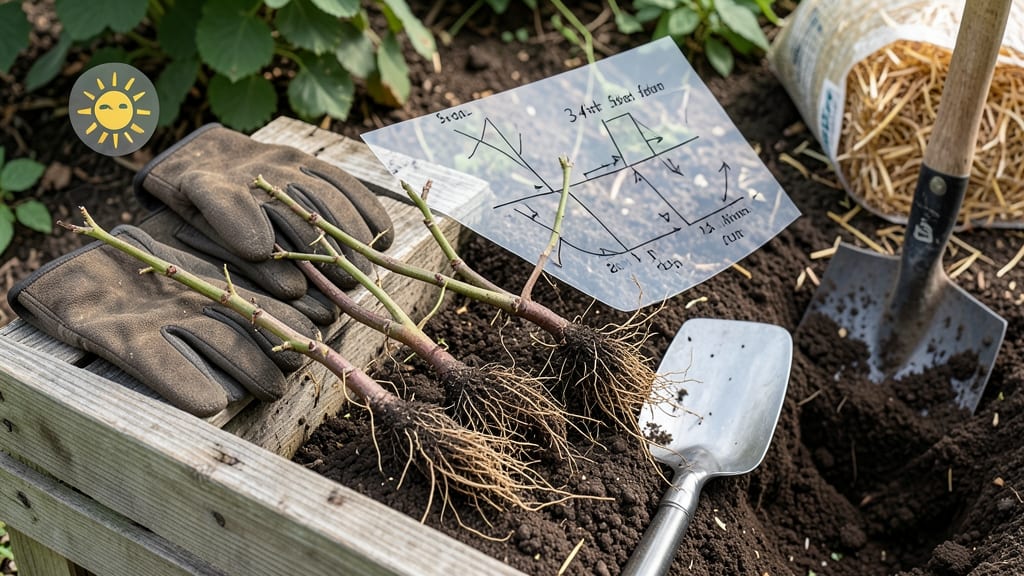
Planting blackberries at the wrong time in Alabama can mean the difference between a thriving 🫐 harvest and struggling vines that barely produce. The state’s unique mix of humidity and heat demands precise timing—especially when matching chill-hour needs to your specific variety.
Most gardeners in Alabama’s 7a-8b zones know the struggle: plant too early, and your blackberries face heat stress; too late, and they won’t establish strong roots before summer. But with the right schedule, you can avoid these pitfalls and set your plants up for success.
In this guide, I’ll break down the best planting windows for Alabama—whether you’re working with bare-root canes or potted plants—and how to adjust for your local microclimate. You’ll learn exactly when to plant for maximum yield, plus tips to protect your investment from Alabama’s unpredictable weather.
Ready to grow blackberries that thrive? Let’s get started with the timing that makes all the difference.
Best planting months in Alabama based on chill-hours and variety needs
Alabama’s USDA zones 7a-8b create a unique challenge for blackberry growers—too early, and your plants face heat stress; too late, and they struggle to establish roots before winter.
The key? Matching your blackberry variety to its chill-hour requirements and planting during the optimal window when soil temps are cool but not frozen.
Most Alabama gardeners succeed with late winter to early spring (February-March) or fall planting (September-October). Fall planting gives roots time to establish before winter, while spring planting avoids summer drought stress during establishment.
The best choice depends on your variety type—floricane (summer-bearing) vs. primocane (fall-bearing)—and your specific Alabama region.
North Alabama (cooler, higher chill hours) can plant earlier in spring (February-March) or later in fall (October). South Alabama (warmer, lower chill hours) should aim for March-April or September to avoid heat stress during root establishment. Always check your last frost date—typically mid-March in North Alabama and early March in South Alabama.
| Planting Window | Best For | Chill-Hours Needed | Alabama Region |
|---|---|---|---|
| Late Winter (Feb-Mar) | Floricane varieties | 500-1000+ hours | North Alabama |
| Early Spring (Mar-Apr) | Primocane varieties | 300-600 hours | South Alabama |
| Fall (Sep-Oct) | All varieties | Varies by type | Statewide |
| Avoid: Summer (Jun-Aug) | N/A | Heat stress risk | All regions |
For floricane varieties (like 'Arapaho'), aim for 500-1000 chill hours. These thrive in North Alabama when planted in February-March. In South Alabama, opt for primocane varieties (like 'Natchez') with 300-600 chill hours, planted in March-April.
Fall planting works statewide but requires 6-8 weeks before first frost (typically mid-November) for roots to establish.
Soil temperature is critical—ideal planting temps are 50-60°F. Use a soil thermometer to check before planting.
If temps are too warm, delay until conditions cool. Bare-root plants should be soaked in water for 2-4 hours before planting to rehydrate roots. Potted plants can be planted year-round but perform best in cooler months.
Pro tip: Mulch heavily (3-4 inches) after planting to retain moisture and regulate soil temperature. Use straw or wood chips—avoid grass clippings, which can mat and suffocate roots. Water deeply after planting and keep soil consistently moist (not soggy) for the first 6-8 weeks to encourage root growth.
If you’re in South Alabama’s warmer zones, consider shade cloth during the hottest part of summer to protect newly planted canes. Even a 30% shade cloth can reduce heat stress by 10-15°F.
For North Alabama, focus on winter protection—mulch with straw or leaves to insulate roots during cold snaps.
Remember: Primocane varieties (fall-bearing) produce fruit on new growth in the same year, while floricane varieties (summer-bearing) need dormancy to fruit. Choose based on your Alabama climate and harvest preferences. For example, 'Chester' (floricane) thrives in North Alabama but may struggle in South Alabama’s heat.
Timing isn’t just about months—it’s about microclimates. A urban backyard in Birmingham may have warmer microclimates than a rural area in Huntsville, affecting planting windows. Always observe your specific site conditions and adjust accordingly.
With the right timing, your blackberries will reward you with juicy, sweet berries for years to come! 🫐
How to adjust planting time for Alabama’s microclimates and soil conditions
Alabama’s varied climate—from the cooler Appalachian foothills to the steamy Gulf Coast—means one-size-fits-all planting advice won’t work. Urban gardens in Birmingham face different risks than rural plots in Mobile, and soil type plays a huge role in when and how you plant.
Let’s break down how to adapt your schedule for your specific conditions.
First, consider your local microclimate. Urban areas with heat-island effects (like Huntsville) may need earlier fall planting to avoid summer heat stress, while coastal regions (like Gulf Shores) can extend planting into late fall thanks to milder winters.
Always check your last frost date—North Alabama’s is mid-March, while South Alabama’s can be as late as early April.
Soil type is another critical factor. Sandy soils (common in Wiregrass region) drain too quickly, so plant in early fall to give roots time to establish before summer droughts. Clay-heavy soils (like those in the Black Belt) hold moisture longer, allowing for late winter planting—just ensure good drainage.
Test your soil’s pH (ideal: 5.5–6.5) before planting, as blackberries hate alkaline conditions.
- Heat Stress: Planting in late spring (April–May) can scorch bare roots before they establish.
- Fungal Diseases: Warm, humid Alabama summers (June–August) promote botrytis if canes aren’t hardened off.
- Poor Root Growth: Planting in waterlogged soils (common after winter rains) causes root rot.
For urban gardeners, containers or raised beds can extend your planting window. Potted blackberries in North Alabama can be moved to a sheltered spot in winter or under a cold frame to delay frost damage.
In South Alabama, shade cloth (30–50%) protects young plants from intense summer sun while they establish.
If you’re planting bare-root canes, do it on a cool, cloudy day (ideal: 50–60°F temps). For potted plants, spring planting works year-round in South Alabama, but North Alabama gardeners should wait until after last frost (mid-March).
Always water deeply after planting to encourage root spread—Alabama’s clay soils can bake hard if left dry.
Pro tip: Mulch heavily (3–4 inches) with wood chips or leaves to insulate roots in winter and retain moisture in summer. This single step can extend your planting window by 2–4 weeks on either end of the season.
Adjust your schedule based on these factors, and your blackberries will thrive year after year.