
Plants
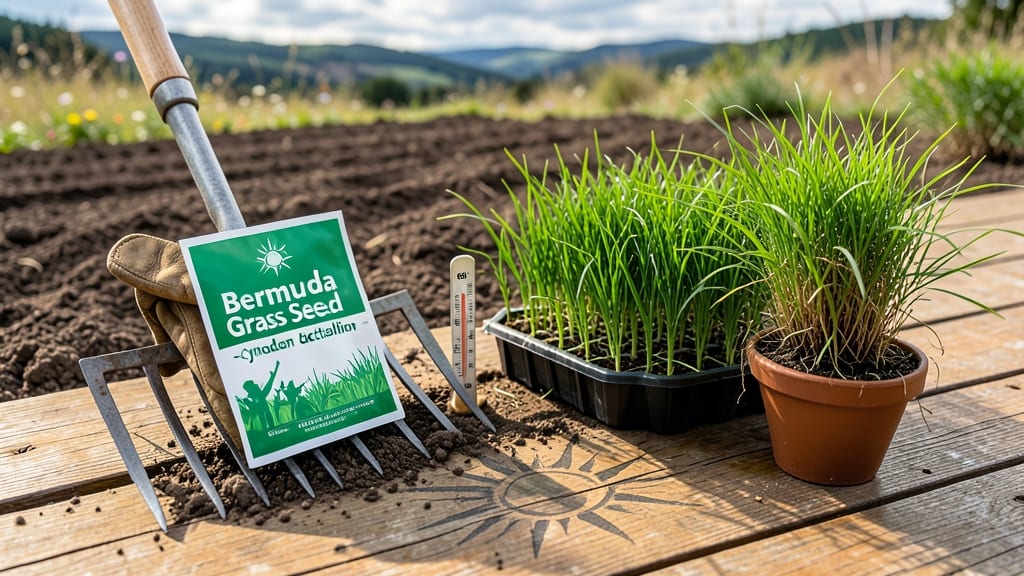
Planting Bermuda grass seed in North Carolina at the wrong time can mean watching your hard work melt away with the first frost—or struggle under scorching summer heat.
The key to a thriving lawn lies in understanding when to plant Bermuda grass seed in your specific region, where soil temperatures and frost-free deadlines make all the difference.
Most gardeners in zones 6a-8b have two prime windows: late spring (May) or early fall (August-September). But here's the catch—coastal areas like Wilmington can plant a week earlier than inland Raleigh, thanks to milder winters.
Waiting until soil hits 65°F+ ensures your seed doesn’t just sit there waiting for summer to arrive.
I’ve learned the hard way that rushing too early (March or April) risks frost damage, while waiting too late (July) means battling heat stress.
The sweet spot? Late April-Early June or Early August-September, when temperatures cooperate and your lawn has the best shot at taking root before winter sets in.
Let’s break down exactly how to time it right for your corner of NC—plus the soil prep tricks that’ll give your Bermuda grass the head start it needs to outlast the heat and drought.
Best planting windows for NC Bermuda grass seed by region
North Carolina's diverse climate—from the humid coastal plains to the cooler mountain regions—means Bermuda grass seed planting times vary dramatically. To maximize germination success, align your schedule with soil temperatures and frost-free deadlines specific to your area.
Coastal regions like Wilmington enjoy longer growing seasons, while the mountains near Asheville face shorter windows.
For optimal germination, Bermuda grass seed thrives when soil temperatures reach 75-85°F. In NC, this typically occurs in late April to early June for spring plantings and early August to early September for fall.
However, coastal areas can start as early as mid-March, while mountain regions may delay until late May.
Here’s how to time your planting by NC region—because a 10-day difference can mean the difference between a lush lawn and wasted seed:
| Region | Spring Planting Window | Fall Planting Window | Ideal Soil Temp (°F) | Key Consideration |
|---|---|---|---|---|
| Coastal (e.g., Wilmington, Morehead City) | Mid-March to April 30 | July 15 to Aug 15 | 75-85°F | Higher humidity; watch for fungal risks |
| Piedmont (e.g., Raleigh, Charlotte) | Late April to May 15 | Early Aug to Sept 1 | 75-85°F | Moderate climate; ideal for beginners |
| Mountains (e.g., Asheville, Boone) | Late May to June 10 | Aug 15 to Sept 10 | 70-80°F | Cooler nights; extend growing season with mulch |
⚠️ Pro Tip: Use a soil thermometer to confirm temps before planting—don’t guess!
Spring plantings give Bermuda grass 6-8 weeks to establish roots before summer heat sets in. Fall plantings, however, allow seeds to germinate in warm soil while avoiding the intense heat of July and August.
In NC’s Piedmont region, for example, planting in late April ensures seeds sprout before the first week of May when temperatures consistently exceed 80°F.
Regional variations also affect watering needs. Coastal areas may require daily watering during germination due to higher evaporation, while mountain regions can stretch watering to every other day thanks to cooler, moister air.
Always water early morning to prevent fungal diseases like brown patch, which thrives in humid NC summers.
One common mistake? Planting too early in March and risking frost damage. Bermuda grass seed won’t germinate below 60°F, and even a light frost can kill young seedlings. Use your local extension office’s frost dates (like NC State’s Climate Tool) to plan safely.
For example, Asheville’s last frost averages April 15, while Wilmington’s is March 1.
For fall plantings, aim to finish by September 1 in most of NC. This gives seedlings time to develop roots before first frost, which typically hits November 15 in the Piedmont and October 15 in the mountains.
Coastal areas can push planting slightly later, but avoid seeding after September 15 to prevent weak growth before winter.
If you’re in USDA Zone 7b or cooler (like the mountains), consider warm-season grass mixes that include Bermuda grass alongside Zoysia or Centipede for better cold tolerance. These blends can extend your planting window by 2-3 weeks in early spring or late fall.
Remember: Soil temperature matters more than air temperature. A 70°F day with 60°F soil won’t germinate Bermuda grass—always check 2 inches deep where seeds will be planted. Use a soil thermometer (available for $10-$15 at garden centers) to avoid costly mistakes.
🌱
Best planting windows for NC Bermuda grass seed by region
North Carolina’s diverse climate means Bermuda grass seed planting times vary dramatically from the Coastal Plain to the Mountains. In Zone 7a (Mountains), wait until late May—frost lingers longer here.
Meanwhile, Zone 8b (Coastal) can start as early as mid-April when soil warms. The key? Soil temps must hit 75-85°F for germination.
For spring planting, aim for late April to early June—this gives seedlings time to establish before summer’s brutal heat. Fall planting (early August to early September) works too, but avoid late August when hurricane season can disrupt growth. Coastal areas have a longer window due to milder winters.
Here’s how NC’s three regions break down for Bermuda grass seed success:
| Region | Last Frost Date | Ideal Planting Window | Soil Temp for Germination | Key Risk |
|---|---|---|---|---|
| Coastal Plain (Zone 8a-8b) | March 1-15 | Mid-April to early June | 75-85°F | Hurricane damage |
| Piedmont (Zone 7a-7b) | March 15-30 | Late April to early June | 75-85°F | Late frosts |
| Mountains (Zone 6a-7a) | April 1-15 | Late May to early June | 75-85°F | Short growing season |
Pro tip: Use a soil thermometer to confirm 75°F+ before planting. Coastal gardeners can push fall planting to early September, but inland areas should stop by mid-August to avoid early frosts. Bermuda grass thrives on heat, so summer planting is a no-go—it’ll struggle to establish.
If you’re in Zone 7b or warmer, consider sod instead of seed for faster coverage. Sod establishes in 2-3 weeks vs. 4-6 weeks for seed. But for seed lovers, late spring is your best bet—just don’t wait past June 1 in most of NC.
For fall planting, prioritize early August in the Piedmont and Coastal regions. Mountain areas should skip fall planting entirely—their shorter frost-free season leaves no room for error. Always check your local USDA zone for precise deadlines.
Remember: Bermuda grass is aggressive and heat-loving. If you plant too late, it’ll brown out before establishing. But nail the timing, and you’ll have a dense, drought-resistant lawn by next summer. 🌱